


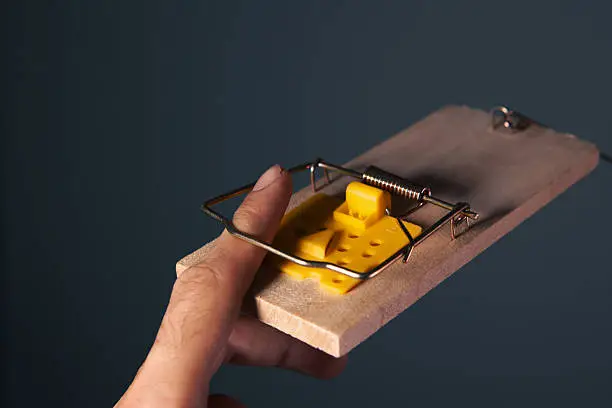
Building a mousetrap is a simple and practical project that helps you learn about basic mechanics and problem-solving. Whether you want to catch mice humanely or design a mousetrap for a school science project, the process teaches creativity, patience, and precision. You can make a mousetrap using common household materials or by combining simple tools with recycled items. The goal is to design a trap that safely catches the mouse without harming it and allows you to release it later if desired. Here’s how to build a mousetrap.
- Decide on the Type of Mousetrap
Before you start, choose the kind of trap you want to build. There are two main types: humane traps and lethal traps. Humane traps catch mice alive so you can release them outdoors, while lethal traps are designed to kill instantly. For home or school projects, it’s best to make a humane trap because it’s safe and environmentally friendly. The most common humane designs include bottle traps, box traps, and bucket traps. Choose the one that best suits your space and materials. - Gather the Materials
The items you need depend on your chosen design. For a simple humane mousetrap, you can use a plastic bottle, a cardboard box, or a small bucket. You will also need a stick, string, or spoon to create a trigger mechanism. Peanut butter, cheese, or small bits of bread make excellent bait to attract the mouse. Scissors or a craft knife will help you cut holes and shape the trap. If you are using recycled materials, make sure they are clean and dry before starting. - Build a Simple Bottle Trap
A bottle trap is one of the easiest and most effective designs. Start with an empty plastic bottle, preferably one with a narrow neck like a water or soda bottle. Cut the top third of the bottle off and insert it backward into the bottom part, forming a funnel shape. Tape the two parts together tightly so the mouse cannot escape. Place some bait at the bottom of the bottle and set the trap along a wall or near areas where mice are active. Once the mouse enters to get the food, it will slide through the funnel and be unable to climb back out. - Make a Bucket Trap
If you have a larger mouse problem, a bucket trap works well. You will need a medium-sized bucket, a long stick or wire, and an empty can. Punch holes through the sides of the can and slide the wire through it so the can spins freely. Place the wire across the top of the bucket so the can rests in the middle. Spread peanut butter on the can to attract the mouse. Lean a small plank or ruler against the bucket to act as a ramp. When the mouse walks across the can to reach the bait, it spins and the mouse falls into the bucket. You can release it safely afterward. - Build a Cardboard Box Trap
For a lightweight and reusable design, a box trap is also effective. Use a small cardboard box and a pencil or stick to hold one end slightly open. Tie a string to the stick so that pulling the string will cause the box to fall. Place bait under the box and wait for the mouse to enter. Once the mouse goes inside, gently pull the string to close the box and trap it inside. This design is simple, safe, and ideal for indoor use. - Place and Monitor the Trap
Position the mousetrap where you have noticed mouse activity, such as near walls, behind furniture, or under the sink. Mice usually travel along walls and dark areas, so these are the best spots. Check the trap regularly to see if you’ve caught a mouse. Avoid handling the trap directly with bare hands because human scent can make mice cautious. - Release or Dispose of the Mouse Safely
If you used a humane trap, release the captured mouse far away from your home, preferably in a field or wooded area. Make sure it is released safely and that it has a chance to survive in the wild. Always clean the trap thoroughly before reusing it. If you used a lethal trap, dispose of the remains hygienically and disinfect the area to prevent disease.
Also Read: How To Braid Box Braids
Email your news TIPS to Editor@Kahawatungu.com — this is our only official communication channel
