


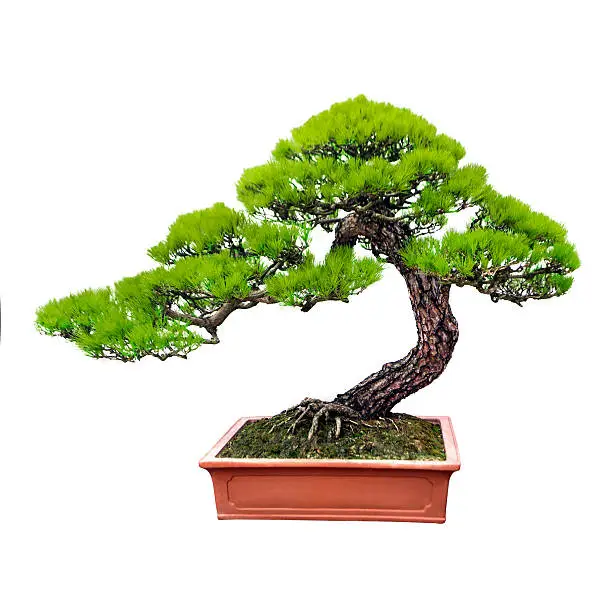
A bonsai tree is more than just a plant; it is a living piece of art that requires patience, attention, and love. Caring for a bonsai tree may seem complicated at first, but once you understand its needs, it becomes an enjoyable and rewarding experience. Proper care ensures that your miniature tree remains healthy and continues to grow beautifully for many years.
- Choose the Right Location
The first step in caring for a bonsai tree is placing it in the right location. Most bonsai trees thrive in bright, natural light. If you have an indoor bonsai, place it near a window that receives plenty of sunlight during the day. Outdoor bonsai trees should be positioned where they can get at least six hours of sunlight daily. Avoid areas with extreme heat or cold, as sudden temperature changes can harm the plant.
- Water the Tree Properly
Watering is one of the most important parts of bonsai care. The amount of water your tree needs depends on the species, the size of the pot, and the environment. Check the soil regularly — if the top layer feels dry, it is time to water. Use a watering can with a fine nozzle and gently water until the soil is evenly moist. Avoid letting the roots sit in water, as this can cause root rot. Consistency is key; do not allow the soil to dry out completely.
- Prune and Trim Regularly
Pruning helps maintain the shape and size of your bonsai tree. Trim back new growth that appears outside the desired shape to keep the tree looking neat. Structural pruning, which involves removing thicker branches, should be done less often and usually during the growing season. Always use clean, sharp tools to avoid damaging the tree.
- Use the Right Soil and Fertilizer
Bonsai trees grow best in soil that drains well but still retains some moisture. Specialized bonsai soil mixes are available and provide the right balance of air and water for the roots. Feed your bonsai with a balanced fertilizer once or twice a month during the growing season. Avoid over-fertilizing, as it can burn the roots and damage the tree.
- Repot When Necessary
As your bonsai grows, its roots can outgrow the pot. Repotting every two to three years helps refresh the soil and prevent the roots from becoming crowded. Gently remove the tree from the pot, trim the roots, and place it back into fresh soil. This keeps your bonsai healthy and encourages new growth.
- Protect from Pests and Diseases
Bonsai trees can be affected by pests such as aphids, mites, or fungal infections. Regularly inspect your tree for signs of damage, yellowing leaves, or sticky residue. If pests are found, use an appropriate insecticidal spray or wipe the leaves gently with soapy water. Keeping your bonsai clean and in the right environment reduces the risk of disease.
Also Read: How To Cancel UNISA Application
Email your news TIPS to Editor@Kahawatungu.com — this is our only official communication channel
