

How to Change Gears

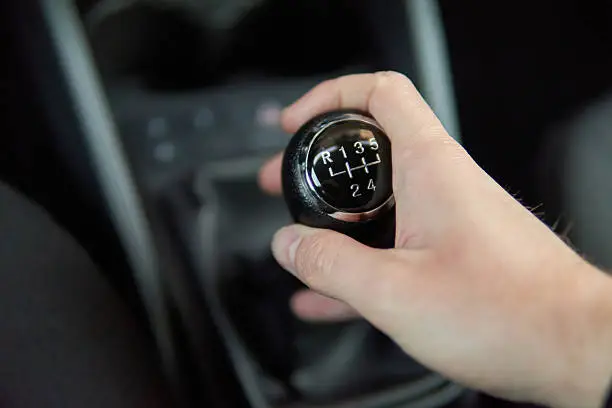
Knowing how to change gears is one of the most important skills when driving a manual transmission vehicle. Changing gears correctly allows the engine to operate efficiently, improves fuel economy, and provides a smoother driving experience. Although it may seem challenging at first, gear changing becomes easier with practice and good coordination between the clutch, accelerator, and gear lever. By understanding the correct technique, you can drive more confidently and reduce unnecessary wear on your vehicle.
-
Learn the Gear Pattern
Before driving, familiarise yourself with the gear layout of your vehicle.
Most manual cars have five or six forward gears and one reverse gear. The gear pattern is usually displayed on top of the gear lever.
- Learn the gear positions
- Identify reverse gear
- Practice moving the gear lever while parked
-
Press the Clutch Fully
Whenever you need to change gears, press the clutch pedal all the way to the floor.
This disconnects the engine from the transmission and allows you to move the gear lever smoothly without damaging the gearbox.
- Press the clutch completely
- Keep steady pressure on the pedal
- Avoid changing gears without the clutch
-
Select the Correct Gear
Move the gear lever into the gear that matches your speed and driving conditions.
Lower gears are used for starting and slow speeds, while higher gears are used as your speed increases.
- Use first gear to move off
- Shift to higher gears as speed increases
- Downshift when slowing down
-
Release the Clutch Smoothly
After selecting the new gear, slowly release the clutch while gently pressing the accelerator.
Releasing the clutch too quickly may cause the vehicle to jerk or stall, especially when moving off.
- Release the clutch gradually
- Apply gentle acceleration
- Maintain smooth vehicle movement
-
Practice Timing and Coordination
Good gear changing depends on coordinating the clutch, gear lever, and accelerator.
With regular practice, you will learn when to change gears by listening to the engine and observing the vehicle’s speed.
- Listen to the engine
- Practice regularly
- Build confidence through experience
Also Read: How to Cancel an IFA Debit Order

