

How to Check Ignition Coil With a Multimeter

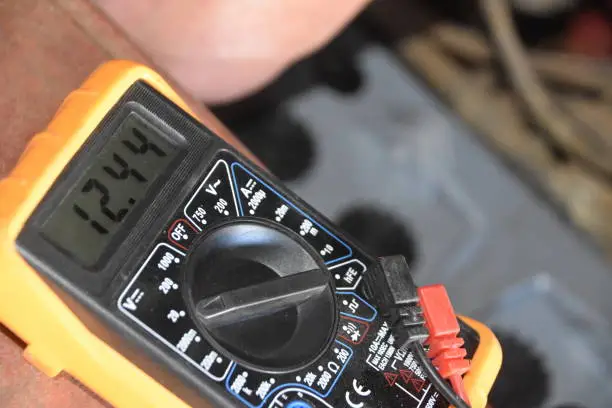
Knowing how to check an ignition coil with a multimeter can help you diagnose problems such as engine misfires, difficult starting, poor acceleration, or an engine that will not start. An ignition coil converts the vehicle’s low-voltage electrical supply into the high voltage needed to create a spark at the spark plug. A multimeter can help identify an open or shorted winding, although a normal resistance reading does not always prove that a coil is working correctly under operating conditions.
-
Switch Off the Engine and Locate the Coil
Park the vehicle safely, switch off the ignition, and allow the engine to cool.
Locate the ignition coil or coil pack. Depending on the vehicle, it may sit directly on the spark plug or be connected to the spark plugs through high-tension leads.
- Switch off the ignition
- Allow the engine to cool
- Locate the ignition coil
-
Disconnect the Ignition Coil
Disconnect the electrical connector from the coil before testing its resistance.
If your vehicle has a coil pack, identify the relevant terminals using the vehicle’s service information rather than guessing the terminal positions.
- Disconnect the electrical connector
- Remove the coil if necessary
- Keep the terminals clean
-
Set the Multimeter to Resistance
Turn the multimeter to the resistance setting, usually marked Ω.
Touch the two probes together first to make sure the meter is functioning correctly and note the reading.
- Select the Ω setting
- Check the meter leads
- Confirm the meter is working
-
Test the Primary Winding
Place the multimeter probes across the ignition coil’s primary terminals.
The correct resistance varies considerably between vehicle and coil designs, so compare your reading with the manufacturer’s specification for your particular vehicle.
A reading showing OL, infinity, or an open circuit where a resistance value should exist may indicate a broken winding.
- Test the primary terminals
- Record the resistance
- Compare it with the manufacturer’s specification
-
Test the Secondary Winding
Depending on the coil design, place the probes between the appropriate high-voltage terminal and primary terminal, or between the specified secondary terminals.
Some modern coil-on-plug systems do not expose the secondary winding in a way that can be accurately tested with a basic multimeter.
- Identify the correct terminals
- Measure the secondary resistance where applicable
- Compare the result with the manufacturer’s specification
-
Check for an Internal Short to Ground
Where the coil design and manufacturer specifications allow this test, check whether there is an unwanted electrical connection between the winding terminal and the coil body or ground.
An unexpected continuity reading can indicate an internal fault.
- Follow the manufacturer’s test procedure
- Check for unwanted continuity
- Replace a coil that fails the specified test
-
Interpret the Results Carefully
If the resistance readings are significantly outside the manufacturer’s specifications, the ignition coil may be faulty.
However, a coil can sometimes show normal resistance while failing under heat, load, or high-voltage conditions. Other components such as spark plugs, wiring, ignition modules, crankshaft sensors, or fuel-system components can produce similar symptoms.
- Compare readings with specifications
- Do not rely on resistance alone
- Consider other possible causes
Also Read: How to Check If a School Is Registered

