


A radiator plays an important role in keeping your car engine cool or warming your home. Over time, dirt, rust, sludge and debris can build up inside the radiator and reduce its efficiency. This can lead to overheating in vehicles or poor heating performance in home systems. Cleaning a radiator properly helps extend its lifespan and ensures it continues working smoothly. The cleaning method depends on whether it is a car radiator or a home heating radiator, but the principles remain similar.
- Preparing the Radiator for Cleaning
Before cleaning, make sure the radiator is cool to avoid burns. For car radiators, park the car on a flat surface and allow the engine to cool completely. Keep a drain pan ready to catch old coolant. In home radiators, switch off the heating system and allow the pipes to cool. Gather soft brushes, screwdrivers, protective gloves and cleaning cloths before starting.
- Draining Old Coolant From Car Radiators
Open the bonnet and locate the radiator cap and drain valve. Place the drain pan under the valve and slowly open it to let out old coolant. Avoid spilling on the ground since coolant is harmful to pets and the environment. Once drained, close the valve and dispose of the old coolant responsibly at a recycling centre or workshop. Removing old coolant allows fresh cleaning fluid to flow through the radiator effectively.
- Flushing the Radiator
Flushing removes internal sludge and corrosion. Fill the radiator with clean water or a radiator flush solution designed for your vehicle or heating system. Replace the cap and start the engine for five to ten minutes to circulate the cleaning solution. Turn off the engine and allow it to cool, then drain the radiator again. Repeat this process until the drained liquid appears clear without rust or dirt. For home radiators, connect a hose to the radiator valve and flush water through the system to remove internal build-up.
- Cleaning Exterior Dirt and Dust
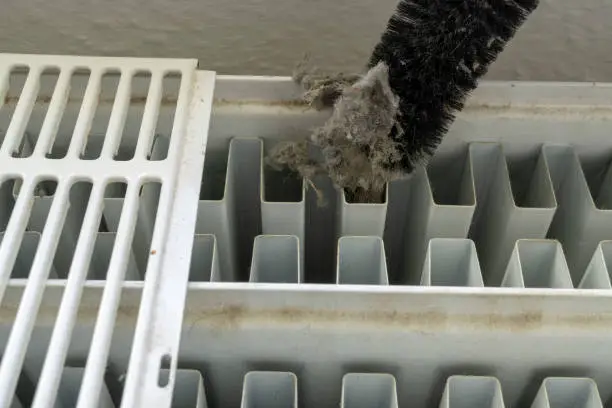
Dust and debris can also gather on the outside of radiators, especially home heating radiators with vents. Use a radiator brush or a long nozzle vacuum cleaner to remove trapped dust from behind and between the fins. For car radiators, inspect the front grille and gently remove leaves, insects or dirt that may block airflow. Avoid using sharp tools that can bend the thin fins, as this can reduce heat transfer.
- Refilling and Checking for Leaks
After cleaning, refill the car radiator with the correct coolant mixture recommended by the manufacturer. Run the engine again while keeping an eye on the temperature gauge to ensure everything is working properly. Inspect for leaks around the radiator, hoses and drain valve. In home radiators, bleed out trapped air using a radiator key to restore full heat circulation. Make sure all valves are tightly closed to avoid dripping water.
Also Read: How To Clean A Mattress Without A Vacuum
Email your news TIPS to Editor@Kahawatungu.com — this is our only official communication channel
