


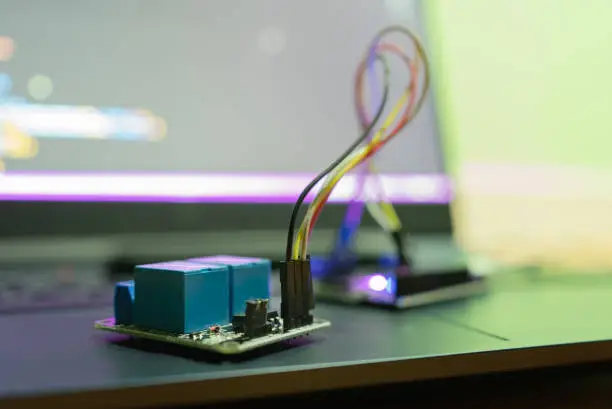
A starter relay is an essential part of a vehicle’s ignition system. It acts as a switch that sends power from the battery to the starter motor when you turn the ignition key. This small device ensures that the high current required by the starter motor doesn’t have to pass through the ignition switch directly, protecting it from wear and overheating. Understanding how to connect a starter relay properly is important for ensuring reliable engine starts and preventing electrical issues.
- Understand the Function of a Starter Relay
The starter relay allows a small current from the ignition switch to control a much larger current from the battery to the starter motor. When you turn the key to the “start” position, the relay is energized, closing an internal circuit that connects the battery power to the starter motor. This mechanism makes the starting process more efficient and extends the life of the ignition system.
- Identify the Terminals on the Relay
A standard 4-pin starter relay has four terminals labeled as 85, 86, 30, and 87. Each terminal plays a specific role:
- Pin 85: Connects to the vehicle’s ground or negative battery terminal.
- Pin 86: Connects to the ignition switch wire (the signal wire).
- Pin 30: Connects directly to the positive terminal of the battery.
- Pin 87: Connects to the starter solenoid, which then engages the starter motor.
Knowing the purpose of each pin helps ensure the relay is wired correctly and safely.
- Gather the Required Tools and Materials
Before starting, collect the necessary tools and equipment:
- A 4-pin automotive relay
- Electrical wires (sized appropriately for starter current)
- Fuse holder and fuse (20–30 amps)
- Crimp connectors or soldering tools
- Electrical tape or heat shrink tubing
- Multimeter for testing continuity and voltage
Using the right materials ensures a secure and durable electrical connection.
- Connect the Relay Coil (Pins 85 and 86)
Begin by connecting pin 85 to a good ground point on the vehicle’s chassis or the negative terminal of the battery. Then, connect pin 86 to the ignition switch wire. This wire provides a small electrical current when the key is turned to the “start” position, energizing the relay coil and allowing it to close the circuit between the battery and the starter.
- Connect the Power Supply (Pin 30)
Next, connect pin 30 of the relay directly to the positive terminal of the battery. This wire carries the main current that will power the starter motor. To protect the system, insert a fuse in line with this wire. The fuse prevents damage in case of a short circuit or wiring fault.
- Connect the Output to the Starter (Pin 87)
Now connect pin 87 to the terminal on the starter solenoid. When the relay is activated, power flows from the battery (through pin 30) to the starter solenoid (through pin 87), engaging the starter motor and turning the engine.
- Test the Relay Setup
Once all connections are made, test the system. Turn the ignition key to the “start” position and listen for a click from the relay, followed by the sound of the starter engaging. If nothing happens, use a multimeter to check that voltage is reaching each terminal and that the ground connection is secure.
- Secure the Wiring and Relay
After confirming that the relay functions correctly, mount it securely in a dry location away from heat or moving parts. Use electrical tape or heat shrink tubing to cover any exposed wires. Proper insulation helps prevent corrosion and short circuits.
Also Read: How To Clean A Throttle Body Without Removing It
Email your news TIPS to Editor@Kahawatungu.com — this is our only official communication channel
