


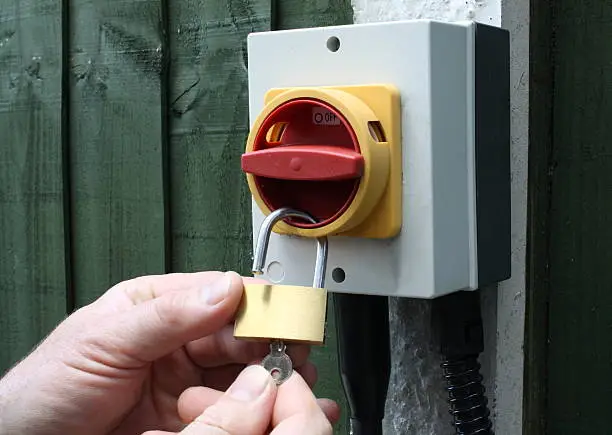
An isolator switch is an important electrical safety device used to disconnect a circuit from the main power supply for maintenance or emergency purposes. It ensures that no electricity flows to the circuit while work is being done, protecting both people and equipment. Knowing how to connect an isolator switch correctly helps improve safety and compliance with electrical standards.
- Understanding the Purpose of an Isolator Switch
An isolator switch is designed to isolate electrical equipment or circuits from the main power source. It does not protect against overload or short circuits like a circuit breaker, but it allows for complete disconnection so that electricians can safely perform repairs or inspections.
Isolator switches are commonly used for appliances such as air conditioners, geysers, solar panels, and outdoor electrical units. They are also used in industrial and domestic electrical installations to cut power when needed.
- Tools and Materials You Will Need
Before installation, prepare the following:
- Isolator switch (single-pole, double-pole, or triple-pole depending on your circuit)
- Screwdriver set
- Insulated wire cutters or strippers
- Electrical cables
- Insulation tape
- Voltage tester or multimeter
- Mounting screws and wall box (if surface-mounted)
Having the right tools ensures safety and a smooth installation process.
- Safety Precautions
Always switch off the main circuit breaker before beginning any electrical work. Confirm that no current is flowing through the wires using a voltage tester. Wear rubber-soled shoes and use insulated tools to minimize the risk of electric shock.
If you are not confident in working with electrical systems, it is always best to hire a qualified electrician.
- Identifying the Wires
You will usually find three main types of wires in a single-phase system:
- Live (brown or red): carries current to the appliance
- Neutral (blue or black): returns current from the appliance
- Earth (green/yellow): provides grounding for safety
Make sure each wire is properly identified before making any connections.
- Connecting the Isolator Switch
- Turn off the power supply.
Go to your main distribution board and switch off the circuit breaker for the line you’re working on. - Mount the isolator switch.
Fix the isolator switch to a wall or mounting box near the appliance or circuit you intend to control. - Connect the input (supply) wires.
Locate the terminals labeled “Line” or “Input” on the isolator. Connect the live, neutral, and earth wires from the main power source to these terminals. - Connect the output (load) wires.
On the side labeled “Load” or “Output,” connect the corresponding live, neutral, and earth wires leading to the appliance or circuit. - Tighten all terminals.
Make sure all screws are firmly tightened to prevent loose connections, which can cause overheating or arcing. - Check the connections.
Use a multimeter to test for continuity and ensure there are no short circuits before turning the power back on. - Restore power and test the switch.
Turn the main breaker back on and operate the isolator switch to confirm that it effectively disconnects and reconnects power to the circuit.
- Types of Isolator Switch Connections
- Single-pole isolator: disconnects only the live wire; used for low-power single-phase circuits.
- Double-pole isolator: disconnects both live and neutral; common for most home appliances.
- Triple-pole isolator: used in three-phase systems, often for industrial or heavy machinery.
Choose the right isolator type based on your electrical setup and load requirements.
- Maintenance Tips
Regularly inspect the isolator for loose screws, signs of heat damage, or corrosion. Clean it occasionally and ensure it remains dry and free from dust. If you notice any sparking, noise, or stiffness when turning it, replace the switch immediately.
Also Read: How To Clean Pewter
Email your news TIPS to Editor@Kahawatungu.com — this is our only official communication channel
