


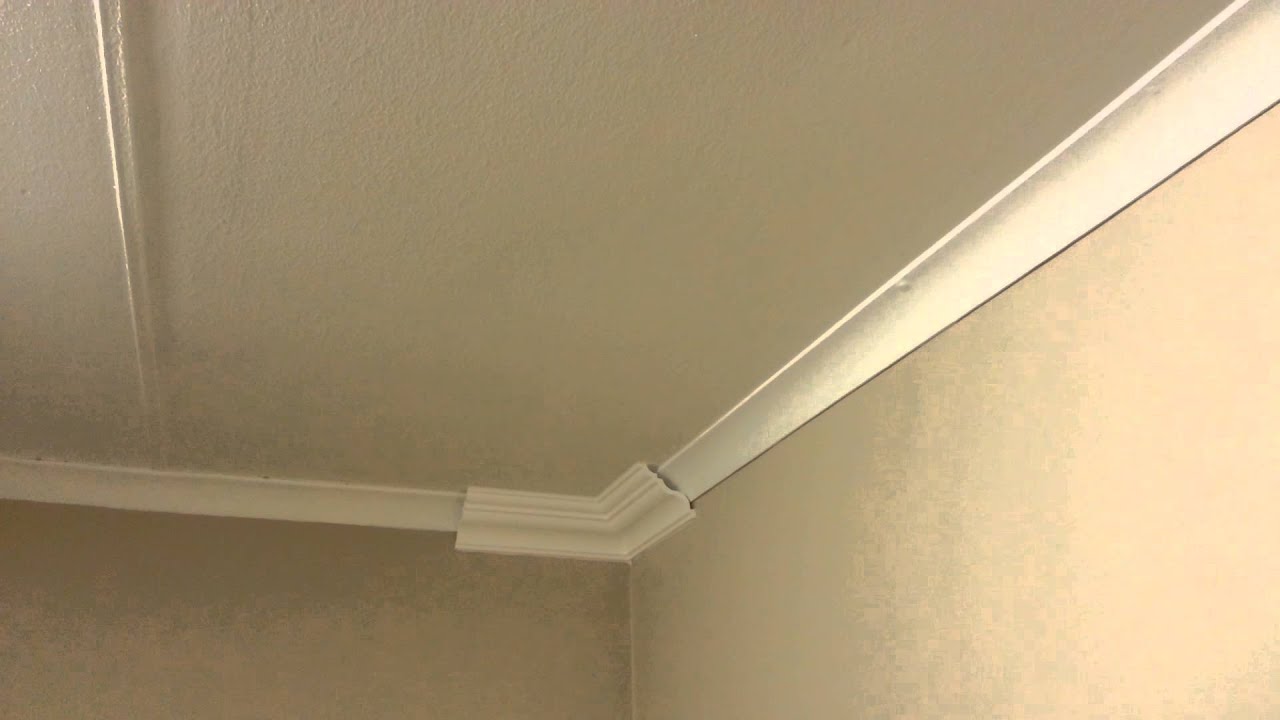
Cutting polystyrene cornice corners requires accuracy, the right tools and a steady approach to achieve clean, professional-looking joints. Cornices frame the edges where walls meet ceilings, so poorly cut corners can stand out immediately. Polystyrene is lightweight and easy to shape, but it can dent or crumble if handled roughly. By preparing the surface, marking correctly and cutting with care, you can fit your cornices neatly and create smooth, well-aligned corners. Here is a clear, practical guide written in the same style as your previous articles.
- Preparing the Tools and Workspace
Begin by gathering the tools you need. A mitre box and a fine-toothed saw are essential for cutting perfect angles. A sharp utility knife also helps with trimming small pieces. Choose a stable, flat workspace with enough room to handle the cornice lengths comfortably. Because polystyrene creates small foam particles when cut, lay down old newspaper or plastic sheeting for easy cleanup. Preparing properly makes the cutting process more accurate and less messy. - Understanding Mitre Angles for Inside and Outside Corners
Inside and outside corners require different cutting directions. For inside corners, the pieces meet inward like the corner of a room. For outside corners, they meet outward around a protruding edge. The typical angle for both is 45 degrees, but the direction of the cut changes depending on whether it is left or right side. Always position the cornice in the mitre box the same way it will sit on the wall, with the ceiling edge on top and the wall edge at the bottom. This prevents confusion and helps you avoid cutting the wrong angle. - Marking and Positioning the Cornice Before Cutting
Hold the cornice against the wall or ceiling and mark where the corner cut will begin. Use a pencil to draw light guide lines so you know which direction the angle should face. Place the cornice inside the mitre box with the decorative side facing you and the marked line aligned with the 45-degree slot. Keeping the orientation consistent is the key to achieving perfect corner joints. Take a moment to double-check the left and right orientation before cutting. - Cutting the Cornice with a Fine-Toothed Saw
Using slow, gentle strokes, cut through the polystyrene along the 45-degree slot in the mitre box. Avoid pressing too hard because this can crush or dent the foam. Let the saw do the work as you guide it steadily. Once the cut is complete, check the edges. If needed, use your utility knife to remove small imperfections or stray bits. Aim for smooth, even edges that fit neatly together when you test the corner. - Testing the Fit Before Installation
After cutting both pieces for the corner, hold them together to check alignment. They should meet cleanly with no wide gaps. If you notice uneven edges, lightly trim or sand them with fine-grit sandpaper until they fit perfectly. Testing before installing saves you from having to remove glued cornices later, and it ensures a crisp, professional finish. - Adjusting and Installing for a Perfect Finish
Once you are satisfied with the fit, apply adhesive to the back of the cornice and press it firmly into place. Hold it for a few seconds until it grips. For tiny gaps, use filler or caulk to create a seamless look. Smooth the filler with a damp finger or small tool to blend it into the corner. When dry, you can paint the cornice to match your ceiling and walls.
Also Read: How To Cut Polystyrene
Email your news TIPS to Editor@Kahawatungu.com — this is our only official communication channel
