


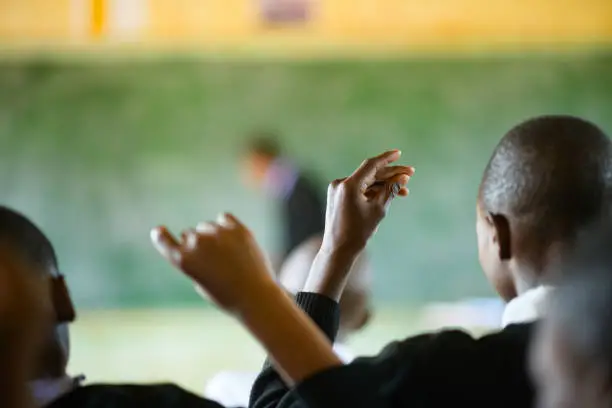
Managing classroom discipline is a crucial part of effective teaching. Without a structured and respectful environment, learning can be disrupted and outcomes affected. Discipline doesn’t mean punishment—it means guiding students toward appropriate behavior with consistency, fairness, and understanding. If applied correctly, discipline fosters responsibility, respect, and self-control among learners. Here is how to discipline learners in the classroom.
- Establish Clear Rules and Expectations
Start by setting clear, age-appropriate classroom rules from the first day. Make sure learners understand what is expected of them. Rules should be simple, positively worded, and consistently enforced. Display them in the classroom and revisit them regularly.
- Be Consistent and Fair
Consistency is key. If you let a rule slide once, learners may think it’s optional. Apply rules fairly to all students, regardless of personal feelings or background. Consistent discipline builds trust and fairness in the classroom.
- Use Positive Reinforcement
Catch learners doing the right thing and reward good behavior. Praise, stickers, extra activities, or verbal recognition can reinforce positive behavior more effectively than focusing only on what goes wrong. Encouragement goes a long way in motivating learners.
- Implement Clear Consequences
Learners should know what the consequences are for breaking the rules. Whether it’s a warning, time-out, loss of privileges, or a note home, consequences must be appropriate and immediate. Avoid harsh punishments—your aim is to correct, not shame.
- Maintain a Calm and Respectful Tone
Even when correcting behavior, remain calm and respectful. Avoid shouting or sarcasm. Learners often mirror the tone and attitude of the teacher. A calm approach helps de-escalate situations and keeps the classroom environment safe and respectful.
- Address Disruptions Privately When Possible
If a student is disruptive, try to address it privately to avoid embarrassing them in front of their peers. A quiet word after class or at their desk can be more effective than public confrontation.
- Understand the Root Causes
Sometimes misbehavior has deeper causes such as emotional challenges, learning difficulties, or problems at home. Try to understand why a learner is acting out. Show empathy and involve school counselors or parents when necessary.
- Build Positive Relationships
Discipline is more effective when learners respect and trust their teacher. Get to know your students, listen to them, and show genuine care. A positive teacher-learner relationship reduces behavioral problems significantly.
Also Read: How To Delete Facebook Page On Phone
Email your news TIPS to Editor@Kahawatungu.com — this is our only official communication channel
