


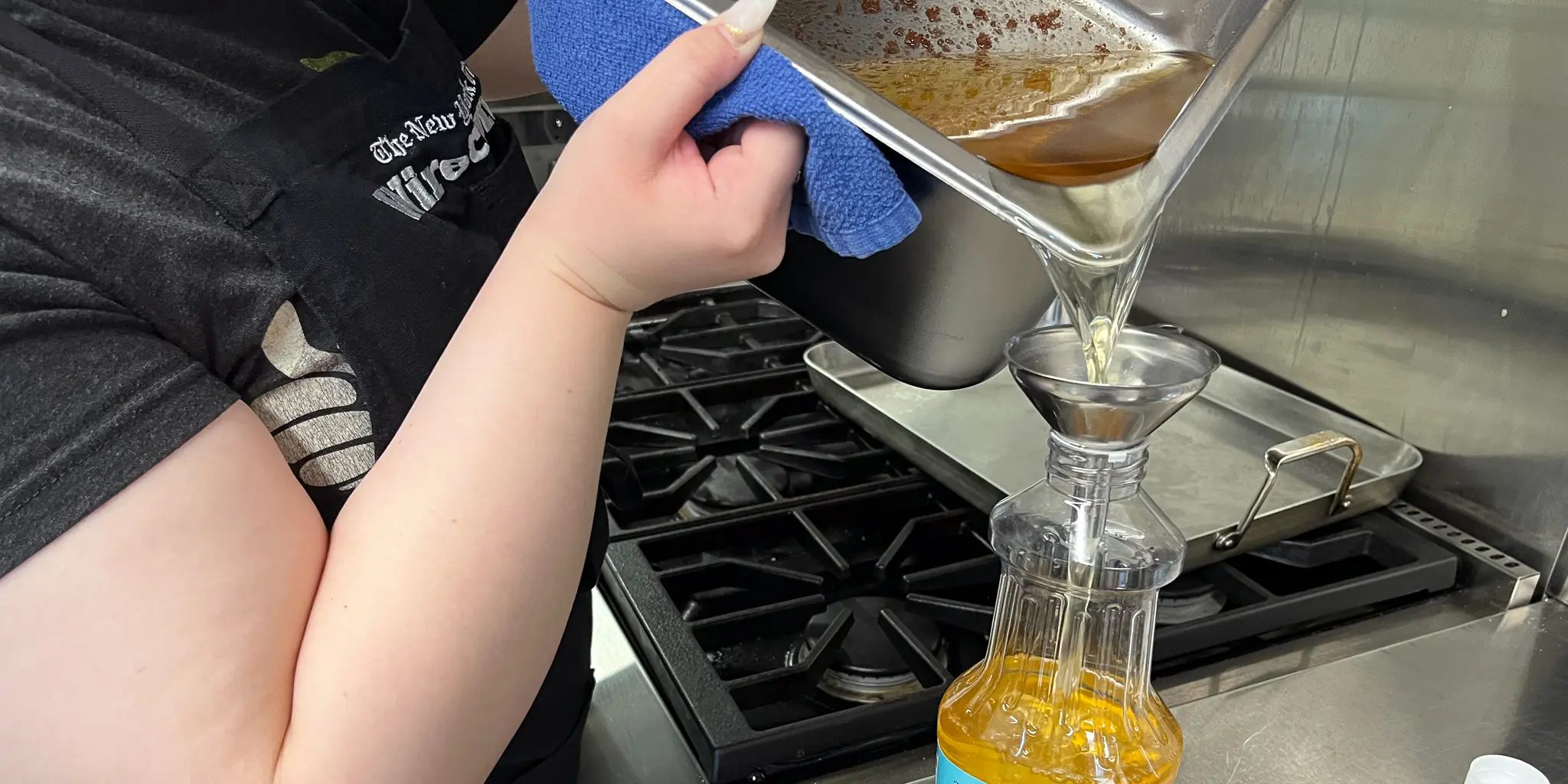
Disposing of cooking oil correctly is important for your home, your plumbing system and the environment. Pouring used oil down the drain may seem convenient, but it can harden inside pipes, cause blockages and lead to expensive plumbing repairs. When oil reaches the sewage system, it contributes to environmental pollution and can overwhelm wastewater treatment facilities. Whether you use small amounts for frying or larger batches for deep-frying, there are safe and practical ways to get rid of it. This article explains, in clear numbered sections, how to dispose of cooking oil responsibly and without mess.
- Allowing the Oil to Cool Completely
Before handling used cooking oil, always let it cool down. Hot oil can melt plastic containers, burn your skin or spill easily. Once the oil cools to room temperature, it becomes safer to transfer and store. This step is essential whether you plan to reuse the oil or throw it away.
- Straining and Reusing Oil When Possible
If the oil is still clean and you want to reuse it, strain it using a fine sieve or cloth to remove crumbs and food particles. Many oils can be reused several times if they do not smell burnt or look too dark. Reusing oil reduces waste and saves money. However, once the oil becomes cloudy or develops an unpleasant smell, it is time to dispose of it.
- Storing Oil in a Sealable Container
Never pour oil directly into your rubbish bin because it can leak and create a mess. Instead, pour it into a sealable container such as an empty bottle, jar or plastic tub. Containers that would otherwise be thrown away are perfect for this. When the container is full, ensure the lid is tightly closed before discarding it in the general waste bin.
- Solidifying the Oil Before Disposal
Another safe method is to solidify the oil. Some oils harden on their own when cooled, but for liquid oils, you can mix them with absorbent materials such as flour, sand, cat litter or paper towels. Once the mixture becomes solid, place it in a bag and throw it away. This prevents spills and makes disposal easy.
- Using Community Recycling or Collection Points
Many areas offer recycling services for used cooking oil. If available, you can take your oil to a drop-off centre where it is processed into biodiesel or other useful products. Restaurants and some service stations also partner with recycling companies and may accept small amounts of domestic oil. Recycling is the most environmentally friendly option.
- Avoiding Drains, Toilets and Garden Disposal
Cooking oil should never be poured into drains, toilets or directly onto soil. It clogs plumbing, damages drainage systems and harms the environment. Even small amounts accumulate over time, leading to unpleasant smells and costly repairs. Proper disposal protects both your home and the community.
- Cleaning Utensils and Pans Responsibly
When washing pans with leftover oil, wipe away as much oil as possible using paper towels before rinsing. This reduces the amount of grease going down the drain. Dispose of the oily paper towels in the bin with your other household waste.
Also Read: How To Delete Incognito History
Email your news TIPS to Editor@Kahawatungu.com — this is our only official communication channel
