


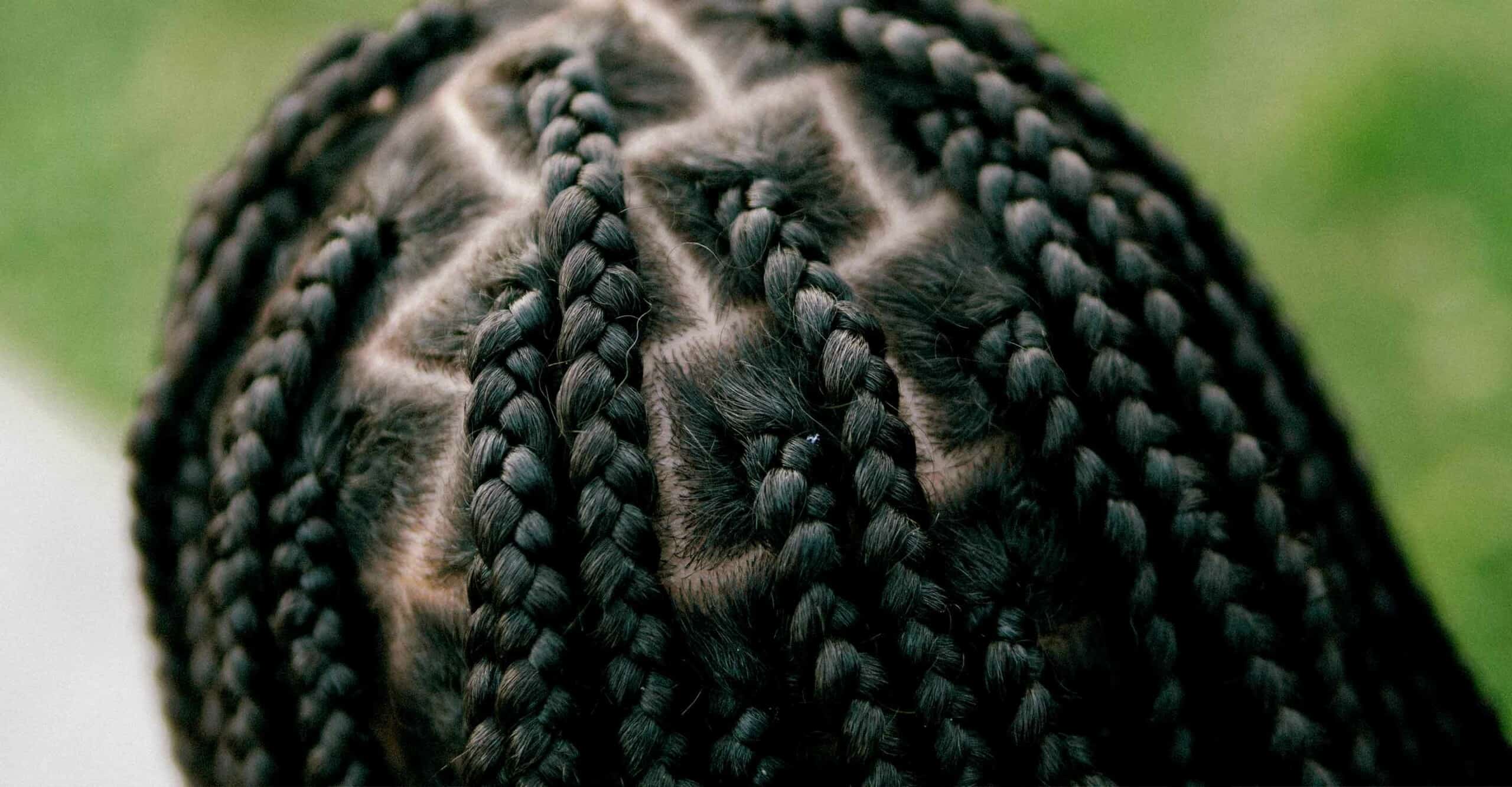
Doing knotless braids on yourself takes patience, technique, and good preparation, but it is a skill that becomes easier with practice. Knotless braids are popular because they are lightweight, tension free, and gentle on your scalp, making them a comfortable protective hairstyle. When you learn to braid them yourself, you save money, gain control over your styling, and can refresh your hair whenever you need to. This guide explains how to prepare your hair, section it correctly, add extensions smoothly, and finish your braids neatly for a clean and professional look.
- Preparing Your Hair Properly
Start by washing and conditioning your hair to ensure it is clean and moisturised. Apply a leave-in conditioner and a light oil to seal in moisture. Blow-dry your hair if you prefer a stretched look, or braid it overnight to stretch it naturally. Detangle thoroughly using a wide-tooth comb or brush. Proper preparation reduces breakage and makes the braiding process smoother and faster.
- Gathering the Tools You Need
Before you start, place everything within reach. You will need a rat-tail comb for parting, hair clips, pre-stretched braiding hair, edge control or gel, a brush, scissors, and a mirror setup that allows you to see the back of your head. Using two mirrors or a mirror and your phone camera helps you achieve straight and neat sections throughout your head.
- Sectioning Your Hair Neatly
Begin by dividing your hair into four large sections to make it easier to manage. Clip each section aside. Working one section at a time, part smaller squares or triangles depending on the style you prefer. Apply a small amount of gel to each parting to make the lines sharp. Neat sectioning is essential because it determines the final appearance of your knotless braids.
- Starting the Braid Without a Knot
Take a small piece of your natural hair and split it into three equal strands. Begin braiding your own hair first, creating two or three passes without adding any extensions. This creates the tension-free base that makes the braid knotless. Keep your hands close to the scalp to maintain a clean and secure start.
- Feeding in the Braiding Hair Gradually
Once the base is established, start adding small pieces of braiding hair. Feed in one piece at a time, adding it smoothly into one of the strands as you braid downward. Continue adding pieces until you reach your desired thickness. Keeping the added pieces small ensures the braid remains lightweight and natural-looking. Repeat this process for every braid, working patiently around your head.
- Maintaining Consistent Tension
As you braid, keep your grip firm but gentle. Too much tension can cause pain or breakage, while a loose grip may make the braid unravel. Consistency is key to achieving uniform braids. If a braid feels too tight, carefully loosen it immediately before continuing.
- Finishing and Sealing the Braids
Once all the braids are complete, trim any flyaway strands and dip the ends in hot water to seal them. Be cautious when handling the hot water to avoid burns. Apply mousse over your braids to add smoothness and finish with edge control for a polished look. If desired, wrap your hair with a silk scarf for a few minutes to help set the style.
Also Read: How To Delete Incognito History
Email your news TIPS to Editor@Kahawatungu.com — this is our only official communication channel
