


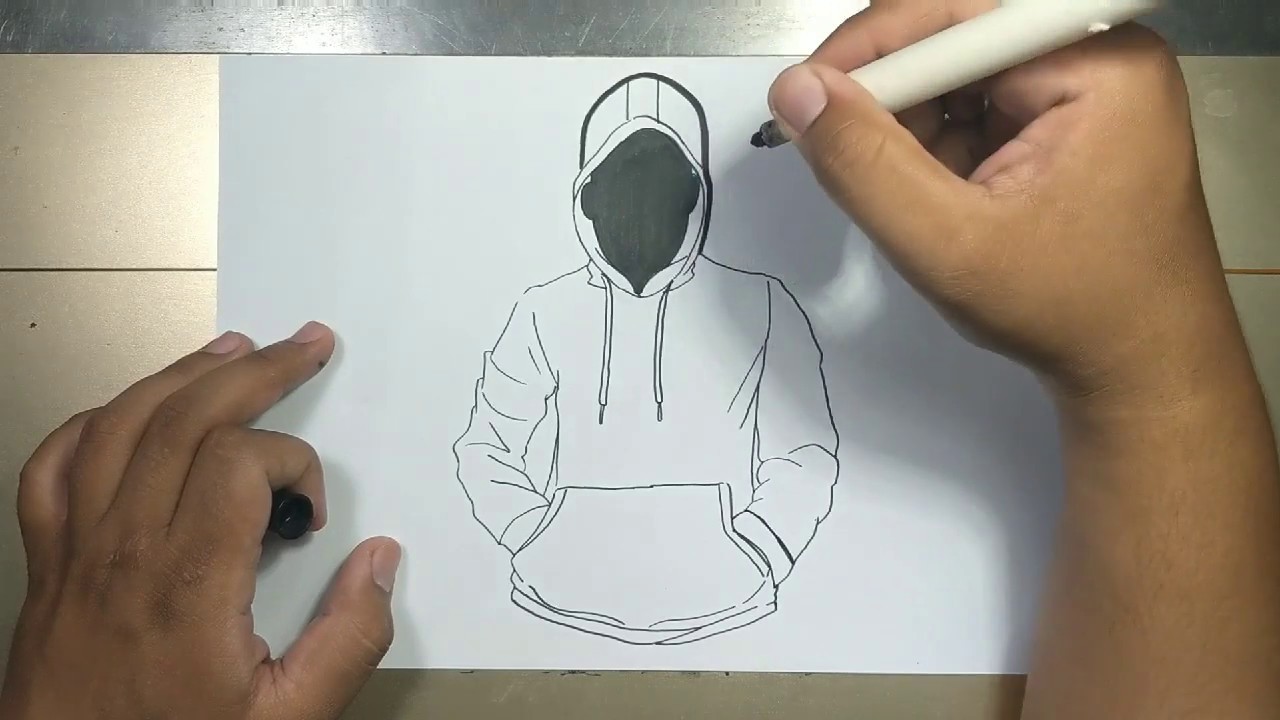
A hoodie is one of the simplest and most enjoyable clothing items to draw because it has soft shapes, relaxed folds and a clear structure. Whether you are drawing it on a character or sketching it on its own, getting the form right makes the hoodie look natural and believable. You don’t need to be highly experienced to draw one; you only need to understand the basic shapes, the drape of cloth and the areas where hoodies create folds. This guide walks you through the steps with clear explanations, simple forms and helpful tips to improve your drawing.
- Start with the Overall Shape
Begin by getting the basic outline right because this determines the hoodie’s proportions.
- Sketch a simple torso shape to act as the foundation, even if you will erase it later.
- Keep the lines light so you can adjust easily.
- Draw the shoulders slightly curved because hoodies have a relaxed fit.
- Envision the hoodie as a loose layer over the body rather than a tight structure.
This early sketch acts as a guide and makes the later details fall naturally into place.
- Shape the Hood
The hood is the most recognizable part of a hoodie, so you want it to be clear and rounded.
- Draw a loose, curved shape behind the neck area.
- Make the hood slightly oversized; hoodies rarely sit tightly.
- Add a second inner curve to show thickness and depth.
- Keep the form soft so it looks like fabric resting on the shoulders.
If you want the hood up, draw it framing the head like a wide oval with folds near the chin.
- Add the Neckline and Drawstrings
The front opening and strings give the hoodie character and help define its style.
- Sketch a V-shaped or slightly curved neckline.
- Add two small holes or seams where the drawstrings emerge.
- Draw the strings hanging down; keep them uneven to look natural.
- Include small ends or plastic tips for clarity.
These small details add realism and make your hoodie more visually interesting.
- Outline the Sleeves
Sleeves determine the hoodie’s posture and movement.
- Draw loose, slightly baggy sleeves that widen near the elbows.
- If the arms hang straight, let the sleeve shape drop naturally.
- For bent arms, add creases around the elbow area.
- Keep the wrist cuffs narrower to show the elastic band.
Sleeves show a lot of folds, so don’t worry if the lines feel messy at first.
- Draw the Pocket Area
Most hoodies include a front pocket, and drawing it correctly makes your hoodie instantly recognizable.
- Sketch a large pocket across the lower front.
- Draw a subtle curve along the top edge to show the fabric’s slouch.
- Add small stitch lines to show how the pocket attaches to the hoodie.
- Slightly angle the sides to avoid a boxy look.
This feature gives the hoodie structure and breaks up the large front surface.
- Add Folds and Fabric Details
Folds bring life to your drawing and make the hoodie feel more natural.
- Add gentle folds under the arms.
- Include wrinkles near the shoulders.
- Draw curved lines around the waistband and cuffs.
- Place a few creases around the pocket edges.
Use these details sparingly; too many folds can make the hoodie look stiff.
- Finalize Your Lines and Add Shading
Once your structure is complete, you can refine and bring depth to your drawing.
- Darken the final outline and erase your rough sketch lines.
- Shade under the hood for depth.
- Add shadows under the sleeves and pocket.
- Use soft shading to show the fabric’s thickness.
This final pass ties everything together and makes your drawing clean and polished.
Also Read: How To Draw A Frog For Kids
Email your news TIPS to Editor@Kahawatungu.com — this is our only official communication channel
