


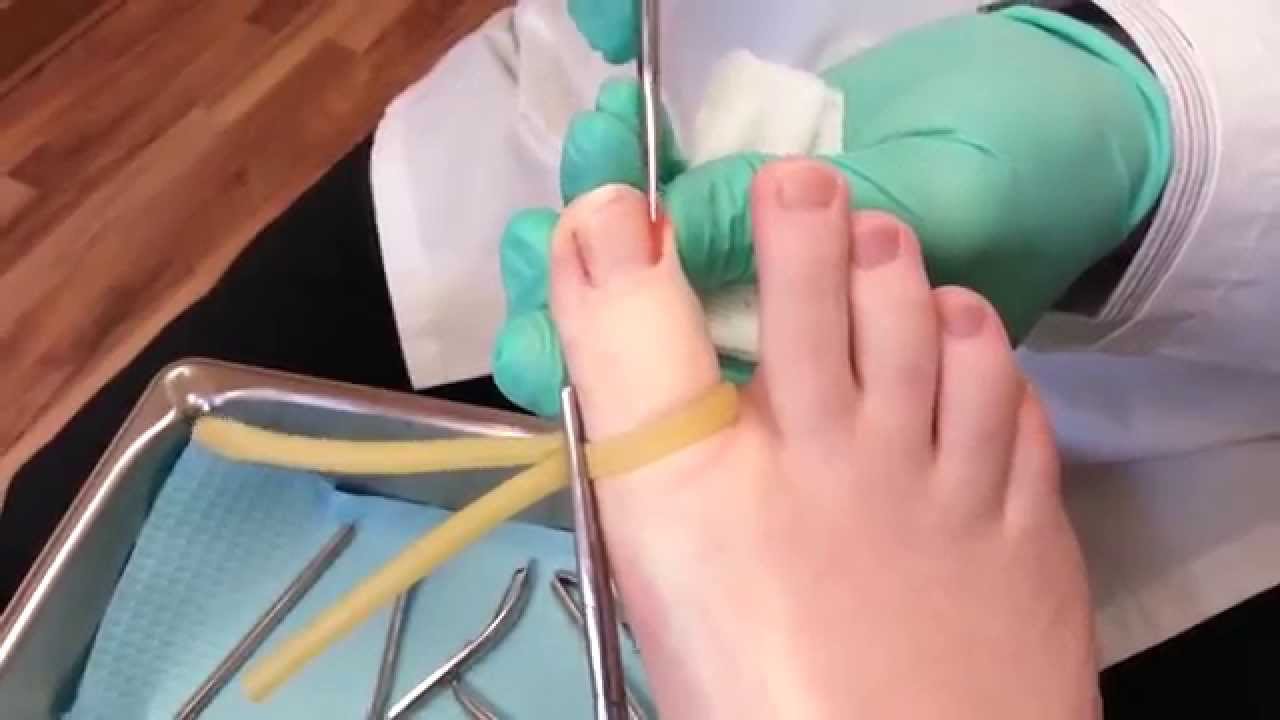
An ingrown toenail is a painful condition that occurs when the edge or corner of a toenail grows into the surrounding skin. It most commonly affects the big toe and can cause redness, swelling, pain, and sometimes infection. While mild cases may improve with home care, recurring ingrown toenails often require long-term solutions to prevent them from coming back. Understanding the causes, proper care methods, and permanent treatment options can help you manage and fix an ingrown toenail effectively. This guide explains safe, practical, and long-term ways to fix an ingrown toenail permanently.
- Understand Why Ingrown Toenails Keep Coming Back
Knowing the cause helps prevent recurrence.
- Cutting nails too short
- Rounding the corners of toenails
- Wearing tight or narrow shoes
- Repeated toe injuries
- Naturally curved or thick nails
Addressing the root cause is key to a permanent solution.
- Identify Early Signs of an Ingrown Toenail
Early treatment prevents complications.
- Pain along the nail edge
- Red or swollen skin
- Tenderness when walking
- Mild warmth around the toe
Treating the problem early reduces the risk of infection.
- Practice Proper Toenail Cutting Technique
Correct nail trimming is one of the most important steps.
- Cut toenails straight across
- Avoid rounding the corners
- Do not cut nails too short
- Use clean, sharp nail clippers
Proper trimming prevents the nail from growing into the skin.
- Wear Proper Footwear
Shoes play a major role in toenail health.
- Choose shoes with a wide toe box
- Avoid tight or pointed shoes
- Wear breathable footwear
- Change shoes regularly
Comfortable shoes reduce pressure on the toes.
- Keep Your Feet Clean and Dry
Good hygiene supports healing and prevention.
- Wash feet daily with warm water
- Dry thoroughly, especially between toes
- Change socks regularly
- Avoid prolonged moisture
Clean feet reduce infection risk.
- Use Warm Salt Water Soaks
Soaking helps reduce pain and swelling.
- Soak the affected foot in warm water
- Add salt to help reduce inflammation
- Soak for 15 to 20 minutes
- Repeat once or twice daily
Soaks soften the skin and nail edge.
- Lift the Nail Edge Gently
This method can help mild cases heal.
- Place clean cotton or dental floss under the nail edge
- Lift gently to separate nail from skin
- Replace daily with clean material
- Stop if pain worsens
This encourages the nail to grow above the skin.
- Apply Antiseptic or Antibiotic Ointment
Preventing infection is important.
- Clean the area before applying ointment
- Use a thin layer
- Cover with a clean bandage
- Change dressing daily
This supports healing and reduces infection risk.
- Avoid Digging or Cutting the Nail Yourself
Improper handling can make the problem worse.
- Do not cut into the nail corner
- Avoid using sharp tools
- Do not attempt deep nail removal
- Seek help if pain increases
Self-treatment can lead to infection and complications.
- Treat Infections Promptly
Infections require careful attention.
- Look for pus or increasing redness
- Watch for severe pain or swelling
- Do not ignore signs of infection
- Seek medical advice if symptoms worsen
Untreated infections can spread.
- Consider Professional Nail Care
Foot care professionals can help prevent recurrence.
- Visit a podiatrist for recurring issues
- Get proper nail trimming guidance
- Receive professional cleaning
- Learn foot care techniques
Professional care reduces repeated problems.
- Permanent Medical Treatments for Ingrown Toenails
For severe or recurring cases, medical treatment may be needed.
- Partial nail removal by a professional
- Nail matrix treatment to prevent regrowth
- Chemical or surgical procedures
- Long-term relief for chronic cases
These treatments are often permanent solutions.
- Understand Nail Matrix Removal
This is a common permanent treatment.
- The nail edge is removed
- The nail root is treated to stop regrowth
- Prevents the nail from growing inward again
- Performed under local anesthesia
This method is effective for chronic ingrown toenails.
- Recovery After Permanent Treatment
Proper aftercare supports healing.
- Keep the toe clean and dry
- Follow medical instructions carefully
- Avoid tight shoes during healing
- Attend follow-up appointments
Healing usually takes a few weeks.
- Prevent Ingrown Toenails in the Future
Prevention is always better than treatment.
- Trim nails correctly
- Wear comfortable shoes
- Protect feet from injury
- Monitor nail growth regularly
Consistent care prevents recurrence.
- When to See a Doctor
Medical help is sometimes necessary.
- Severe or persistent pain
- Signs of infection
- Repeated ingrown toenails
- Underlying conditions like diabetes
Professional care ensures safety.
- Common Mistakes to Avoid
Avoid these habits for better results.
- Cutting nails too short
- Ignoring early pain
- Wearing tight shoes
- Self-treating severe cases
Small mistakes can cause repeated problems.
- Final Tips for Fixing Ingrown Toenails Permanently
Keep these tips in mind.
- Address the cause, not just the pain
- Maintain proper foot hygiene
- Seek professional help for recurring cases
- Be patient with the healing process
Also Read: How To Edit Videos On Your Phone
Email your news TIPS to Editor@Kahawatungu.com — this is our only official communication channel
