


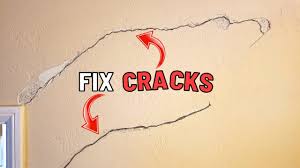
Structural cracks in walls are more serious than hairline or surface cracks. They often indicate deeper issues such as foundation movement, moisture damage, or poor construction. Fixing these cracks properly is important to maintain your home’s safety and stability. Here’s a guide on how to fix structural cracks in walls effectively and safely.
- Assess the Severity of the Crack
Start by examining the crack. Structural cracks are usually wider than 3mm, run vertically, diagonally, or in stair-step patterns, and may reappear after patching. If you’re unsure, it’s best to consult a structural engineer before proceeding with repairs.
- Clean the Crack Area
Use a utility knife or chisel to widen and clean out the crack. Remove loose debris, dirt, or old filler. A clean surface helps the new material bond better. If needed, use a stiff brush or vacuum to ensure the crack is clear of dust and particles.
- Reinforce the Crack (If Needed)
For wide or deep cracks, reinforcement may be necessary. You can embed mesh tape or metal lath across the crack to help hold the repair material in place. This prevents the crack from reopening due to movement or pressure.
- Apply the Repair Compound
Use a strong repair mortar, epoxy injection, or a structural crack filler suitable for your wall type (concrete, brick, or plaster). For deep cracks, apply the compound in layers, letting each layer dry before adding the next. Smooth the surface with a putty knife or trowel for a neat finish.
- Allow to Cure Properly
Give the compound enough time to dry and cure. This could take several hours or even a few days depending on the product used and the depth of the crack. Avoid putting pressure on the wall during this time.
- Sand and Paint the Surface
Once the repair is fully dry, sand it lightly to even out the surface. Then repaint the wall with a matching color. This restores the wall’s appearance and protects the repair from moisture and dust.
- Monitor for Future Movement
After repairing, keep an eye on the area. If cracks reappear or new ones form nearby, this may indicate ongoing structural issues. In that case, professional assessment is necessary to address the root cause.
Also Read: How To Eat Persimmon Fruit
Email your news TIPS to Editor@Kahawatungu.com — this is our only official communication channel
