


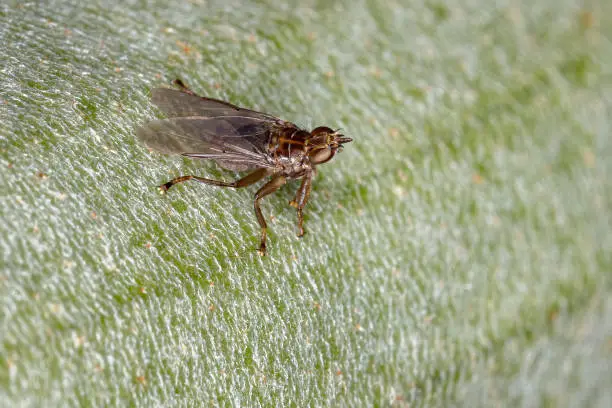
Bird lice are tiny parasites that live on birds and feed on feathers, skin debris, and sometimes blood. They commonly appear when birds nest in roofs, ceilings, air vents, or around windows. When birds leave the nest or die, the lice may migrate into nearby living spaces, causing irritation and concern for homeowners. While bird lice cannot live permanently on humans, they can still bite and cause itching. This article explains how to get rid of bird lice effectively and prevent them from returning.
- Understand What Bird Lice Are
Knowing what you are dealing with helps reduce panic.
- Small, pale or brown insects
- Usually found near bird nests
- Cannot reproduce on humans
- Cause itching and skin irritation
Bird lice survive only briefly indoors without birds.
- Identify the Source of the Infestation
Source removal is critical.
- Check roof spaces and eaves
- Inspect vents and window ledges
- Look for abandoned bird nests
- Check ceiling cavities
Treating the source prevents reinfestation.
- Remove All Bird Nests Safely
Nest removal is the first major step.
- Wear gloves and protective clothing
- Use a sealed plastic bag
- Remove nests completely
- Dispose of nests far from the house
Never leave nesting material behind.
- Treat the Nesting Area Immediately
Treatment kills remaining lice.
- Spray insecticide in the nesting area
- Focus on cracks and crevices
- Treat roof beams and corners
- Allow area to dry thoroughly
This prevents lice from spreading indoors.
- Vacuum Affected Indoor Areas Thoroughly
Vacuuming removes live lice.
- Vacuum carpets and rugs
- Clean sofas, mattresses, and curtains
- Focus on skirting boards and corners
- Dispose of vacuum bag immediately
Repeat vacuuming daily until activity stops.
- Wash All Exposed Fabrics
Heat kills bird lice effectively.
- Wash bedding and clothing in hot water
- Dry items on high heat
- Wash curtains and cushion covers
- Avoid air-drying until infestation ends
Heat treatment is essential for fabrics.
- Use Residual Insecticide Sprays Indoors
Targeted spraying helps control spread.
- Spray along skirting boards
- Treat cracks and wall joints
- Focus on window frames
- Avoid spraying bedding directly
Use products labeled safe for indoor use.
- Apply Diatomaceous Earth Where Appropriate
Natural options can help.
- Use food-grade diatomaceous earth
- Apply thin layers in cracks
- Use under furniture and skirting
- Keep away from pets and children
It dehydrates lice and stops movement.
- Seal Entry Points Into the Home
Prevention reduces recurrence.
- Seal roof gaps and vents
- Repair broken tiles or boards
- Install mesh on vents
- Close gaps around windows
Blocking access is essential long-term.
- Reduce Bird Activity Near the House
Bird control supports lice control.
- Install bird spikes if necessary
- Remove food sources
- Block ledges and nesting spots
- Use deterrents where permitted
Fewer birds mean fewer parasites.
- Avoid Using Foggers or Bombs Improperly
Improper treatment can worsen the problem.
- Foggers may spread lice deeper
- Not effective without nest removal
- Can contaminate living spaces
- Use only when advised
Targeted treatment works better.
- Monitor Skin Reactions Carefully
Skin symptoms should improve.
- Itching should reduce within days
- Red marks may fade gradually
- Persistent symptoms need attention
- Avoid scratching to prevent infection
Bird lice do not stay on humans.
- Clean and Disinfect Hard Surfaces
Cleaning removes hidden pests.
- Wipe floors and surfaces
- Clean window sills and ledges
- Use disinfectant sprays
- Repeat regularly
Clean environments reduce survival chances.
- When to Call Pest Control Professionals
Professional help may be needed.
- Heavy or persistent infestation
- Multiple nesting areas
- Inaccessible roof spaces
- Ongoing bites despite treatment
Professionals have specialized equipment.
- How Long It Takes to Get Rid of Bird Lice
Patience is important.
- Activity usually decreases within days
- Full control may take 1–2 weeks
- Depends on source removal
- Consistent treatment speeds results
Incomplete treatment causes delays.
- Common Mistakes to Avoid
Avoid actions that prolong infestation.
- Ignoring nesting areas
- Skipping vacuuming
- Using random chemicals
- Leaving entry points open
Consistency is key to success.
- Are Bird Lice Dangerous to Humans
Health risks are minimal.
- Do not live permanently on humans
- Do not spread human diseases
- Cause temporary irritation only
- Symptoms resolve once lice are gone
Understanding this reduces anxiety.
- Preventing Future Bird Lice Infestations
Prevention saves effort.
- Inspect roof areas regularly
- Remove nests early
- Seal openings promptly
- Monitor bird activity
Early action prevents major infestations.
- Tips for Households With Children and Pets
Extra care is needed.
- Keep children away during treatment
- Use pet-safe products
- Clean floors regularly
- Store insecticides securely
Safety should always come first.
Also Read: How To Get My Vodacom PUK Number
Email your news TIPS to Editor@Kahawatungu.com — this is our only official communication channel
