


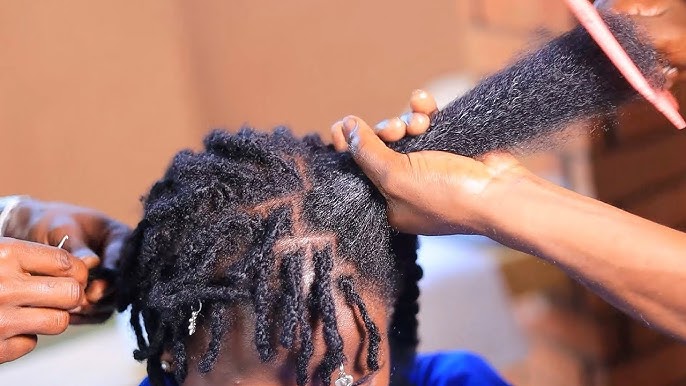
Dreadlocks are a popular and meaningful hairstyle for many people, but there may come a time when you want to remove them. This decision can be influenced by personal preference, work requirements, lifestyle changes, or hair health concerns. Getting rid of dreadlocks does not always mean shaving your head. With patience and the right approach, it is possible to remove dreadlocks while keeping much of your hair length. This article explains different ways to get rid of dreadlocks safely and effectively, depending on your hair type, time, and desired outcome.
- Decide Whether You Want to Save Your Hair
The first step is choosing your end goal.
- Decide if you want to keep your hair length
- Consider whether shaving is an option
- Think about the time and effort involved
- Assess the condition of your hair
This decision determines the best removal method.
- Understand How Dreadlocks Form
Knowing how dreadlocks work helps with removal.
- Hair tangles and knots together
- Dead hair becomes trapped in the lock
- Oils and products bind strands
- Over time, locks become tighter
Older dreadlocks are usually harder to remove.
- Prepare Your Hair Before Removal
Preparation reduces breakage.
- Wash hair thoroughly
- Use a clarifying shampoo
- Remove buildup and residue
- Dry hair slightly but keep it damp
Clean hair is easier to work with.
- Soften Dreadlocks With Conditioner
Softening is essential if you want to save your hair.
- Use a thick, moisturizing conditioner
- Apply generously to each dreadlock
- Let it sit for several minutes
- Reapply as needed during removal
Conditioner helps loosen tangled strands.
- Use Oils to Loosen Knots
Oils add slip and reduce breakage.
- Coconut oil
- Olive oil
- Castor oil
- Argan oil
Apply oil before and during the process.
- Start Unraveling From the Ends
Work slowly and patiently.
- Begin at the tip of the dreadlock
- Use your fingers first
- Move gradually toward the roots
- Avoid pulling or ripping
Starting from the ends protects the hair shaft.
- Use the Right Tools Carefully
Tools can help when fingers are not enough.
- Rat-tail comb
- Crochet hook
- Wide-tooth comb
- Hair clips for sectioning
Use tools gently to avoid hair damage.
- Work on One Dreadlock at a Time
Taking your time improves results.
- Separate hair into sections
- Focus on one lock fully
- Take breaks to avoid fatigue
- Expect the process to take hours or days
Rushing leads to excessive hair loss.
- Be Prepared for Shedding
Hair loss is normal during removal.
- Trapped shed hair comes out
- Shedding may look alarming
- This does not mean your hair is ruined
- Hair density improves after washing
Do not panic when you see hair shedding.
- Detangle Thoroughly After Each Lock
Detangling prevents re-matting.
- Use a wide-tooth comb
- Detangle while hair is wet
- Apply more conditioner as needed
- Start from ends and move upward
This step keeps hair manageable.
- Wash and Deep Condition After Removal
Hair needs recovery care.
- Wash with a gentle shampoo
- Apply a deep conditioning mask
- Leave treatment on for 20–30 minutes
- Rinse thoroughly
This restores moisture and strength.
- Trim Damaged Ends
Trimming improves hair appearance.
- Cut split or weak ends
- Shape hair evenly
- Do not over-trim
- Focus on healthy growth
A trim helps hair look fresh and neat.
- Consider Cutting or Shaving as an Option
Sometimes cutting is the best solution.
- Saves time and effort
- Removes severely damaged hair
- Allows fresh growth
- Simplifies hair care
This option works well for very old locks.
- Get Professional Help If Needed
Professionals make the process easier.
- Experienced locticians
- Hair salons with detangling services
- Proper tools and products
- Reduced risk of damage
Professional removal is ideal for thick or mature locks.
- Care for Your Hair After Removing Dreadlocks
Post-removal care is essential.
- Moisturize hair regularly
- Avoid heat styling initially
- Use protective styles
- Limit harsh chemicals
Hair needs time to recover fully.
- Choose a New Hairstyle Carefully
Gentle styles protect your hair.
- Loose braids
- Twists
- Natural afro styles
- Low-manipulation hairstyles
Avoid tight styles immediately after removal.
- How Long Does It Take to Remove Dreadlocks
Time varies from person to person.
- Short dreadlocks take a few hours
- Long or mature locks may take days
- Hair thickness affects timing
- Patience is essential
There is no quick fix if you want to save your hair.
- Common Mistakes to Avoid
Avoid actions that cause damage.
- Pulling hair aggressively
- Skipping conditioner
- Using sharp tools carelessly
- Rushing the process
Gentle handling protects your hair.
- Can You Get Rid of Dreadlocks Without Damage
Minimal damage is possible.
- Use proper products
- Work slowly and gently
- Maintain moisture
- Trim when necessary
Some damage is normal, but it can be managed.
Also Read: How To Get My Vodacom PUK Number
Email your news TIPS to Editor@Kahawatungu.com — this is our only official communication channel
