


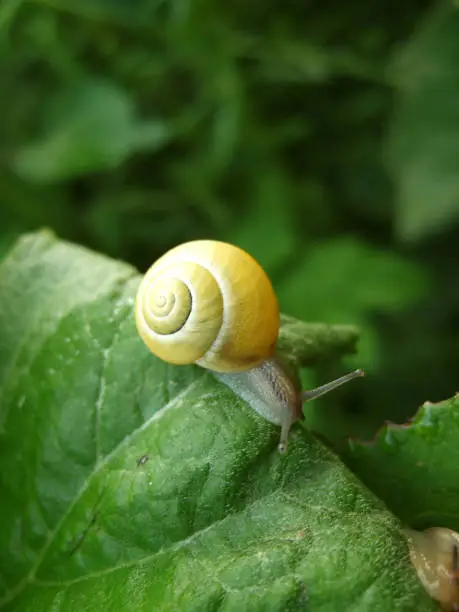
Snails can quickly become a serious problem in the garden, especially during wet and humid conditions. They feed on tender leaves, seedlings, flowers, and vegetables, leaving behind irregular holes and silvery slime trails. While snails are part of the natural ecosystem, too many of them can damage plants overnight and slow garden growth. Getting rid of snails in the garden requires a balanced approach that controls their numbers while protecting plants and soil health. This article explains effective and practical ways to remove snails from your garden and prevent them from returning.
- Identify Signs of Snail Damage
Early detection helps protect plants.
- Chewed leaves and stems
- Irregular holes in foliage
- Slime trails on soil and leaves
- Missing seedlings
- Increased damage after rain
Identifying the problem early allows quicker action.
- Understand Why Snails Are Attracted to Your Garden
Snails thrive in certain conditions.
- Moist soil and shade
- Dense plant cover
- Decaying organic matter
- Overwatering
- Cool and damp weather
Reducing these conditions limits snail activity.
- Handpick Snails Regularly
Manual removal is effective.
- Pick snails early morning or evening
- Wear gloves
- Collect in a container
- Remove consistently
This method works best for small infestations.
- Reduce Moisture in the Garden
Dry conditions discourage snails.
- Water plants in the morning
- Avoid overwatering
- Improve drainage
- Remove standing water
Less moisture means fewer snails.
- Use Natural Barriers Around Plants
Barriers prevent snail access.
- Crushed eggshells
- Coffee grounds
- Wood ash
- Sharp sand
These materials irritate snails’ bodies.
- Apply Copper as a Deterrent
Copper creates a mild reaction.
- Use copper tape around pots
- Install copper rings
- Wrap copper wire around stems
- Keep copper clean
Snails avoid crossing copper surfaces.
- Encourage Natural Predators
Nature helps control snails.
- Birds
- Frogs
- Toads
- Hedgehogs
Providing shelter for predators reduces snail numbers.
- Use Beer Traps Carefully
Beer attracts and traps snails.
- Bury shallow containers
- Fill with beer
- Place near affected plants
- Empty traps regularly
This works best in heavily infested areas.
- Remove Garden Hiding Spots
Snails hide during the day.
- Clear fallen leaves
- Remove wooden boards
- Lift stones and debris
- Keep garden tidy
Fewer hiding places mean fewer snails.
- Plant Snail-Resistant Plants
Some plants repel snails naturally.
- Lavender
- Rosemary
- Sage
- Geraniums
Using these plants reduces snail attraction.
- Use Mulch Carefully
Mulch can attract snails.
- Avoid thick organic mulch
- Use gravel or bark instead
- Keep mulch away from stems
- Refresh mulch regularly
Proper mulching discourages pests.
- Apply Diatomaceous Earth
This natural powder deters snails.
- Sprinkle around plants
- Use food-grade diatomaceous earth
- Reapply after rain
- Avoid inhaling dust
It damages snails’ soft bodies.
- Avoid Chemical Snail Pellets
Chemicals can harm wildlife.
- Toxic to pets and birds
- Can contaminate soil
- Harm beneficial insects
- Unsafe for organic gardens
Natural methods are safer long-term.
- Rotate Crops and Garden Layout
Rotation disrupts snail patterns.
- Change planting locations
- Avoid overcrowding
- Improve air circulation
- Reduce plant stress
Healthy gardens resist pests better.
- Protect Seedlings and Young Plants
Young plants are most vulnerable.
- Use collars around stems
- Raise seedlings off the ground
- Cover beds with netting
- Monitor daily
Early protection prevents damage.
- Maintain Consistent Garden Monitoring
Regular checks prevent infestations.
- Inspect plants weekly
- Look under leaves
- Act immediately on damage
- Combine control methods
Consistency keeps snail numbers low.
- When Snail Infestations Become Severe
Large infestations need extra effort.
- Combine several control methods
- Increase manual removal
- Improve garden drainage
- Seek professional advice
Early action prevents major damage.
Also Read: How To Get Rid Of Rats In The Ceiling
Email your news TIPS to Editor@Kahawatungu.com — this is our only official communication channel
