

How to Improve Liver Function Naturally

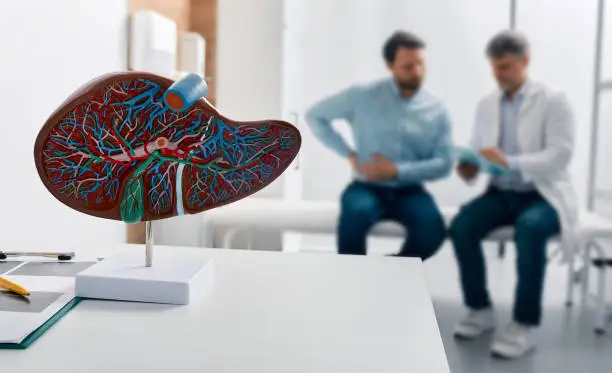
Learning how to improve liver function naturally involves making healthy lifestyle choices that reduce stress on the liver and support overall health. The liver plays an important role in processing nutrients, removing waste products and performing many essential functions in the body. Eating a balanced diet, maintaining a healthy weight, exercising regularly, limiting alcohol and being careful with medicines and supplements can help protect liver health. However, if liver function is already abnormal, the underlying cause should be identified rather than relying only on home remedies.
-
Eat a Balanced Diet
A healthy diet is one of the most important ways to support liver health.
Include plenty of vegetables, fruits, whole grains, beans, lean protein and healthy sources of fat. Limit highly processed foods and meals that contain excessive amounts of saturated fat, added sugar and salt.
- Eat a variety of vegetables
- Choose whole grains
- Include beans, fish, eggs and lean protein
- Limit highly processed foods
-
Maintain a Healthy Weight
Being overweight can increase the risk of fat accumulating in the liver.
If you are overweight, gradual weight loss through healthier eating and regular physical activity can help reduce liver fat and may improve inflammation associated with fatty liver disease.
Avoid crash diets and extreme fasting because rapid weight loss and poor nutrition can be harmful.
-
Exercise Regularly
Physical activity can support liver health even when significant weight loss does not occur.
Aim for regular activities such as brisk walking, cycling, swimming or dancing. Strength exercises can also be included as part of a balanced routine.
- Walk regularly
- Reduce prolonged sitting
- Include moderate exercise
- Add strength training when appropriate
-
Limit or Avoid Alcohol
Excessive alcohol consumption can damage liver cells and contribute to liver disease.
If you already have liver disease, avoiding alcohol completely may be recommended. If you are concerned about your liver function, discuss alcohol use with a healthcare professional.
-
Reduce Sugary Drinks
Large amounts of added sugar, particularly from soft drinks and other sweetened beverages, can contribute to excess calorie intake and may increase the risk of fatty liver disease.
Choose water or unsweetened drinks more often.
- Limit sugary sodas
- Reduce sweetened juices and drinks
- Choose water regularly
- Limit foods with large amounts of added sugar
-
Choose Healthy Fats
Not all fats have the same effect on health.
Choose healthier unsaturated fats from foods such as fish, nuts, seeds and avocados while limiting foods high in saturated and trans fats.
This can support overall metabolic health and may be beneficial for people with fatty liver disease.
-
Drink Enough Water
Adequate hydration supports normal body functions.
Choose water as your main drink and drink regularly throughout the day. There is no need to use special “liver detox” drinks to support the liver.
-
Be Careful With Medicines
Some medicines can affect the liver, particularly when taken incorrectly or in excessive amounts.
Follow the recommended dose and avoid combining medicines without checking whether they are safe together.
If you regularly take prescription or over-the-counter medicines, ask a healthcare professional whether they are appropriate for you.
-
Be Careful With Herbal Supplements
Natural does not always mean safe for the liver.
Some herbal products and dietary supplements can cause liver injury, particularly when taken in high doses or combined with other products.
Avoid using “liver detox” supplements without professional advice, especially if you already have abnormal liver tests or liver disease.
-
Protect Yourself From Hepatitis
Some types of hepatitis can damage the liver.
Practising good hygiene, avoiding contact with contaminated blood and following appropriate vaccination recommendations can help reduce the risk of certain viral hepatitis infections.
If you believe you may have been exposed to hepatitis, seek medical advice and testing.
-
Get Enough Sleep and Manage Stress
Good sleep and stress management support overall health and can make it easier to maintain healthy eating and exercise habits.
Maintain a regular sleep schedule and find healthy ways to manage stress, such as walking, relaxation exercises, social activities or hobbies.
-
Monitor Blood Sugar and Cholesterol
Conditions such as diabetes, insulin resistance and abnormal cholesterol levels are associated with fatty liver disease.
If you have these conditions, follow your healthcare professional’s treatment plan and maintain healthy eating and physical activity habits.
-
Avoid Unnecessary Detoxes
The liver already performs its own natural detoxification processes.
Juice cleanses, extreme fasting and unproven detox products are not necessary for maintaining a healthy liver and may sometimes cause problems.
Focus instead on balanced nutrition, regular exercise, healthy weight management and avoiding substances that can damage the liver.
-
Know When to Get Your Liver Checked
Liver disease can sometimes develop without obvious symptoms.
If you have persistent fatigue, yellowing of the eyes or skin, dark urine, abdominal swelling, unexplained weight loss or persistent abdominal discomfort, seek medical evaluation.
Liver blood tests and other investigations can help identify whether there is a problem.
-
Treat Existing Liver Problems Properly
Lifestyle changes can support liver health, but they are not a replacement for medical treatment when liver disease is present.
Conditions such as hepatitis, fatty liver disease, cirrhosis and other liver disorders may require specific treatment and monitoring.
If your liver tests are abnormal, work with a healthcare professional to identify and address the underlying cause.
Also Read: How to Improve RAM in Laptop

