


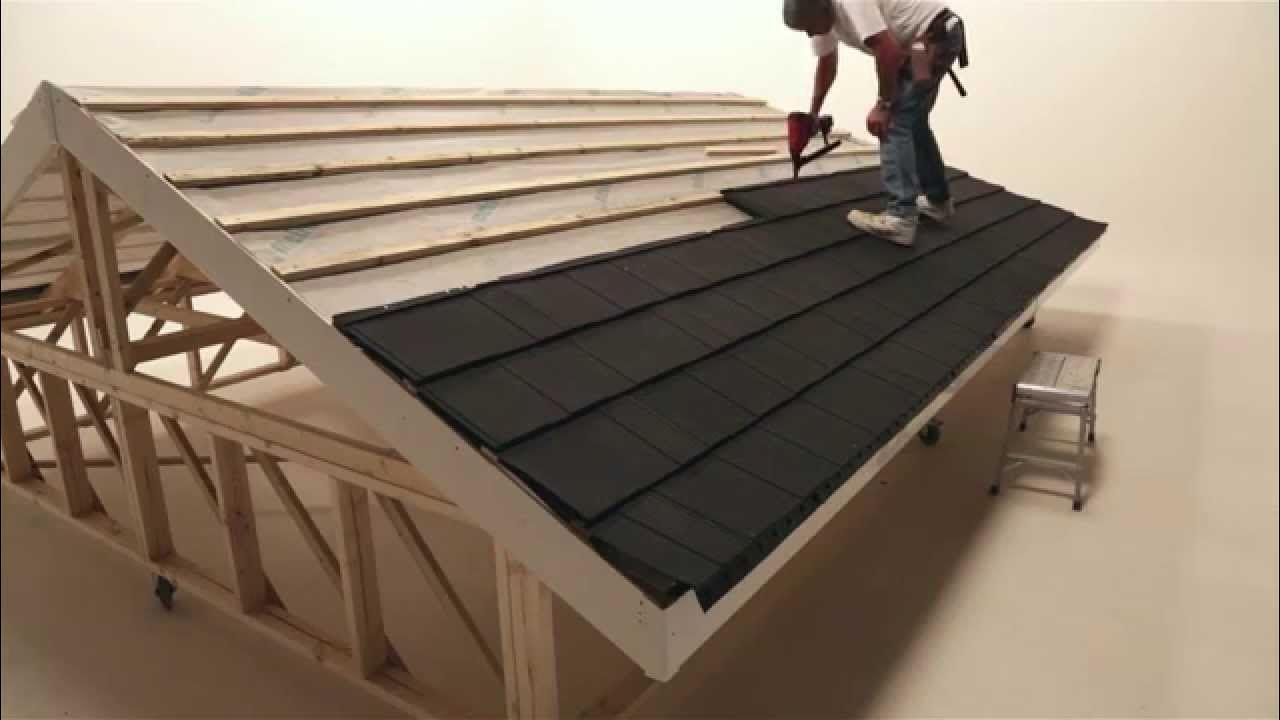
Harvey tiles are lightweight, durable roofing materials made from steel or aluminum and coated with a stone finish for added strength and aesthetic appeal. Commonly used in residential and commercial roofing, they offer long-lasting protection and easy maintenance. Installing Harvey tiles requires precision, proper alignment, and some basic roofing tools. Here is a clear guide on how to install Harvey tiles.
- Prepare the Roof Structure
Ensure that the roof trusses and battens are properly spaced and strong enough to support Harvey tiles. The recommended batten spacing is typically 368 mm from center to center, but you should always follow the manufacturer’s instructions. The entire structure must be level, secure, and free from rot or damage. - Install Underlay and Flashing
Begin by laying a waterproof underlay or membrane over the battens. This acts as a secondary barrier against moisture. Overlap the sheets and secure them with nails or staples. Next, install flashing around valleys, chimneys, and roof edges to prevent water from seeping into gaps. - Start from the Bottom Edge
Always begin tile installation at the bottom edge of the roof, also known as the eaves, and work your way upward. Lay the first row of Harvey tiles across the entire width of the roof, ensuring they overhang slightly to allow water to run off into the gutters. - Fix the Tiles to the Battens
Each tile is fixed to the battens using Harvey tile nails or screws through the designated fastening points. Make sure each tile locks properly with the previous one, forming a secure and tight overlap. Do not overtighten the fasteners, as this could damage the tile coating or distort the tile. - Continue Upwards and Across
After securing the first row, move to the next row above, making sure the tiles are staggered and properly aligned. Repeat this process until you reach the ridge of the roof. Always check that tiles remain in a straight line to maintain uniformity. - Install Ridge and Hip Tiles
Once the main field of tiles is complete, install specially shaped ridge and hip tiles along the top and corners of the roof. These are fixed using ridge clips or screws and seal off the roof to prevent water ingress. - Inspect the Roof
After installation, inspect the entire roof for loose tiles, uneven rows, or gaps. Ensure all flashing is tight and that the roof is secure and weatherproof.
Also Read: How To Grow Strawberries In Pots
Email your news TIPS to Editor@Kahawatungu.com — this is our only official communication channel
