


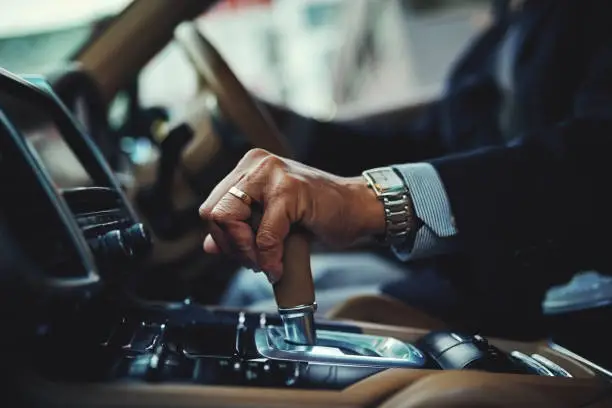
How to kick start an automatic car is a question many drivers ask when faced with a dead battery or ignition problem. Unlike manual cars, automatic vehicles cannot be kick started in the traditional sense by pushing and releasing a clutch. However, there are safe and effective methods that can help you start an automatic car when it fails to turn on. Understanding these methods is important for emergencies, especially when professional help is not immediately available.
-
Understand why automatic cars cannot be kick started traditionally
Before attempting any solution, it is important to understand how automatic cars work. Automatic vehicles do not have a clutch that allows the engine to engage through motion alone. This means pushing the car to start the engine is not possible. Common reasons an automatic car may not start include:
- A dead or weak battery
- Loose or corroded battery terminals
- Faulty starter motor
- Ignition or fuel system issues
Knowing the cause helps you choose the safest and most effective solution.
-
Jump start the automatic car using jumper cables
The most reliable way to start an automatic car with a dead battery is by jump starting it. This method uses power from another vehicle. The correct process involves:
- Parking the working car close enough without touching
- Connecting positive cable to positive battery terminals
- Connecting negative cable to the working battery and a metal surface on the dead car
- Starting the working car before attempting to start the automatic car
This method is safe and effective when done correctly.
-
Use a portable jump starter
A portable jump starter is a convenient alternative if no other vehicle is available. These compact devices store power and can start your car quickly. Important points include:
- Ensure the jump starter is fully charged
- Connect the clamps correctly to the battery terminals
- Follow manufacturer instructions carefully
Portable jump starters are ideal for emergencies and regular drivers.
-
Check the gear position and brake system
Sometimes the car may fail to start due to simple issues unrelated to the battery. Automatic cars are designed not to start unless certain conditions are met. Always confirm that:
- The gear lever is in Park or Neutral
- The brake pedal is fully pressed
- The steering wheel is not locked
These checks can save time and prevent unnecessary troubleshooting.
-
Inspect battery connections and fuses
Loose battery terminals or blown fuses can prevent the car from starting. A quick inspection may resolve the problem. Look out for:
- Corrosion on battery terminals
- Loose or damaged cables
- Burnt or faulty fuses
Tightening connections or replacing a fuse can restore power.
-
Know when to seek professional help
If jump starting does not work, the issue may be mechanical or electrical. Continuing to force the car to start can cause damage. Signs you need professional assistance include:
- Repeated clicking sounds
- Engine cranking but not starting
- Warning lights remaining on
Calling a mechanic or roadside assistance ensures safety and prevents further damage.
Also Read: How to Introduce Yourself to a Girl on WhatsApp
Email your news TIPS to Editor@Kahawatungu.com — this is our only official communication channel
