


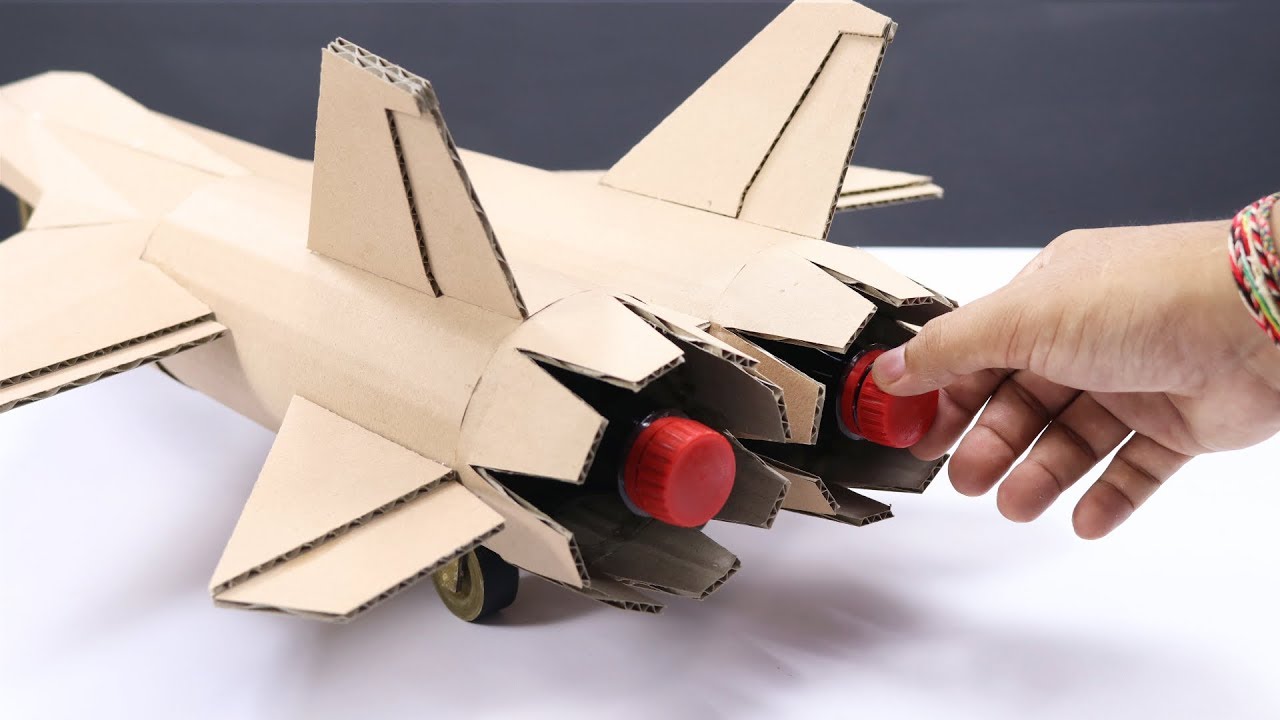
How to make a jet is a fun and engaging activity that is commonly done as a school project, a science experiment, or a simple craft at home. In most cases, this refers to making a model jet, such as a paper jet or cardboard jet, rather than a real aircraft. Creating a jet model helps learners understand basic aerodynamics, creativity, and design while using simple and safe materials.
-
Decide the type of jet to make
Before you begin, choose the kind of jet you want to create. The most common and easy options include:
- Paper jet
- Cardboard jet
- Recycled-material jet model
Choosing the type helps you gather the right materials and plan the design.
-
Gather the required materials
The materials depend on the jet model you choose. For a simple paper jet, you will need:
- A sheet of paper
- A flat surface
- Optional markers or stickers for decoration
For cardboard models, glue and scissors may also be needed.
-
Understand the basic jet shape
A jet usually has a long body, pointed nose, wings, and a tail. Knowing these basic parts helps with accurate construction. Key parts include:
- Nose cone
- Main body
- Wings
- Tail fins
Understanding the shape improves flight and appearance.
-
Fold or build the jet body
For a paper jet, start by folding the paper lengthwise to create a center line. Then:
- Fold the top corners inward to form a pointed nose
- Fold the paper again along the center line
- Press folds firmly for sharp edges
A tight fold helps the jet fly straighter.
-
Create and shape the wings
Wings are essential for flight and balance. To make them:
- Fold both sides downward evenly
- Ensure both wings are the same size
- Adjust wing angle slightly upward for better lift
Balanced wings improve stability in the air.
-
Add tail fins for stability
Tail fins help control direction. You can:
- Fold small vertical fins at the back
- Add extra paper pieces for cardboard models
These fins help keep the jet steady while flying.
-
Test and adjust the jet
Testing helps you improve performance. When testing:
- Throw the jet gently, not too hard
- Observe how it flies
- Adjust wing angles if it dives or spins
Small adjustments can greatly improve flight.
-
Decorate the jet
Decoration makes the jet more exciting, especially for school projects. You can add:
- Airline logos
- Windows and doors
- Color patterns
Decorating does not affect flight if done lightly.
-
Present or use the jet for learning
Your jet is now complete. You can:
- Use it for play
- Demonstrate aerodynamics
- Submit it as a school project
Clear presentation adds educational value.
Also Read: How to Make a Generator Silent
Email your news TIPS to Editor@Kahawatungu.com — this is our only official communication channel
