


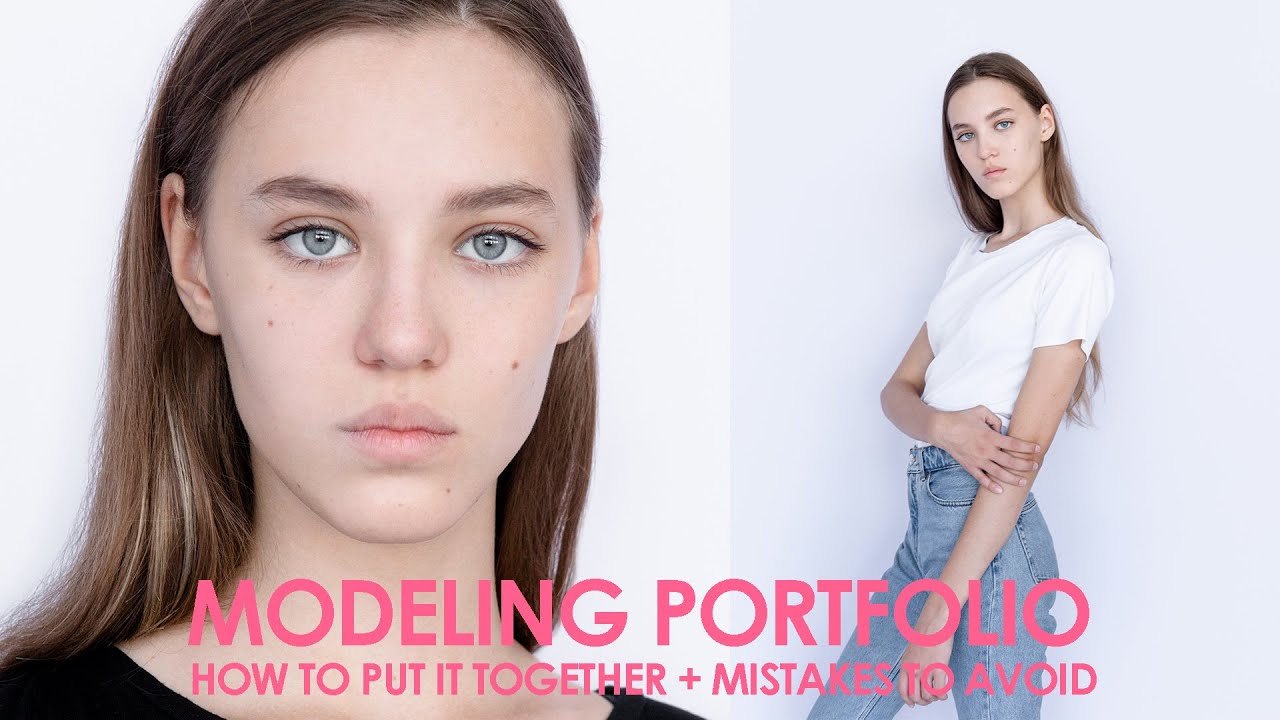
Creating a modeling portfolio is an essential step for anyone looking to start or grow a career in modeling. It serves as your visual résumé, showcasing your best looks, poses, and versatility in front of the camera. A strong portfolio helps agencies and clients see your potential and professionalism, whether you’re aiming for fashion, commercial, fitness, or other types of modeling. Here is how to make a modeling portfolio.
- Understand What Type of Modeling You Want to Do
Before starting your portfolio, decide the kind of modeling that suits your body type and look—fashion, runway, commercial, fitness, beauty, or parts modeling. This helps you choose the right style of photos and poses that match the industry you’re targeting. - Hire a Professional Photographer
Quality matters in modeling. Work with an experienced fashion or portrait photographer who understands lighting, angles, and how to capture your best features. Choose someone who has worked with models before and can guide you during the shoot to bring out your natural expressions and posture. - Plan a Variety of Looks
Your portfolio should show your range. Include different outfits, hairstyles, and facial expressions to reflect how adaptable you are. Have both close-up shots and full-body images. For a complete portfolio, include a headshot (natural and with light makeup), profile shots, a smiling image, and a serious or high-fashion pose. - Keep It Natural and Simple
Don’t over-edit or wear too much makeup in your portfolio photos. Agencies want to see what you really look like. Wear fitted clothing that shows your body’s proportions clearly, especially for the first set of shots. Keep accessories minimal so the focus stays on you. - Include Essential Information
Besides photos, your portfolio should include your basic statistics like height, weight, hair and eye colour, clothing size, and shoe size. You can also add your name, contact information, and any past modeling experience if available. - Select and Print Your Best Photos
Choose 6 to 12 high-quality images that highlight your strengths. Avoid repeating similar poses. Only include your very best work. Print these in a standard 8”x10” size and place them in a clean, professional binder with plastic sleeves. This creates a physical portfolio that you can take to castings or meetings. - Create a Digital Portfolio
In addition to a printed book, create a digital version. You can build an online portfolio through a modeling website or social media page, or create a PDF to send to agencies. Make sure your online photos are clear, professional, and labelled properly.
Also Read: How To Maintain Discipline In The Classroom
Email your news TIPS to Editor@Kahawatungu.com — this is our only official communication channel
