


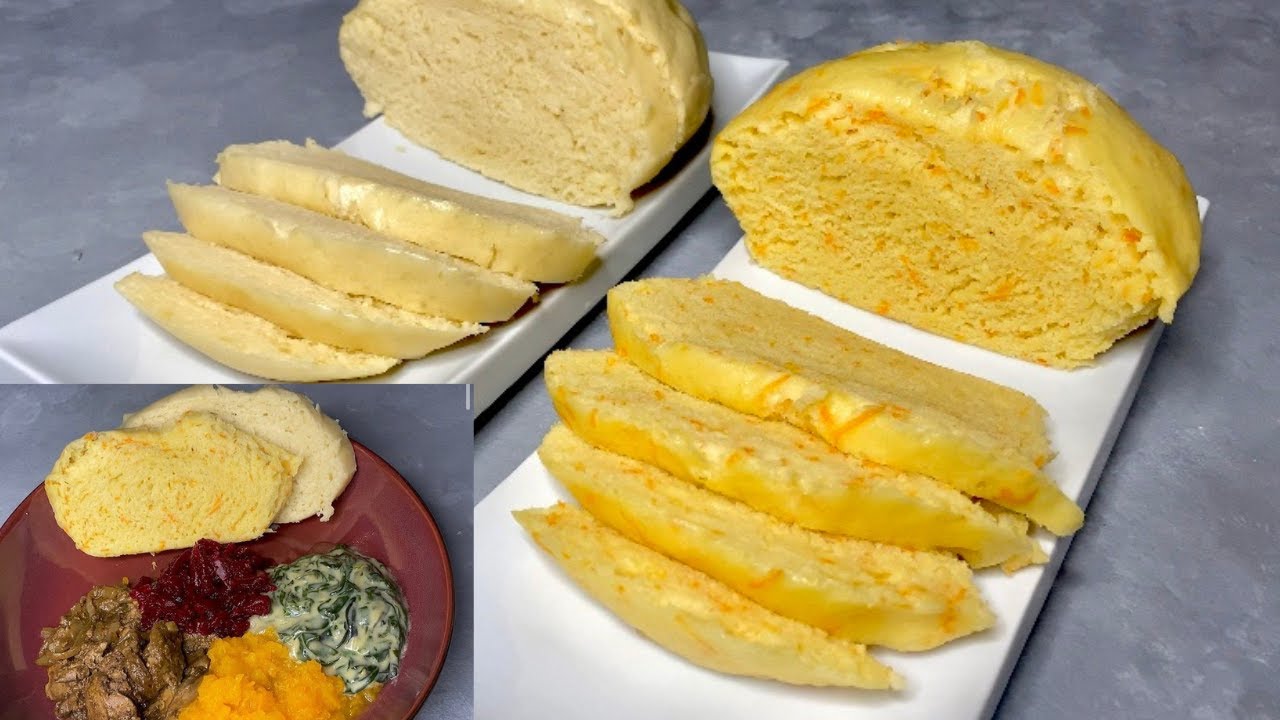
If you enjoy traditional Southern African cuisine, learning how to make jeqe is a valuable skill that brings comfort and heritage to your kitchen. Jeqe, also known as steamed bread, is a soft, fluffy bread commonly prepared in many households across South Africa. It is especially popular in Zulu cuisine, where it is served alongside hearty stews, curries, and braised meat dishes.
Unlike baked bread, jeqe is steamed, which gives it a moist texture and a tender crumb. It does not require an oven, making it accessible even in kitchens with limited equipment. With simple ingredients and careful preparation, you can achieve a light, satisfying loaf that pairs perfectly with savory meals.
-
Ingredients
Jeqe uses basic pantry ingredients, making it affordable and easy to prepare.
You will need:
- 4 cups all-purpose flour
- 1 packet instant dry yeast
- 1 teaspoon salt
- 1 tablespoon sugar
- 1½ to 2 cups warm water
- 1 tablespoon cooking oil
Make sure the water is warm, not hot. Water that is too hot can kill the yeast and prevent the dough from rising.
-
Mix the Dry Ingredients
In a large mixing bowl, combine:
- Flour
- Yeast
- Salt
- Sugar
Stir the dry ingredients evenly to distribute the yeast properly. Even mixing helps the dough rise uniformly.
-
Add Water and Form the Dough
Gradually pour the warm water into the flour mixture while mixing. Add the cooking oil and continue combining until a soft dough forms.
You may not need all the water. Add it slowly and stop once the dough comes together. The dough should be soft but not sticky.
-
Knead Until Smooth
Transfer the dough onto a lightly floured surface. Knead for about 8 to 10 minutes until smooth and elastic.
Proper kneading:
- Develops gluten
- Improves texture
- Helps the bread rise well
If the dough sticks too much, sprinkle a small amount of flour, but avoid adding too much as this can make the bread dense.
-
Let the Dough Rise
Place the kneaded dough into a lightly oiled bowl. Cover it with a clean kitchen towel or plastic wrap.
Allow it to rise in a warm place for about 1 hour or until it doubles in size.
During this stage:
- The yeast ferments
- Air pockets form
- The dough becomes light
Do not rush this process, as proper rising ensures soft jeqe.
-
Shape and Prepare for Steaming
Once the dough has risen, gently punch it down to release excess air. Shape it into a round loaf or divide it into smaller portions.
Grease a heatproof bowl or steaming dish and place the dough inside. Cover it loosely to allow for slight expansion during steaming.
-
Steam the Jeqe
Fill a large pot with a small amount of water and bring it to a boil. Place a steaming rack or upturned bowl inside the pot to keep the dough container above the water level.
Place the dough inside, cover the pot tightly, and steam for about 45 to 60 minutes.
Important tips:
- Do not open the lid frequently
- Check that water does not boil dry
- Keep the heat at medium to maintain steady steam
The jeqe is ready when a toothpick inserted in the center comes out clean.
-
Cool and Serve
Remove the steamed bread carefully and allow it to cool slightly before slicing.
Jeqe pairs beautifully with:
- Beef or chicken stew
- Curry dishes
- Braised tripe
- Gravy-rich meals
Its soft texture absorbs sauces well, making every bite flavorful.
Also Read: How to Make Floor Polish
Email your news TIPS to Editor@Kahawatungu.com — this is our only official communication channel
