


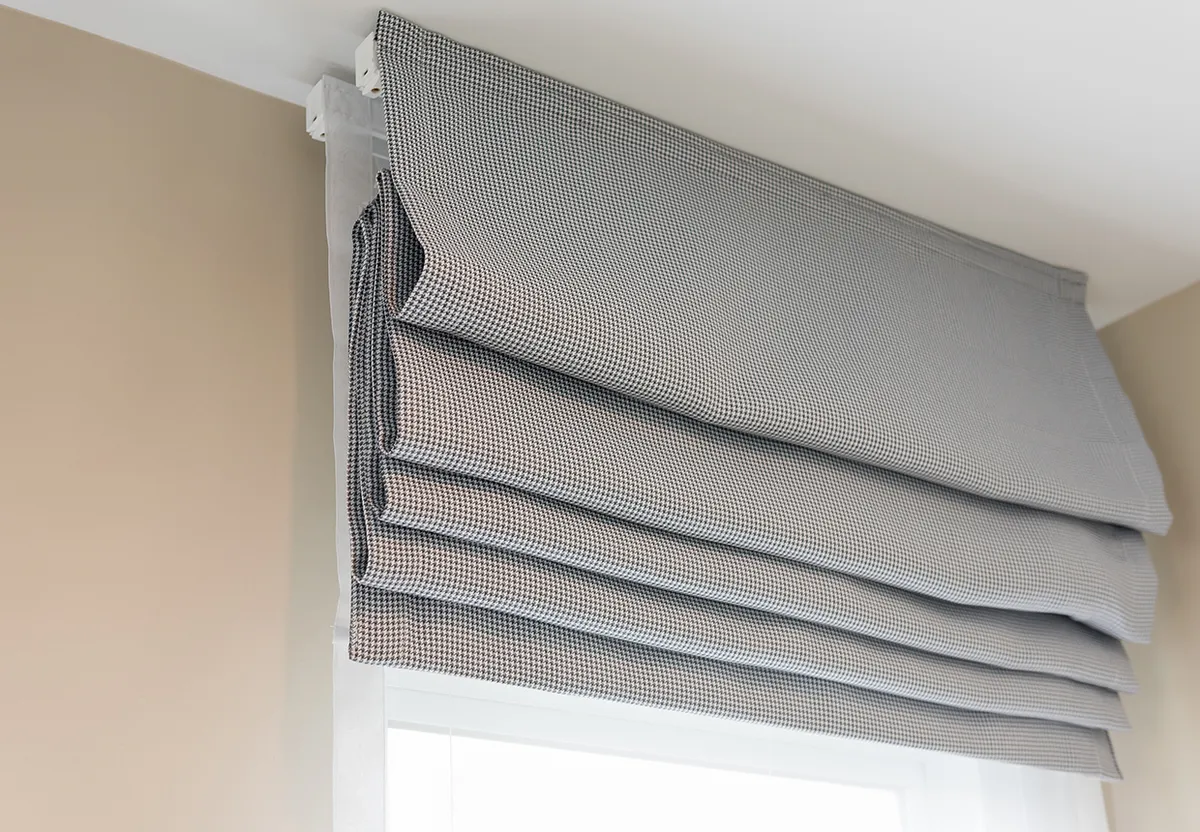
If you want to upgrade your windows with a clean, tailored finish, learning how to make Roman blinds is a practical and rewarding project. Roman blinds offer a neat, structured look that suits both modern and traditional interiors. Unlike ordinary curtains, they fold into soft horizontal pleats when raised, creating a polished appearance while still allowing natural light to filter through.
Roman blinds have long been associated with classic European interior design, particularly styles inspired by Rome, where structured window treatments complement architectural elegance. Today, they are popular worldwide because they are functional, space-saving, and customizable to suit any décor.
-
Materials
Before you begin, ensure you have the correct tools and supplies.
You will need:
- Curtain fabric of your choice
- Lining fabric
- Measuring tape
- Sewing machine
- Thread matching your fabric
- Roman blind tape or small plastic rings
- Wooden dowels or rods
- A mounting board
- Cord and cord cleat
- Scissors
- Pins and iron
Choosing medium-weight fabric works best, as it holds folds neatly without sagging.
-
Measure Your Window
Accurate measurements are essential.
Measure:
- The width of the window recess
- The desired drop length
Decide whether the blind will sit inside the window frame or outside. Add seam allowances and a small margin for hems.
Precise measurements ensure the blind hangs straight and operates smoothly.
-
Cut and Prepare the Fabric
Cut the main fabric and lining according to your measurements.
Place the fabrics right sides together and sew along the sides and bottom edge. Leave the top open.
Turn the fabric right side out and press flat with an iron to create crisp edges.
A smooth, well-pressed base is important for professional-looking results.
-
Create Rod Channels
Roman blinds require horizontal rods to form structured folds.
Mark horizontal lines across the back of the blind at equal intervals, usually 20 to 30 centimeters apart.
Sew blind tape along these lines or stitch small rings at even spacing.
Insert dowels or rods into the channels. These rods help the blind fold neatly when raised.
-
Attach the Mounting Board
Secure the top of the blind to a wooden mounting board using staples or strong adhesive Velcro.
The mounting board should match the width of the blind.
Ensure it is firmly attached so the blind remains stable during use.
-
Thread the Cords
Thread the cord vertically through the rings from bottom to top on each column.
Pull all cords to one side and tie them together securely.
Attach a cord cleat to the wall to hold the blind in position when raised.
Important points:
- Keep cords evenly spaced
- Ensure cords move smoothly
- Test before final installation
-
Install the Blind
Mount the board above or inside the window frame using screws.
Once installed, test the mechanism by gently pulling the cords.
The blind should:
- Rise evenly
- Form neat horizontal folds
- Lower smoothly without twisting
Adjust cord tension if needed.
-
Finishing Touches
Trim excess cords and secure knots firmly.
Iron the blind once more for crisp pleats.
You may also add decorative trims or edging for a customized look.
Also Read: How to Make Finger Puppets
Email your news TIPS to Editor@Kahawatungu.com — this is our only official communication channel
