

How To Manage Drought

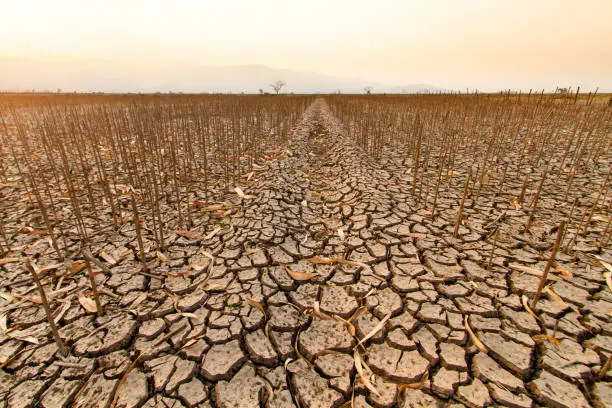
Drought is a period of prolonged dry weather that leads to water shortages, affecting agriculture, wildlife, and human life. Managing drought involves preparation, conservation, and community efforts to reduce its impact. Whether you’re a farmer, a policymaker, or a concerned resident, here are practical steps on how to manage drought effectively.
- Use Water Wisely
The first step in managing drought is to reduce water wastage. At home, use water-efficient fixtures like low-flow taps and toilets. Turn off taps when not in use, fix leaks promptly, and reuse greywater for gardening or cleaning. In agriculture, adopt drip irrigation or watering during cooler hours to reduce evaporation.
Every drop counts during a drought, so small actions collectively make a big difference.
- Harvest and Store Rainwater
Rainwater harvesting is an effective way to save water for dry periods. Install tanks or barrels to collect rainwater from rooftops. This water can be used for irrigation, cleaning, or livestock. In rural areas, building ponds or small dams can help store rainwater for community use.
Proper storage prevents water loss through runoff and provides backup during water restrictions.
- Grow Drought-Resistant Crops
In farming, choosing the right crops can make a big difference during droughts. Plant drought-tolerant crops like millet, sorghum, or cassava, which require less water to grow. Use mulch to retain soil moisture and reduce evaporation.
Intercropping and crop rotation also improve soil health and help manage water more efficiently.
- Educate and Involve the Community
Drought management works best when everyone participates. Educate your community about water conservation, planting trees, and preparing for dry seasons. Schools, local groups, and farmers’ associations can run awareness programs and share best practices.
Community water committees can also help manage local resources fairly and sustainably.
- Improve Water Infrastructure
Governments and local authorities can reduce the impact of drought by investing in infrastructure. This includes repairing old water pipes, building water reservoirs, and improving distribution networks. In some areas, drilling boreholes or creating desalination plants can provide alternative water sources.
Efficient systems reduce loss and ensure water reaches where it’s needed most.
- Monitor Weather and Plan Ahead
Stay informed through weather forecasts and early warning systems. Governments and organizations can use satellite data to predict drought and take action in advance. Farmers can plan planting seasons based on rainfall patterns and prepare storage for feed and water.
Also Read: How To Make Sugar
Planning helps reduce panic and ensures better resource management during drought periods.
- Support Affected People and Livestock
During severe droughts, humanitarian support may be necessary. Distribute emergency water supplies, food aid, and animal feed to affected regions. Set up feeding stations or water points for livestock and wildlife to reduce loss.
Long-term solutions should focus on building resilience rather than just short-term relief.