


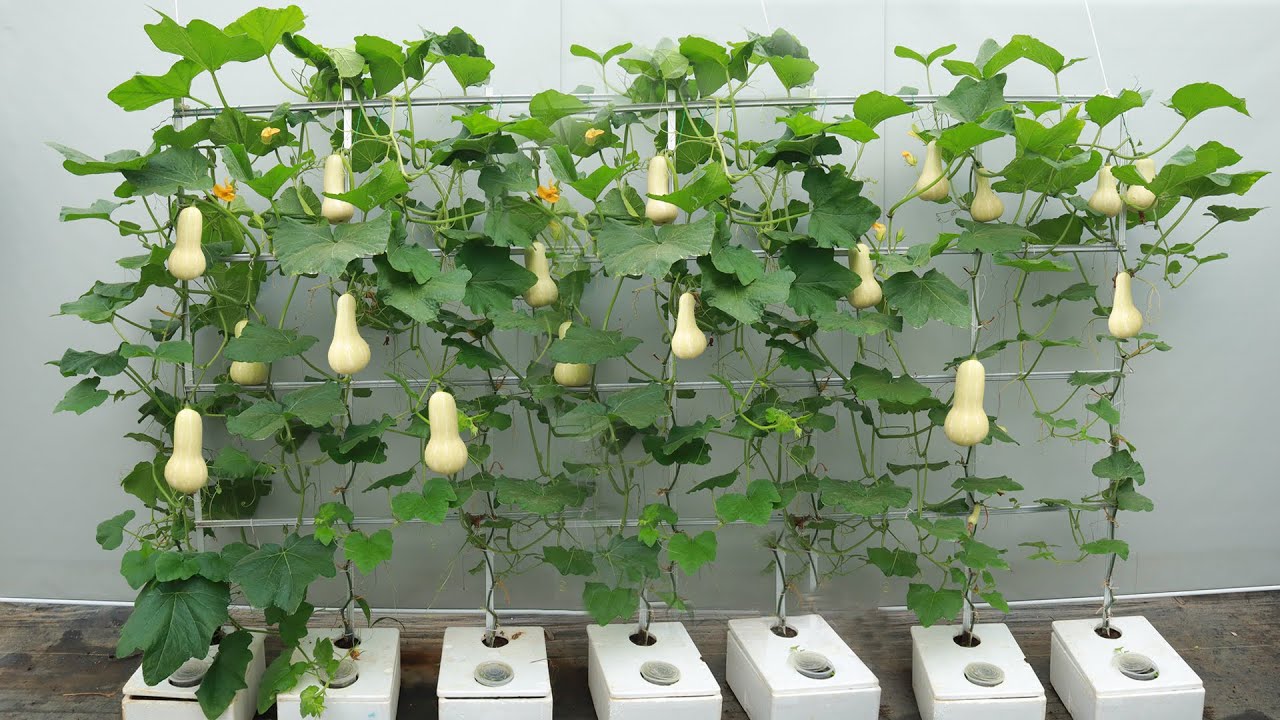
Learning how to plant butternut seeds is a great way to grow a nutritious and versatile vegetable at home. Butternut, also known as butternut squash, is popular for its sweet flavor and can be used in soups, stews, and roasted dishes. It thrives in warm conditions and is relatively easy to grow with proper care.
Planting butternut seeds correctly ensures strong growth, healthy vines, and a good harvest. With the right preparation, spacing, and maintenance, you can successfully grow butternut in your garden or backyard.
-
Choose the Right Planting Time
Timing is important for successful growth.
- Plant butternut seeds during warm seasons
- Ensure there is no risk of frost
- Soil temperature should be warm for proper germination
- In most regions, planting is best in spring or early summer
Warm conditions help seeds germinate quickly and grow well.
-
Select a Suitable Location
Butternut plants need space and sunlight.
- Choose an area with full sunlight
- Ensure the soil drains well
- Provide enough space for vines to spread
- Avoid planting in shaded or waterlogged areas
A good location supports healthy plant development.
-
Prepare the Soil
Soil preparation improves plant growth and yield.
- Loosen the soil using a hoe or garden fork
- Remove weeds and stones
- Add compost or organic matter for nutrients
- Ensure the soil is rich and well-aerated
Healthy soil gives butternut plants the nutrients they need.
-
Plant the Seeds
Planting correctly ensures strong seedlings.
- Make small holes about 2–3 cm deep
- Place 2–3 seeds in each hole
- Space holes about 90–120 cm apart
- Cover lightly with soil
Proper spacing allows vines to grow freely without overcrowding.
-
Water the Seeds Regularly
Water is essential during early growth.
- Water immediately after planting
- Keep the soil moist but not waterlogged
- Water consistently, especially during dry periods
- Avoid overwatering to prevent root rot
Consistent watering helps seeds germinate and grow strong.
-
Care for the Growing Plants
Ongoing care ensures a healthy harvest.
- Thin seedlings to keep the strongest plants
- Remove weeds regularly
- Add mulch to retain moisture
- Watch for pests and treat early if needed
Also Read: How to Pack a Hiking Backpack
Email your news TIPS to Editor@Kahawatungu.com — this is our only official communication channel
