

How To Plant Clivia Seeds

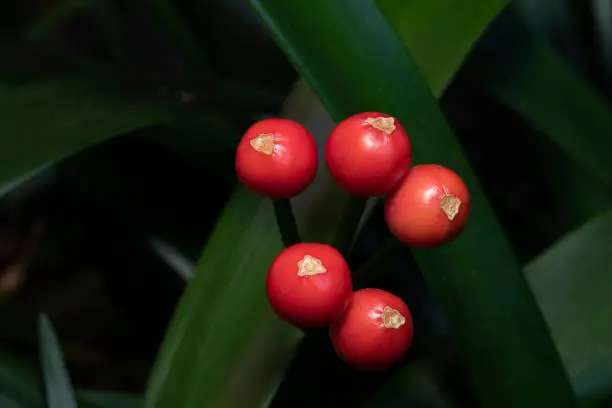
Clivia is a beautiful flowering plant known for its bold, trumpet-shaped blooms and lush green leaves. Growing clivia from seeds is a slow but rewarding process that allows you to enjoy the full life cycle of this ornamental plant. Here’s how to plant clivia seeds successfully.
- Collect or Buy Fresh Seeds
Clivia seeds are usually collected from ripe berries on a mature plant. These berries take several months to ripen and should turn soft and reddish or orange. You can also purchase fresh seeds from a reliable nursery or online seller. Avoid dried-out seeds, as they may not germinate.
- Clean and Prepare the Seeds
Carefully open the ripe berry and remove the seeds inside. Each seed is round and slightly sticky. Rinse them gently under lukewarm water to remove any pulp, then allow them to dry on a paper towel for a day.
Do not remove the seed coat. It helps protect the seed during germination.
- Prepare the Potting Mix
Use a light, well-draining potting mix. A combination of peat moss and perlite or vermiculite works well. You can also use a seedling mix or a mixture of fine bark and compost.
Fill a shallow tray or small pots with the moistened mix, and press it down gently to create a firm surface.
- Sow the Seeds
Place the seeds on the surface of the potting mix. Gently press each seed into the soil so that it is halfway buried, with the top half exposed. Space them a few centimeters apart to allow room for roots to develop.
You can cover the tray lightly with plastic or place it in a covered container to create a mini greenhouse effect.
- Provide Warmth and Moisture
Clivia seeds need a warm, humid environment to germinate. Keep the container in a bright, indirect light location, avoiding direct sun. The ideal temperature is around 20–25°C (68–77°F).
Keep the potting mix lightly moist, not soggy. Mist with water when the surface feels dry.
- Wait for Germination
Clivia seeds are slow to sprout. Germination may take between 4 to 8 weeks or longer, depending on conditions. First, you’ll see small roots forming, followed by a green shoot. Be patient and avoid disturbing the seeds during this time.
- Transplant the Seedlings
Once the seedlings have produced roots and a few leaves (usually after 3–6 months), gently lift them and transplant each one into its own small pot with a rich potting mix. Handle them carefully to avoid damaging the roots.
Water after transplanting and keep them in bright, indirect light.
- Continue Care and Growth
Clivia seedlings grow slowly. Water them moderately, and do not let the soil become soggy. Fertilize lightly once a month during the growing season with a balanced liquid fertilizer.
It may take 3 to 5 years for clivia grown from seed to bloom, but the result is a healthy, long-living plant that can thrive for decades.
Also Read: How To Make Sugar