


Potatoes are one of the most rewarding crops to grow, providing a high yield with relatively little effort. In South Africa, the climate and soil conditions in many regions make it possible to cultivate potatoes successfully. With proper preparation, planting, and care, you can grow healthy potatoes for home use or commercial production. Here is how to plant potatoes in South Africa.
Best Time to Plant Potatoes
The ideal time to plant potatoes in South Africa depends on the region. Generally, the best planting seasons are:
- Summer rainfall regions (e.g., Gauteng, Mpumalanga, Free State, and KwaZulu-Natal) – Plant between August and December.
- Winter rainfall regions (e.g., Western Cape) – Plant from May to August.
- Frost-free coastal areas (e.g., Eastern Cape, parts of KwaZulu-Natal, and Limpopo) – Potatoes can be grown year-round.
Choosing the Right Seed Potatoes
Always use certified seed potatoes rather than supermarket potatoes, as they are disease-free and produce better yields. Choose firm, healthy potatoes with visible “eyes” or buds.
Before planting, you can pre-sprout the seed potatoes by placing them in a cool, dry, and well-lit area for a few weeks. This helps speed up germination.
Preparing the Soil
Potatoes need loose, well-draining soil that is rich in organic matter. A sandy loam or well-prepared garden soil works best. Follow these steps to prepare the planting area:
- Remove weeds and debris from the soil.
- Dig the soil to a depth of about 30 cm and loosen it to allow for proper tuber growth.
- Mix in compost or well-rotted manure to improve fertility.
- Ensure the soil pH is between 5.0 and 6.0. If the soil is too acidic, add agricultural lime.
How to Plant Potatoes
- Dig Trenches – Make trenches about 10–15 cm deep and 60 cm apart to allow enough space for the plants to grow.
- Place the Seed Potatoes – Cut large seed potatoes into smaller pieces, ensuring each piece has at least one or two eyes. Place the pieces in the trench with the cut side down and the sprouted eyes facing up.
- Spacing – Keep seed potatoes about 30 cm apart within the trench.
- Cover with Soil – Lightly cover the potatoes with soil, about 5 cm deep. As the plants grow, gradually mound more soil around them.
Caring for Potato Plants
- Watering – Potatoes need consistent moisture, especially during the early stages of growth. Water the plants about twice a week, but avoid overwatering, as soggy soil can cause rot.
- Hilling Up – When the potato plants reach about 15 cm in height, mound soil around the base of the plant to cover the lower stems. This encourages tuber development and prevents potatoes from being exposed to sunlight, which can turn them green and toxic.
- Weeding – Keep the area free of weeds that compete for nutrients and moisture. Hand-pulling weeds is preferable to avoid disturbing the roots.
- Fertilizing – Apply a balanced fertilizer rich in nitrogen, phosphorus, and potassium every few weeks to support growth.
Common Pests and Diseases
- Potato blight – A fungal disease that causes brown spots on leaves. To prevent it, avoid overhead watering and ensure good air circulation.
- Aphids and potato beetles – These pests can damage leaves and reduce yields. Use organic insecticides or introduce natural predators like ladybugs.
- Wireworms and nematodes – These soil-borne pests attack tubers. Rotate crops regularly to reduce their presence.
Harvesting Potatoes
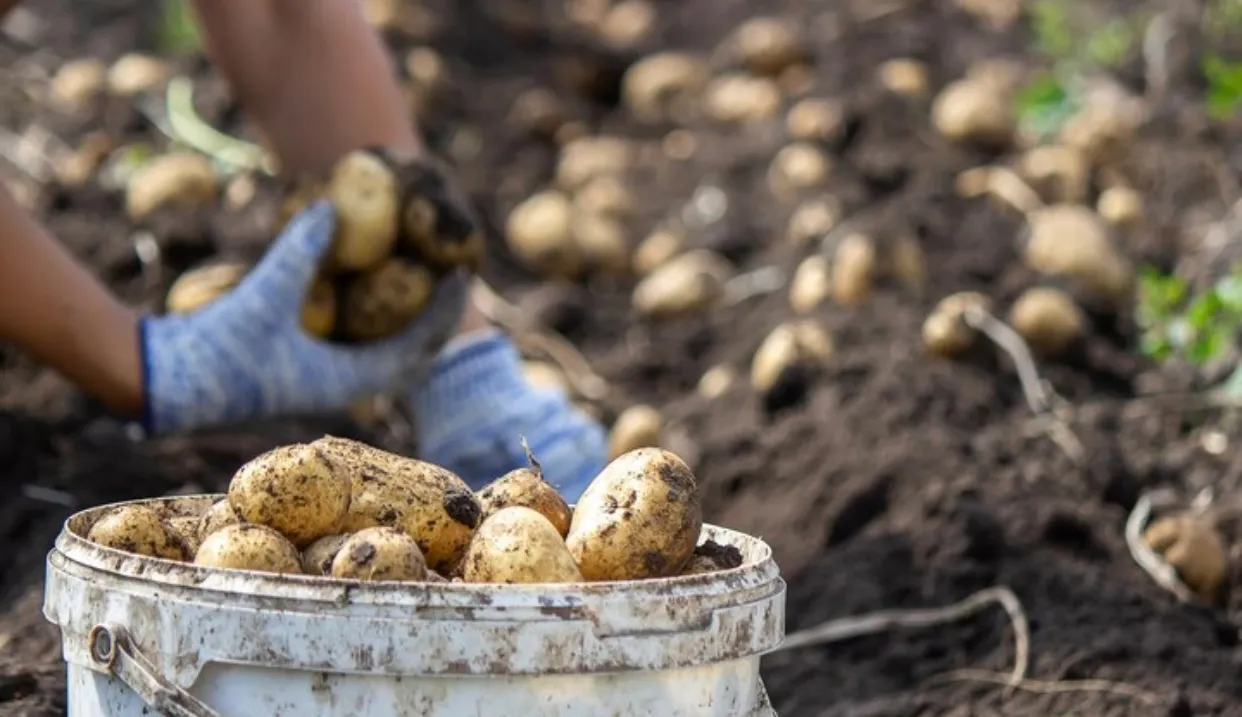
Potatoes are ready for harvest when the plants begin to yellow and die back, usually about 90–120 days after planting. Carefully dig around the base of the plants with a fork to avoid damaging the tubers. Let freshly harvested potatoes cure in a dry, shaded area for a few days before storing them in a cool, dark place.
Also Read: How To Plant A Litchi Tree
Email your news TIPS to Editor@Kahawatungu.com — this is our only official communication channel
