

How to Read an Insulin Syringe

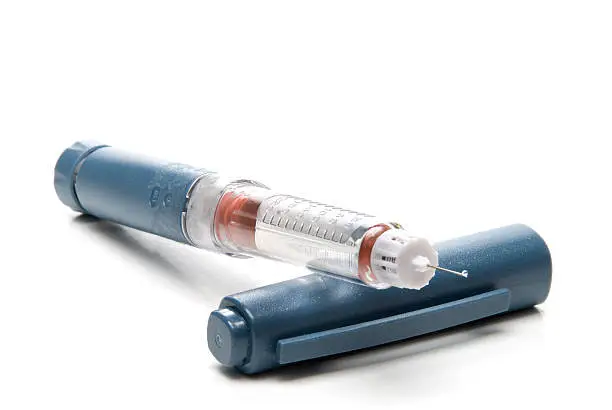
Learning how to read an insulin syringe is important for anyone who uses insulin to manage diabetes or assists someone with insulin injections. An insulin syringe has markings that help measure the correct amount of insulin before administration. Understanding these markings can help prevent dosing errors, which may cause dangerously low or high blood sugar levels. The most important thing is to identify the syringe type, understand its measurements, and follow the prescribed insulin dose.
-
Identify the Type of Insulin Syringe
Insulin syringes come in different sizes depending on the amount of insulin they can hold. Common capacities include:
- 30-unit syringe, which holds up to 30 units.
- 50-unit syringe, which holds up to 50 units.
- 100-unit syringe, which holds up to 100 units.
The syringe capacity is usually printed on its barrel. Always check this information before drawing insulin.
-
Understand the Insulin Concentration
Insulin concentration refers to the number of insulin units contained in one millilitre of liquid.
Common concentrations include:
- U-100: Contains 100 units of insulin per millilitre.
- U-40: Contains 40 units of insulin per millilitre.
- U-500: Contains 500 units of insulin per millilitre.
The syringe must match the insulin concentration. For example, a U-100 insulin syringe is designed for U-100 insulin. Using the wrong syringe can result in a serious dosing error.
-
Understand the Markings on the Syringe
The markings on the syringe barrel indicate the number of insulin units being measured. Larger numbers identify major measurements, while smaller lines represent individual units or groups of units, depending on the syringe.
For example, on a U-100 syringe:
- 10 represents 10 units.
- 20 represents 20 units.
- 30 represents 30 units.
- 50 represents 50 units.
Check the spacing and printed numbers carefully because not all syringes have identical markings.
-
Know Where to Read the Measurement
When measuring insulin, look at the top edge of the rubber stopper closest to the needle. This is the edge used to determine the dose.
Hold the syringe at eye level to read the measurement accurately. Avoid estimating the dose from an angle because this can lead to mistakes.
-
Learn How to Measure Insulin
Follow these general preparation principles:
- Wash your hands before handling the syringe and insulin.
- Check the insulin name, concentration, expiry date, and appearance.
- Use a syringe that matches the insulin concentration.
- Draw the prescribed amount according to your healthcare professional’s instructions.
- Remove large air bubbles and recheck the measurement before administration.
Never change your prescribed dose based on guesswork.
-
Avoid Common Insulin Syringe Mistakes
Some mistakes can cause serious complications. Always avoid:
- Using a U-100 syringe with U-40 insulin or the wrong concentration.
- Confusing millilitres with insulin units.
- Reading the syringe from the wrong edge of the stopper.
- Using a syringe with unclear or damaged markings.
- Reusing or sharing insulin syringes.
- Guessing a dose when the markings are difficult to understand.
-
Ask for Professional Guidance When Unsure
If you are unfamiliar with insulin syringes, ask a nurse, pharmacist, or diabetes educator to demonstrate how to measure the correct dose. Have them confirm that your syringe matches your insulin concentration.
Also Read: How to Read a Tape Measure

