


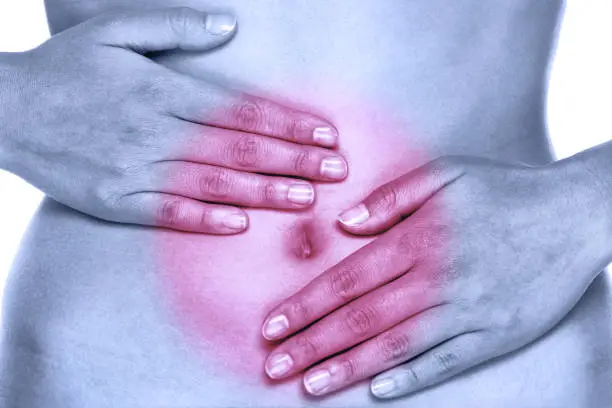
Abortion, whether medical or surgical, can cause varying levels of discomfort. While pain levels differ from person to person, there are ways to manage and reduce the discomfort effectively. Understanding what to expect and how to relieve pain can help make the experience more manageable. Here is how to reduce abortion pain.
Managing Pain During a Medical Abortion
A medical abortion involves taking pills (usually mifepristone and misoprostol) to terminate a pregnancy. This process can cause cramping and bleeding, similar to a heavy period or miscarriage.
- Pain Medication: Over-the-counter pain relievers like ibuprofen (Advil) or naproxen can help reduce cramping. Avoid aspirin, as it can increase bleeding.
- Heating Pad or Warm Compress: Applying heat to the lower abdomen can relax muscles and relieve cramps.
- Rest and Hydration: Staying hydrated and resting in a comfortable position can ease discomfort.
- Gentle Movement: Light stretching or walking may help improve circulation and reduce cramps.
Reducing Pain After a Surgical Abortion
A surgical abortion, performed in a clinic, is typically quick, but mild to moderate cramping can occur afterward.
- Take Prescribed Pain Relief: Your doctor may recommend ibuprofen or other painkillers to manage discomfort.
- Use Heat Therapy: A heating pad or warm bath can help soothe cramps.
- Avoid Strenuous Activities: Resting for a day or two can prevent additional discomfort.
- Stay Hydrated and Eat Light Meals: This can help prevent nausea and support recovery.
Emotional and Physical Support
Pain isn’t just physical—emotional discomfort can also arise. Having a supportive friend, partner, or counselor to talk to can help ease stress and anxiety. Deep breathing, meditation, or distraction techniques like watching a movie or listening to music may also provide relief.
When to Seek Medical Help
While cramping and bleeding are normal, seek medical attention if you experience:
- Severe pain that doesn’t improve with medication
- Heavy bleeding (soaking through more than two pads per hour)
- Fever or chills, which could indicate an infection
- Dizziness or fainting
Also Read: How To Pronounce “Veuve Clicquot”
Email your news TIPS to Editor@Kahawatungu.com — this is our only official communication channel
