How to Wash Pillows

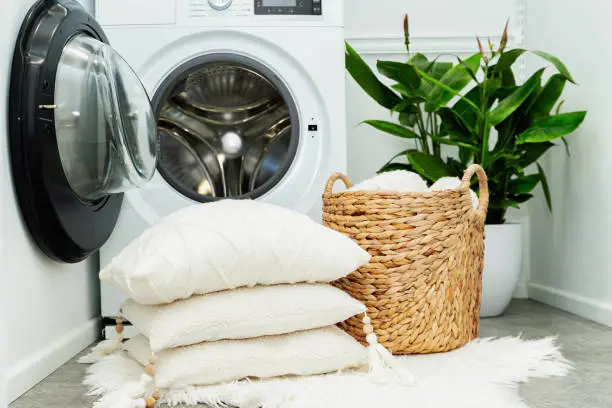
Washing pillows is an important part of maintaining a clean, comfortable, and healthy sleeping environment. Over time, pillows accumulate sweat, body oils, dust, dead skin cells, and unpleasant smells, even when covered with pillowcases. Knowing how to wash pillows properly helps remove dirt, freshen them up, and extend their lifespan without damaging their filling. Whether your pillows are made of cotton, polyester, feather, or down, using the correct washing and drying method is essential.
-
Check the Pillow’s Washing Instructions
Before washing your pillows, check the care label for the manufacturer’s cleaning instructions. Some pillows can be washed in a washing machine, while others require handwashing or spot cleaning. Memory foam and latex pillows, for example, should generally not be machine-washed because excessive water and agitation can damage their structure.
-
Remove Pillowcases and Covers
Remove pillowcases, protective covers, and any removable fabric layers before washing the pillows. Wash these separately according to their care instructions. Removing the covers allows you to clean the pillows more thoroughly and prevents dirt from being trapped underneath the fabric.
-
Treat Stains Before Washing
Inspect your pillows for sweat stains, yellowing, makeup, or other visible marks. Apply a small amount of mild liquid detergent to the stained areas and gently rub it using a clean, damp cloth. Allow the detergent to sit for a few minutes to loosen the dirt before washing the pillow.
-
Wash the Pillows Using Mild Detergent
If your pillows are machine-washable, place them in the washing machine. Washing two pillows together can help balance the load, provided your machine has enough space. Use a mild liquid detergent and select a gentle cycle with lukewarm or cool water, following the care label. Avoid using too much detergent because it can leave residue inside the pillow filling.
-
Rinse the Pillows Thoroughly
After washing, ensure the pillows are properly rinsed to remove soap and dirt. If your washing machine allows an additional rinse cycle, use it to remove detergent residue. Soap left inside the filling can make pillows feel stiff, attract dirt, or develop unpleasant smells over time.
-
Remove Excess Water Carefully
Once the washing cycle is complete, remove the pillows and check how much water they have absorbed. If the material allows, use a gentle spin cycle to remove excess moisture. Avoid twisting or squeezing pillows aggressively, as this can damage the filling and affect their shape.
-
Dry the Pillows Completely
Place the pillows in a well-ventilated area and allow them to dry thoroughly. If the care label permits tumble drying, use a low-heat setting. You can periodically fluff and reposition the pillows to help the filling dry evenly. Make sure the inside is completely dry before using them again to prevent mould, mildew, and unpleasant odours.
-
Fluff the Pillows and Restore Their Shape
Once the pillows are completely dry, gently shake and fluff them to redistribute the filling. Press them lightly from different sides to restore their original shape and softness. If the filling has formed clumps, gently separate them using your hands.
-
Protect the Pillows After Washing
To keep your pillows clean for longer, use pillow protectors underneath your pillowcases. Wash pillowcases regularly and allow your bedding to air out whenever possible. Pillow protectors help reduce the amount of sweat, oils, dust, and dirt that reach the pillows themselves.
Also Read: How to Wash Your Ears Properly