How to Wash Polyester

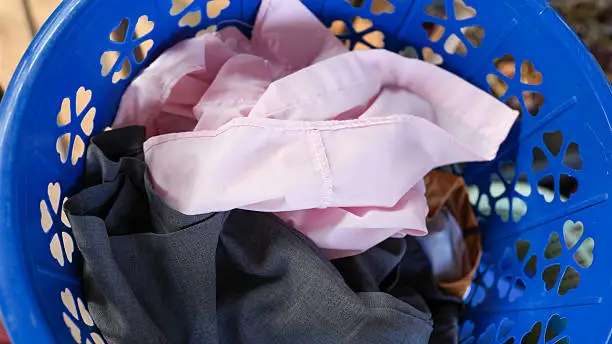
Polyester is a popular fabric used to make shirts, trousers, jackets, dresses, bedsheets, curtains, and sportswear because it is durable, lightweight, and relatively easy to maintain. However, polyester can trap body oils, sweat, and unpleasant smells, especially when worn during hot weather or exercise. Knowing how to wash polyester properly helps remove dirt, maintain its colour, prevent wrinkles, and keep the fabric looking good for longer.
-
Check the Care Label
Before washing polyester, check the garment’s care label for instructions on the recommended washing temperature, cycle, and drying method. Some polyester garments are blended with cotton, wool, elastane, or other fabrics that may require special care. Following the manufacturer’s instructions helps prevent shrinkage, stretching, and damage.
-
Separate Polyester Clothes by Colour
Sort your polyester clothes into whites, light colours, and dark colours before washing. Washing similar colours together helps prevent colour transfer, especially when cleaning new garments that may release excess dye. Separate heavily soiled clothes from lightly worn items to avoid transferring dirt during washing.
-
Remove Stains Before Washing
Inspect the polyester garment for stains caused by sweat, food, oil, makeup, or other substances. Apply a small amount of liquid laundry detergent directly to the stained area and gently rub it using your fingers or a soft cloth. Allow the detergent to sit for about 10–15 minutes before washing to help loosen the stain.
-
Choose the Appropriate Water Temperature
Polyester is generally best washed using cool or lukewarm water. Very hot water can damage certain polyester fabrics, affect their shape, or cause unnecessary wear. Cool water is particularly useful when washing coloured polyester because it helps preserve the fabric’s colour while removing everyday dirt.
-
Add Mild Laundry Detergent
Use a mild laundry detergent suitable for synthetic fabrics. Add the recommended amount according to the detergent instructions and the size of your laundry load. Avoid using too much detergent because excess soap can leave residue on polyester fibres, making clothes feel stiff or causing them to retain unpleasant smells.
-
Wash Polyester Using a Gentle Cycle
Place the polyester garments in your washing machine and select a gentle or normal cycle, depending on the care label. Avoid overcrowding the machine because clothes need enough space to move freely for effective cleaning. If washing polyester by hand, gently agitate the garments in soapy water without twisting or stretching them excessively.
-
Rinse the Clothes Thoroughly
Ensure the polyester garments are rinsed properly to remove detergent, dirt, and remaining cleaning products. If the clothes feel slippery or have soap residue after washing, an additional rinse cycle may help. Thorough rinsing also helps prevent detergent buildup, which can contribute to unpleasant odours.
-
Dry Polyester Clothes Properly
Remove the polyester clothes from the washing machine immediately after the cycle ends. Hang them on a clothesline or drying rack in a well-ventilated area, preferably away from harsh direct sunlight. Polyester dries relatively quickly, so air-drying is often sufficient. If using a tumble dryer, choose a low-heat setting to avoid damaging the fabric.
-
Iron Polyester at a Low Temperature if Necessary
Polyester usually resists wrinkles, but some garments may develop creases after washing. If ironing is necessary, use a low-temperature setting suitable for synthetic fabrics. Avoid placing a hot iron directly on polyester because excessive heat can melt, scorch, or leave shiny marks on the fabric. A pressing cloth can provide additional protection.
Also Read: How to Wash Paint Out of Clothes