

If Someone Is Struck by Lightning, Can You Touch Them?

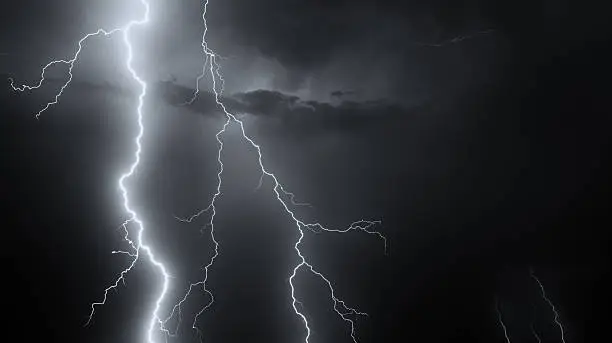
If someone is struck by lightning, can you touch them? Yes. A person who has been struck by lightning does not remain electrically charged, meaning it is safe to touch them and provide first aid. This is an important fact because immediate assistance can be critical after a lightning strike. Lightning can cause cardiac arrest, breathing problems, burns, confusion and other serious injuries, so people nearby should act quickly while also protecting themselves from continuing lightning danger.
-
Make Sure the Area Is Safe
Before approaching someone who has been struck by lightning, check whether the area remains dangerous. A thunderstorm can continue producing lightning, and rescuers should avoid putting themselves at unnecessary risk.
If the person is in an exposed location such as an open field or near an isolated tree, move them to a safer location when it is safe to do so. However, avoid unnecessary movement if the person appears to have serious injuries unless moving them is necessary for safety or lifesaving care.
-
You Can Safely Touch the Person
One of the most important things to understand is that lightning victims do not carry an electrical charge after being struck.
You can therefore touch the person, assess their condition and provide first aid without being electrocuted by the victim. Do not delay assistance because of the fear that electricity remains in their body.
-
Call Emergency Medical Services
Contact your local emergency medical service immediately. Tell the operator that the person has been struck by lightning and provide the exact location.
If other people are present, ask one person to make the emergency call while another begins assessing and assisting the victim.
Lightning strikes can cause life-threatening injuries even when there are no obvious external wounds.
-
Check Whether the Person Is Breathing
Check whether the person is responsive and breathing normally.
If the person is unresponsive and not breathing normally, begin CPR if you are trained to do so. If an automated external defibrillator is available, use it according to the device instructions.
Lightning can cause cardiac arrest, making rapid resuscitation particularly important.
-
Look for Other Injuries
A lightning strike can cause burns, muscle injuries and neurological problems. The force associated with a strike can also cause someone to fall or be thrown, resulting in injuries such as fractures or dislocations.
After addressing immediate breathing and circulation problems, look for visible burns, bleeding or other injuries and provide appropriate first aid while waiting for medical professionals.
-
Keep the Person Comfortable
If the person is conscious, reassure them and keep them as comfortable as possible.
Protect them from becoming excessively cold or overheated while waiting for medical assistance. Avoid giving them unnecessary food or drink, particularly if they are confused, unconscious or having difficulty breathing.
-
Avoid Moving Them Unnecessarily
If you suspect a head, neck or back injury, avoid moving the person unless movement is necessary to protect them from further danger, perform CPR or control serious bleeding.
Lightning victims can suffer injuries from falls or being thrown, so unnecessary movement could make some injuries worse.
-
Continue Monitoring Their Condition
Stay with the person and continue checking their breathing and responsiveness.
Their condition can change after the initial incident. If they become unresponsive or stop breathing normally, provide appropriate emergency care and follow instructions from emergency medical personnel.
-
Do Not Be Afraid to Provide CPR
Some people may hesitate to help because they believe touching a lightning victim is dangerous. This can delay lifesaving care.
Once you have confirmed that the area is reasonably safe, do not be afraid to provide CPR or other first aid within your level of training. Lightning victims can be handled safely.
-
Ensure the Person Receives Medical Attention
Even if the person appears to recover quickly, they should receive medical evaluation after a lightning strike.
Lightning can cause serious injuries that may not be immediately obvious. Medical professionals can assess the person’s heart, nervous system, burns and other possible injuries.
Also Read: How to Protect Students During Rainy Season

