


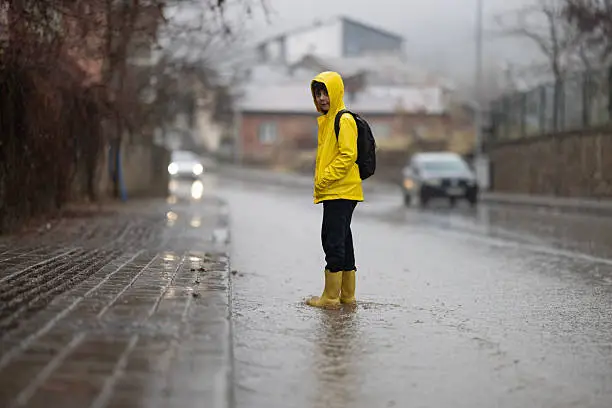
Learning how to protect students during rainy season is important for schools, parents and teachers because heavy rainfall can create several safety and health risks. Students may face flooded roads, slippery surfaces, cold weather, lightning, poor visibility and waterborne illnesses. Schools can reduce these risks by preparing in advance and ensuring that students know what to do when the weather changes. Good planning can help create a safer learning environment throughout the rainy season.
-
Provide Adequate Shelter
Schools should ensure that students have safe and dry areas where they can stay when heavy rain begins. Classrooms, halls and other approved buildings should be maintained properly to prevent leaks and water damage.
Students should not be left standing outside during heavy rainfall. Schools can also identify safe indoor areas where learners can gather if outdoor activities need to be suspended.
-
Keep School Drainage Systems Clear
Blocked drainage systems can cause water to accumulate around classrooms, walkways and playgrounds. Schools should regularly inspect and clear gutters, drainage channels and other water pathways.
Proper drainage helps prevent flooding and reduces the risk of students slipping or walking through contaminated water.
-
Avoid Flooded Areas
Students should be taught never to walk through floodwater, even when the water appears shallow. Moving water can hide open drains, holes and other dangerous obstacles.
Parents and teachers should also discourage children from playing near flooded rivers, drainage channels, dams and other bodies of water.
When school routes become unsafe, administrators should communicate with parents and consider appropriate arrangements for students.
-
Take Lightning Seriously
Thunderstorms can create serious risks, particularly when students are outdoors. Schools should have clear procedures for moving learners indoors when lightning or severe storms occur.
Outdoor sports, assemblies and other activities should be suspended when conditions become dangerous. Students should remain inside approved buildings until the storm has passed and school authorities determine that it is safe to resume activities.
-
Encourage Students to Wear Appropriate Clothing
During rainy weather, students should have suitable clothing to help them remain warm and dry. Depending on the school environment, this may include raincoats, waterproof footwear and warm clothing.
Parents can also provide umbrellas where appropriate. Students should be reminded to use them carefully, particularly around roads, stairs and crowded walkways.
-
Keep Classrooms Warm, Dry and Ventilated
Rainy weather can make classrooms damp and uncomfortable. Schools should address leaking roofs, broken windows and other sources of moisture as soon as possible.
Classrooms should also have appropriate ventilation when weather conditions allow. Damp areas should be cleaned and dried to reduce the likelihood of mould developing.
-
Maintain Safe Walkways
Wet floors, muddy paths and slippery surfaces can increase the risk of falls. Schools should inspect walkways, staircases and entrances regularly during rainy weather.
Where necessary, schools can place warning signs, improve drainage and use suitable non-slip surfaces. Students should be encouraged to walk rather than run in wet areas.
-
Promote Good Hygiene
Rainy seasons can increase exposure to contaminated water and muddy environments. Schools should ensure that students have access to clean water, soap and appropriate sanitation facilities.
Students should wash their hands regularly, particularly before eating and after using the toilet or coming into contact with dirty surfaces.
Schools should also maintain clean classrooms, toilets and shared facilities.
-
Have an Emergency Communication Plan
Parents, teachers and school administrators should know how information will be communicated during severe weather.
Schools can establish reliable communication channels for informing parents about changes to school schedules, unsafe roads, delayed transport or other emergencies.
Having a clear communication plan can prevent confusion and help families make safer decisions.
-
Educate Students About Rainy-Season Safety
Safety education is one of the most effective ways to protect students. Teachers should regularly remind learners about the dangers associated with floods, lightning, slippery surfaces and contaminated water.
Students should know where to go during severe weather and who to contact if they encounter an emergency.
Age-appropriate safety lessons can help learners make responsible decisions even when teachers or parents are not immediately nearby.
-
Check School Transport Arrangements
Schools and parents should pay particular attention to transportation during periods of heavy rain. Drivers should use extra caution on wet or flooded roads and avoid routes that have become dangerous.
Students should wait in designated safe areas and should not attempt to cross flooded roads to reach school transport.
-
Monitor Weather Conditions
Schools should monitor reliable weather forecasts and official warnings during the rainy season. Advance information can help administrators decide whether to postpone outdoor activities or make other safety arrangements.
When severe weather is expected, schools can communicate with parents and teachers early so that everyone has time to prepare.
Also Read: How to Minimise Human-Wildlife Conflicts

Email your news TIPS to Editor@Kahawatungu.com — this is our only official communication channel
