

Jean-François Richet Siblings: Getting to Know Laurent Richet

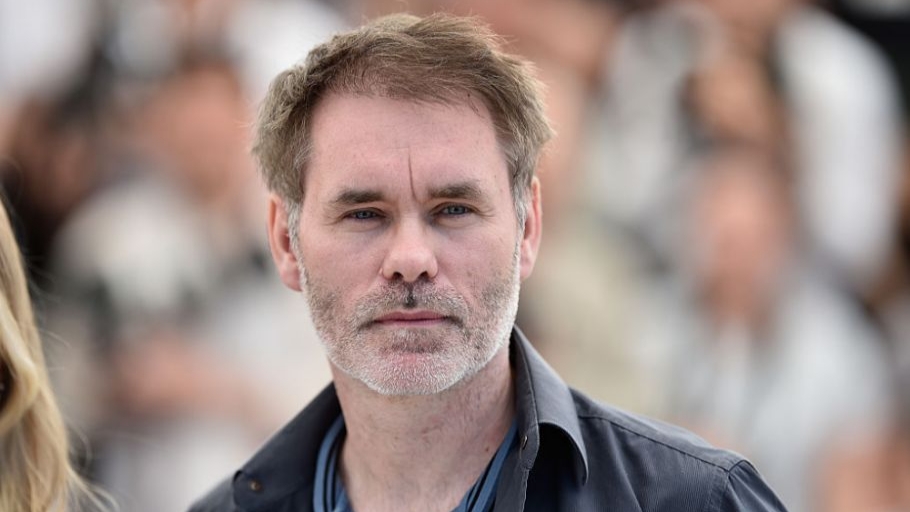
Filmmaker Jean-François Richet PHOTO/Variety
Jean-François Richet is a renowned French filmmaker, celebrated for his gritty portrayals of urban life, high-stakes crime dramas, and pulse-pounding action thrillers.
Born on July 2, 1966, in Paris and raised in the working-class suburb of Meaux, Richet’s early experiences in the housing projects east of the city profoundly shaped his cinematic voice, infusing his work with raw authenticity and social commentary.
As a multifaceted talent, he has excelled as a director, screenwriter, editor, and producer, often drawing from his personal background to craft narratives that explore themes of marginalization, rebellion, and redemption.
Over nearly three decades, Richet has transitioned from indie French cinema to Hollywood blockbusters, earning international acclaim for his visceral storytelling and collaborations with stars like Vincent Cassel, Mel Gibson, and Gerard Butler.
Siblings
Jean-Frabçois has one sibling, a brother named Laurent Richet.
However, details about Jean-François Richet’s family remain notably private, reflecting his preference for letting his films speak louder than personal disclosures.
Career
Richet’s career trajectory is a testament to his relentless drive, beginning with a bold leap into filmmaking after leaving school early and scraping together funds from odd jobs and even casino winnings to self-finance his debut.
His first feature, État des lieux (1995), also known as Inner City, was a stark, handheld examination of life in the Paris projects, which he wrote, directed, and edited on a shoestring budget of around $20,000.
The film’s unflinching realism earned festival screenings worldwide and marked Richet as a fresh voice in French cinema.
Building on this momentum, he followed with Ma 6-T va crack-er (1997), a hip-hop-infused drama about suburban youth on the brink, and De l’amour (2001), a tender yet turbulent exploration of young love amid chaos, both of which he again helmed across multiple roles and premiered at Cannes.
Also Read: Rosalinde Mynster Siblings: Meet Jasper Spanning and Line Spanning
These early successes caught Hollywood’s eye, leading to his English-language breakthrough with the 2005 remake of John Carpenter’s Assault on Precinct 13, starring Ethan Hawke and Laurence Fishburne, which thrust him into international action territory despite mixed reviews.
Returning to France, Richet delivered his magnum opus in 2008: the ambitious two-part biopic Mesrine, chronicling the life of notorious gangster Jacques Mesrine through Killer Instinct and Public Enemy No. 1, with Vincent Cassel in a career-defining performance; the epic’s scale and intensity reaffirmed his mastery of the genre.
After a brief producing stint on the comedy WTF (2014), he revisited remakes with Un moment d’égarement (2015), reimagining a classic tale of forbidden romance starring Cassel and François Cluzet.
Venturing back to Hollywood, Richet directed Mel Gibson in the taut revenge thriller Blood Father (2016), which premiered at Cannes, followed by the high-octane Plane (2023) featuring Gerard Butler as a pilot entangled in a coup, grossing over $74 million globally and marking a commercial pinnacle.
More recently, he helmed The Emperor of Paris (2018), a lavish period crime saga reuniting him with Cassel as real-life detective François Vidocq, and signed on for the upcoming Lionsgate actioner Mutiny with Jason Statham.
In February 2025, Richet inked a deal with CAA, signaling his continued ascent in global filmmaking.
Accolades
Richet’s contributions to cinema have been recognized with prestigious honors, particularly from France’s Académie des Arts et Techniques du Cinéma.
His debut État des lieux garnered a César nomination for Best First Feature Film in 1996 at the 21st ceremony, a nod to its innovative rawness, and clinched the Cyril Collard Award that same year for its bold debut energy.
The pinnacle of his accolades arrived with Mesrine in 2009, where he swept the César for Best Director, lauding the diptych’s epic scope and directorial prowess; the films also propelled Vincent Cassel to a Best Actor win, cementing their collaborative triumph.
Beyond awards, Richet’s work has amassed critical praise and festival prestige, including Cannes special screenings for Blood Father in 2016 and widespread acclaim for Plane’s gripping tension.
His films have inspired category nods in international circuits, with Ma 6-T va crack-er and De l’amour earning festival buzz for their cultural impact.
In 2025, his CAA signing highlighted his enduring influence, positioning him among elite international talents like Justine Triet.

