


The Judiciary has raised alarm over a Sh17.44 billion funding gap, warning it could directly affect preparations for the upcoming General Elections and routine service delivery.
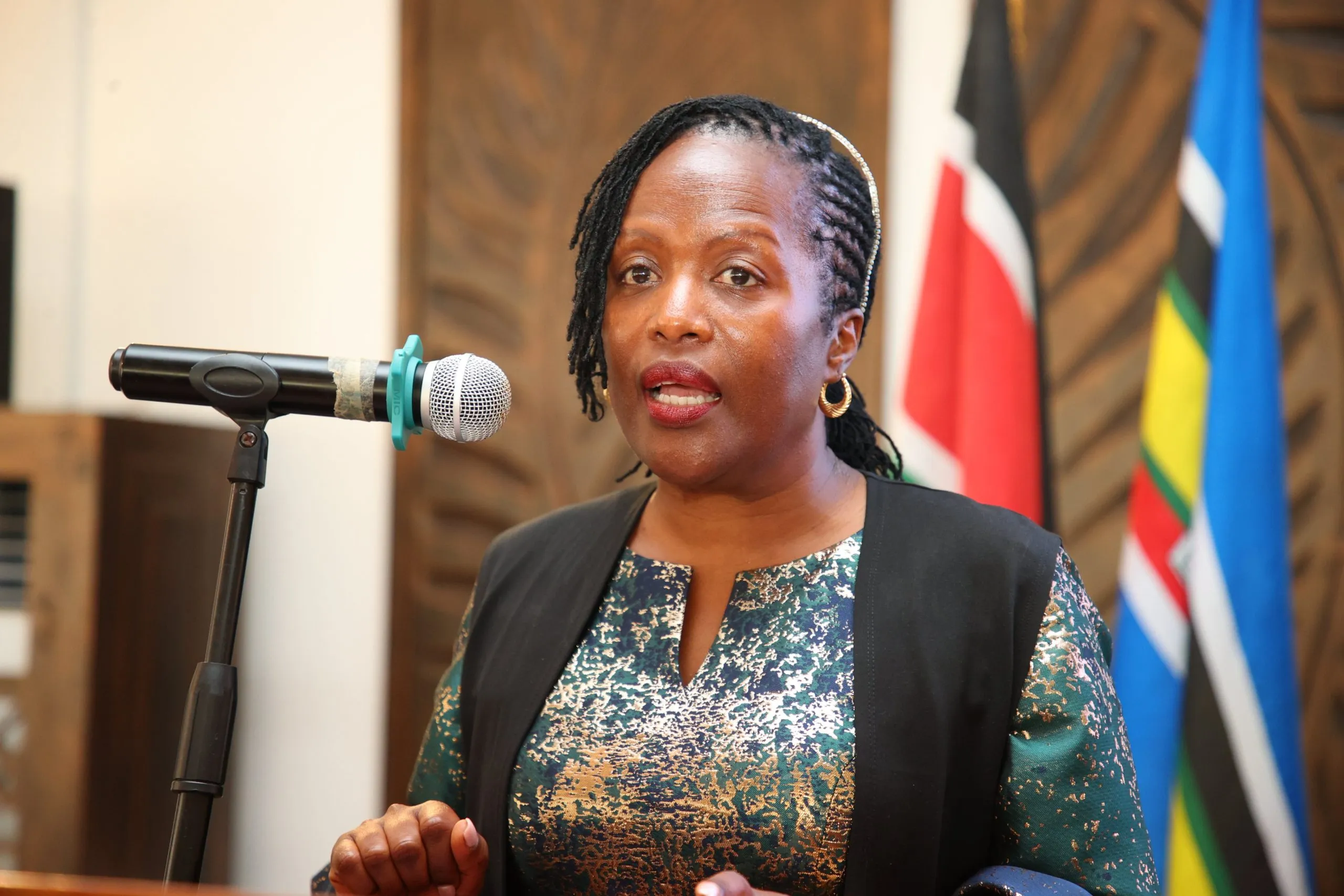
Appearing before the National Assembly Committee on Justice and Legal Affairs, Chief Registrar Winfridah Mokaya said the Judiciary has been allocated Sh29.014 billion for the 2026/27 financial year, against a requirement of Sh46.453 billion, leaving a 38 percent shortfall.
“The Judiciary often incurs huge expenditure as a direct result of the elections through appeals and tribunals. With this level of shortfall, preparations for nominations and the General Elections will be severely constrained,” Mokaya said.
She highlighted specific gaps, noting that the Judiciary Committee on Elections received Sh114 million against a requirement of Sh1.02 billion, leaving a funding gap of Sh909 million. The Political Parties Dispute Tribunal was allocated Sh9.3 million against a requirement of Sh179 million, creating a gap of Sh170.1 million, which could hinder election preparations.
Other areas affected include backlog reduction initiatives, mobile courts, mediation, small claims courts, the operationalization of new registries, and continued automation through e-filing and virtual courts.
During the meeting, Wajir East MP Aden Daud urged agencies to adjust expectations in light of the country’s debt burden.
“The truth is that this country has no money. We are heavily indebted. All SAGAs must be cognizant of that reality. This is the time to tighten budgets, cut excesses and focus only on what is absolutely necessary,” he said.
The Office of the Registrar of Political Parties also presented its estimates. Registrar John Cox Larionokou said the office requested Sh9.192 billion for operations, the Political Parties Fund, and civic education programmes, but the proposed ceiling is only Sh2.333 billion, leaving a Sh6.869 billion gap.
“The reduced allocation could hamper the Office’s mandate of registering and regulating political parties, administering funding and supporting civic education in the run up to the next General Elections,” Larionokou warned.
Similarly, the State Department for Correctional Services, led by PS Dr. Salome Beacco, reported a shortfall of Sh23.61 billion, with allocations of Sh43.46 billion against a requirement of Sh67.07 billion. Key programmes underfunded include domestic travel for inmate escorts and food rations for over 64,000 inmates and probationers.
“For domestic travel we have an approved estimate of Sh285 million against a requirement of Sh1.3 billion. These funds cater for inmate escorts to courts, hospitals, security transfers, social enquiries and supervision of non-custodial offenders. We have had cases where we have been unable to deliver prisoners to courts due to lack of fuel or vehicles,” Dr. Beacco said. She added that the allocation for food and rations of Sh4.5 billion against a requirement of Sh7.5 billion leaves a significant gap, while aging armoury and ammunition require urgent replacement.
Other stakeholders appearing before the Committee included the Kenya National Commission on Human Rights, the Witness Protection Agency, and the State Department of Justice, Human Rights and Constitutional Affairs.
The Committee is expected to continue receiving submissions from additional agencies as it finalizes its review of the 2026 Budget Policy Statement.
Email your news TIPS to Editor@Kahawatungu.com — this is our only official communication channel
