


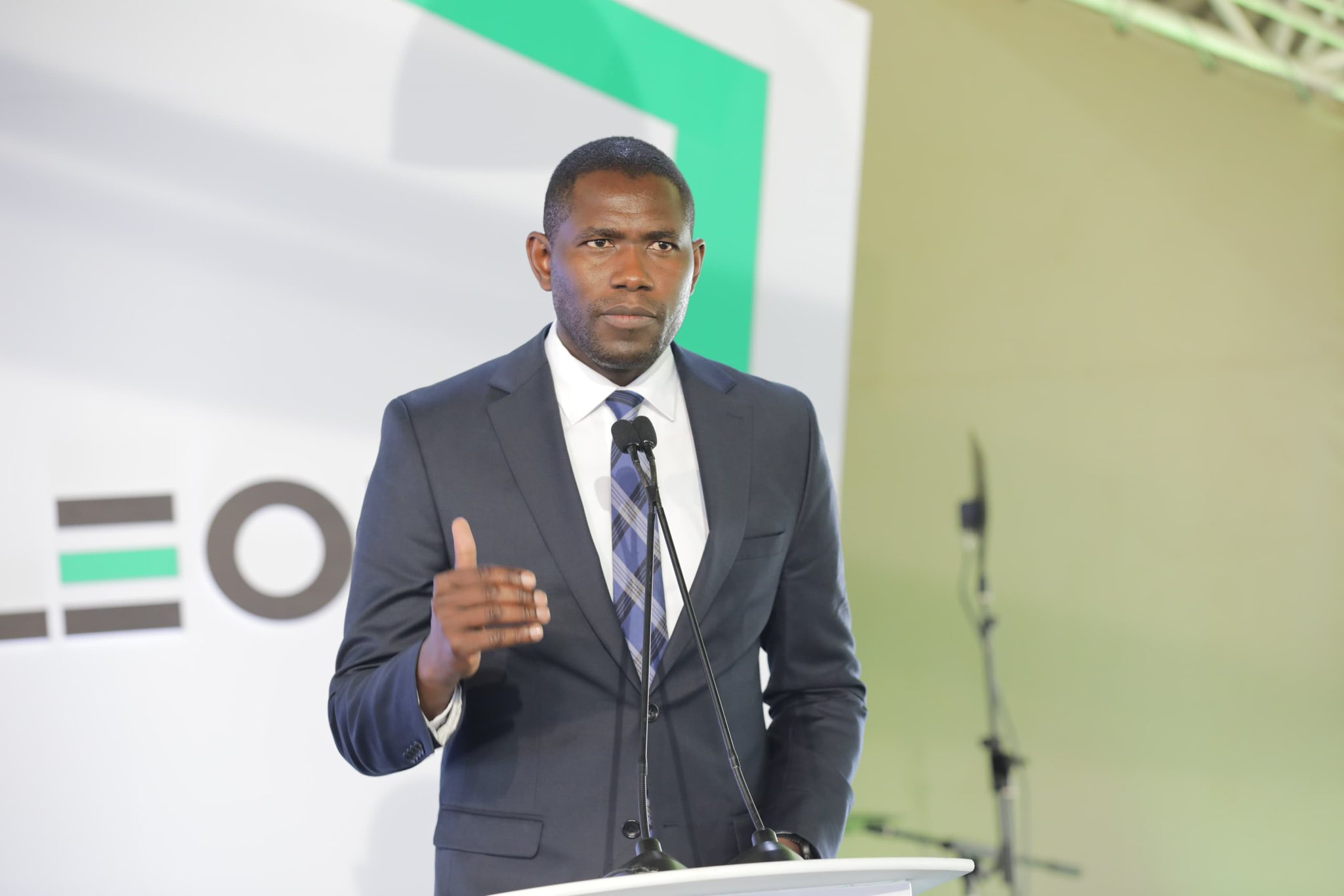
The government has pledged to increase the local manufacturing of essential medicines from the current 20 percent to 50 percent.
According to Dr. Ouma Oluga, Principal Secretary for Medical Services, the move is aimed at improving access and affordability of healthcare in the country.
Speaking during the Haleon Kenya Stakeholder Breakfast Session in Nairobi, Dr. Oluga said that strengthening local production will also help address national health priorities.
He noted that the government is working with partners in research, innovation, and pharmaceutical ingredient supply to support the shift.
Dr. Oluga also announced the rollout of a new drug tracking system developed with the Global Standards Organization.
The system will help identify and eliminate counterfeit medicines, ensuring the safety of health products available in the Kenyan market.
Kenya and China Sign Sh65 Billion Pharmaceutical Deal
In a related development, Kenya has signed a Sh65 billion agreement with China to boost the country’s pharmaceutical and vaccine manufacturing capacity by 2028. The deal was announced after a high-level meeting between Health Cabinet Secretary Aden Duale and Chinese Ambassador to Kenya Guo Haiyan.
Duale said the partnership will help build domestic capacity and reduce overreliance on medical imports. “This transformative partnership is not just about medicine. It is about sovereignty, security, and sustainability in healthcare,” said the CS.
The partnership will use advanced Chinese technology to set up local production hubs. The project is also expected to create jobs across the health sector while making Kenya a key player in vaccine production.
Duale stated that the government aims to make Kenya a regional hub for health product manufacturing. “We want to stop being net importers of health solutions and become producers, exporters, and innovators,” he said.
To support the initiative, China has offered 500 fully funded scholarships for Kenyan students to pursue health sciences and has launched 20 annual exchange programmes for healthcare workers.
Duale praised the scholarships and exchange programmes as a long-term investment in Kenya’s future health leadership. “Our young professionals will gain world-class knowledge and exposure, enabling us to lead in both practice and policy,” he said.
To fast-track implementation, Duale proposed the creation of a Kenya-China health cooperation task force. The team will coordinate the rollout, align strategic priorities, and oversee the signing and execution of agreements.
He also called on China to support Kenya’s move from aid dependency to a co-investment model in healthcare innovation. “We are moving from a model where we wait for aid to one where we co-invest in solutions that benefit both our nations. Let us innovate together,” said Duale.
Email your news TIPS to Editor@Kahawatungu.com — this is our only official communication channel
