


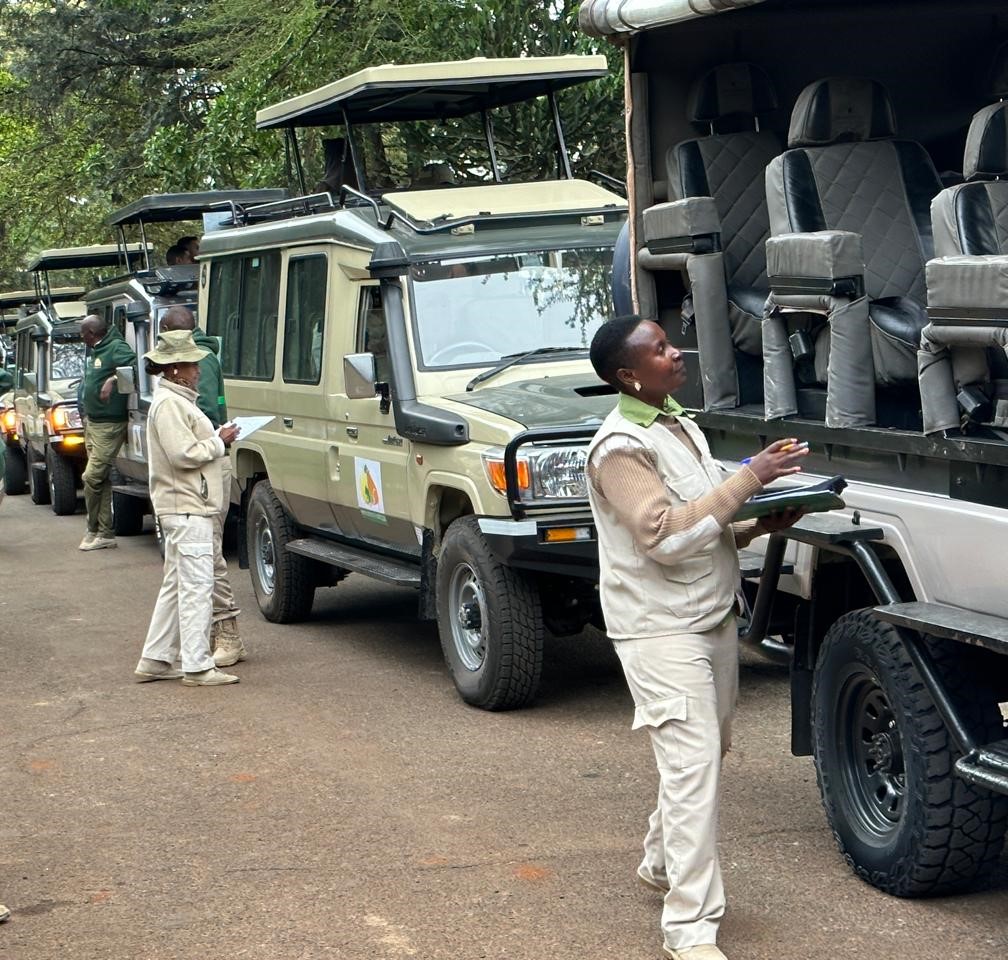
The Kenya Wildlife Service (KWS) has raised concern over a Sh12 billion annual funding shortfall that is threatening the future of the country’s wildlife and biodiversity.
In a statement released on Thursday, July 10, 2025, the agency announced plans to mobilize additional resources to boost conservation efforts, protect endangered species, and secure the long-term survival of Kenya’s natural heritage.
KWS said the funding gap has been worsened by stagnating income, rising inflation, and increased operational demands. In the 2024/2025 financial year, the service generated Sh7.92 billion against a requirement of Sh19.79 billion. This deficit has limited its ability to manage parks, restore degraded ecosystems, and tackle threats such as poaching and human-wildlife conflict.
To help address the financial crisis, KWS has published a draft proposal under the Wildlife Conservation and Management (Access and Conservation Fees) Regulations, 2025.
The new rules propose a revised fee structure for accessing national parks, reserves, marine parks, and other protected areas. If approved, it will be the first comprehensive review of park and conservation fees in 18 years.
KWS Director General Prof. Erustus Kanga said the new charges are not just about raising money but are key to protecting the country’s wildlife.
He explained that more than 90 percent of KWS’s internal revenue comes from tourism, yet the current fee structure has remained unchanged for over a decade despite rising costs and growing conservation needs.
“Today we face a widening fiscal deficit that threatens not only conservation but also the livelihoods of over one million Kenyans who depend on wildlife tourism—from rangers and community scouts to tour operators, hoteliers, and artisans,” said Prof. Kanga.
The proposed fee changes are part of a larger revenue strategy aimed at enhancing KWS’s core activities. These include habitat restoration, resolving human-wildlife conflict, increasing anti-poaching efforts, upgrading park infrastructure, and expanding education and awareness programs.
According to an impact assessment conducted before drafting the new regulations, the new pricing model could increase park revenues from Sh7.92 billion in 2024 to Sh16.58 billion by 2028.
The plan is aligned with KWS’s 2024–2028 Strategic Plan and aims to reduce reliance on government funding by building a self-sustaining model for conservation.
Prof. Kanga added that the revised structure will help strengthen the protection of endangered species, enable quick responses to emerging threats, and improve visitor experiences in protected areas.
He emphasized that the review is being conducted through a transparent and participatory process involving public input and engagement with stakeholders across the country.
“This review is not just about revenue—it is about the survival of our wildlife and the resilience of our conservation systems. It’s a bold and necessary step to protect our biodiversity, support communities who coexist with wildlife, and secure the future of Kenya’s natural heritage for generations to come,” said Prof. Kanga.
Wildlife tourism contributes about 10 percent to Kenya’s national GDP and generates over $1 billion in annual revenue. KWS believes that by reinvesting in conservation through the revised fee structure, the country stands to benefit both economically and ecologically.
Email your news TIPS to Editor@Kahawatungu.com — this is our only official communication channel
