

Lena Horne Net Worth
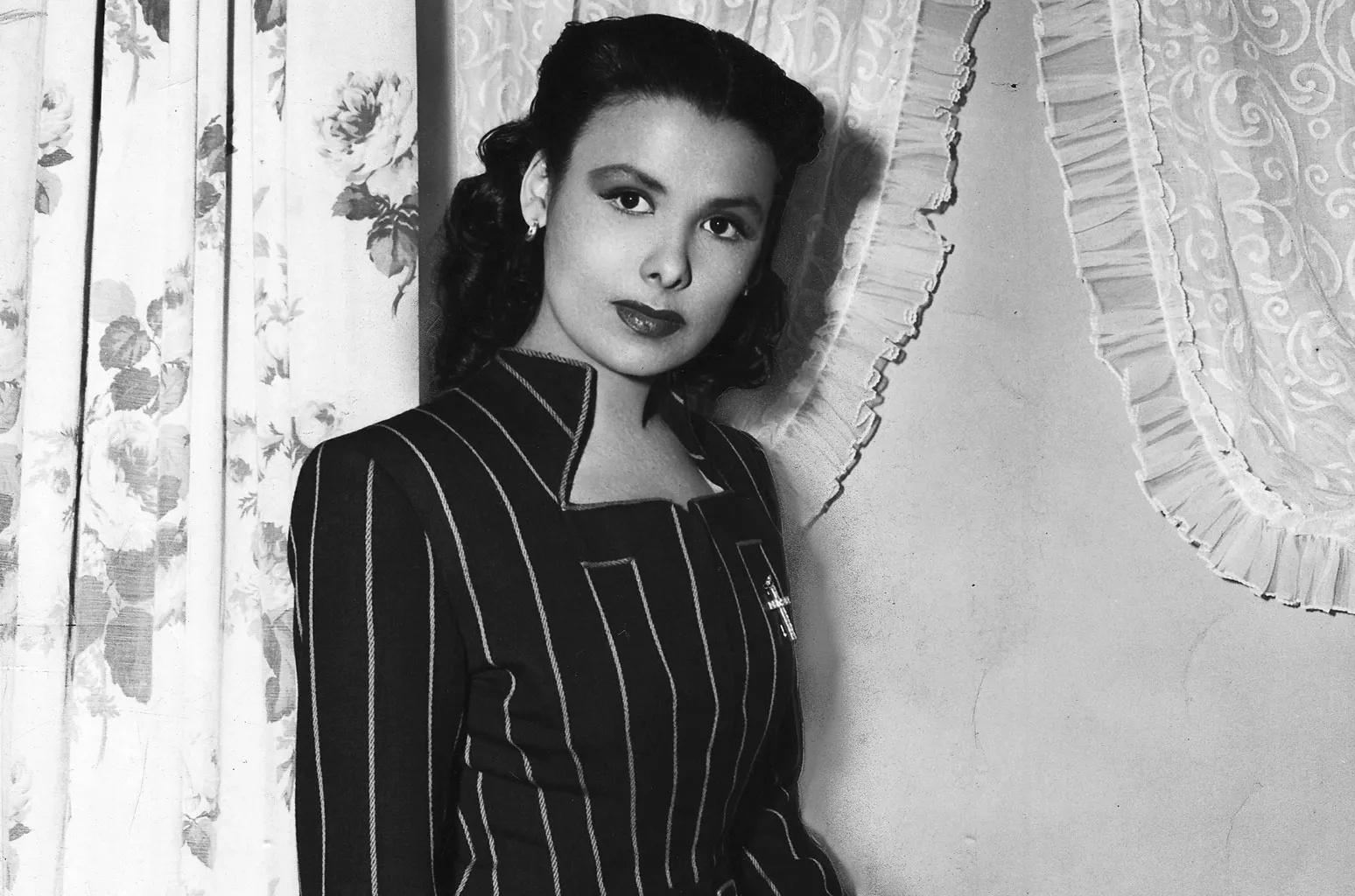
Lena Horne was an American singer, actress, dancer, and civil rights activist who had an estimated net worth of $10 million at the time of her death in 2010. With a career spanning more than seven decades, Horne became one of the most influential entertainers in American history, breaking racial barriers in Hollywood while earning acclaim in music, film, television, and Broadway.
Beyond her remarkable entertainment career, Horne was also a prominent voice in the Civil Rights Movement, using her platform to advocate for equality and challenge racial segregation throughout her life.
| Lena Horne Net Worth | $10 Million |
| Date of Birth | June 30, 1917 |
| Place of Birth | Brooklyn, New York |
Early Life
Lena Horne was born on June 30, 1917, in Brooklyn, New York.
She came from a well-established African American family. Her father, Edwin Horne, was a businessman, while her mother, Edna Scottron, was an actress.
Following her parents’ separation, Horne spent much of her childhood moving between relatives before eventually returning to New York, where she attended St. Peter Claver School and Girls’ High School.
Her passion for performing emerged early, setting the stage for an extraordinary career.
Career Beginnings
Lena Horne’s entertainment career began in 1933 when she joined the chorus line at the famous Cotton Club in Harlem.
She later appeared in the musical short Cab Calloway’s Jitterbug Party before performing with Noble Sissle’s Orchestra, where she made her earliest recordings.
During the early 1940s, Horne toured with Charlie Barnet’s orchestra and later became the featured vocalist on the popular radio program The Chamber Music Society of Lower Basin Street, helping establish her reputation as one of America’s rising vocal talents.
Film Career
Horne made her feature film debut in The Duke Is Tops (1938), though her Hollywood breakthrough came after signing with MGM.
She appeared in several popular musicals, including:
- Panama Hattie (1942)
- Stormy Weather (1943)
- Cabin in the Sky (1943)
- Thousands Cheer (1943)
- Broadway Rhythm (1944)
- Words and Music (1948)
Despite her popularity, Horne often faced racial discrimination in Hollywood and was frequently limited to musical performances that could easily be removed for screenings in segregated Southern theaters.
Following disputes with the studio system and a period on the Hollywood blacklist during the 1950s, she largely stepped away from films before returning in Death of a Gunfighter (1969).
She later portrayed Glinda in the classic musical film The Wiz (1978).
Television Career
Lena Horne became a familiar face on American television throughout the 1950s and 1960s.
She appeared on numerous popular variety programs, including:
- The Ed Sullivan Show
- Kraft Music Hall
- The Dean Martin Show
- The Andy Williams Show
She also starred in several acclaimed television specials, including Harry & Lena, alongside Harry Belafonte.
Later television appearances included guest roles on:
- Sesame Street
- Sanford and Son
- The Cosby Show
- A Different World
Broadway and Stage Success
As Hollywood opportunities declined, Horne focused increasingly on live performances and Broadway.
In 1958, she became the first African American woman nominated for the Tony Award for Best Actress in a Musical for her performance in Jamaica.
Her greatest stage success came in 1981 with the one-woman Broadway production Lena Horne: The Lady and Her Music.
The critically acclaimed production ran for more than 300 performances, won multiple awards, and later toured internationally, becoming one of the defining achievements of her career.

Music Career
Lena Horne enjoyed a highly successful recording career spanning several decades.
Her first studio album, It’s Love, was released in 1955.
She followed it with the live album Lena Horne at the Waldorf Astoria, which became the best-selling album by a female artist for RCA Victor at the time.
Among her most celebrated releases were:
- Give the Lady What She Wants
- Lena Horne at the Sands
- An Evening with Lena Horne
- Being Myself
Her work earned multiple Grammy Award nominations and victories, including a Grammy Lifetime Achievement Award, recognizing her lasting influence on American music.
Civil Rights Activism
Alongside her entertainment career, Lena Horne was a passionate civil rights advocate.
During World War II, she refused to perform before segregated audiences and openly protested discrimination within the U.S. military.
She later became actively involved in the Civil Rights Movement, participating in the historic 1963 March on Washington, where she both performed and spoke in support of racial equality.
Throughout her life, Horne remained committed to fighting discrimination and promoting equal rights.
Personal Life
Lena Horne married Louis Jones in 1937, and the couple had two children before divorcing in 1944.
She later married musician and arranger Lennie Hayton in 1947. Their interracial marriage attracted significant public attention during an era when such relationships faced widespread prejudice.
Horne was also the grandmother of acclaimed screenwriter Jenny Lumet.
Death
Lena Horne died on May 9, 2010, at the age of 92 from congestive heart failure.
Her funeral was held at St. Ignatius Loyola Church in New York City, after which she was cremated.
She is remembered not only as an extraordinary entertainer but also as a trailblazer who helped pave the way for future generations of Black performers.
Real Estate
After spending many years living in California, Horne returned permanently to New York City during the early 1980s while starring on Broadway.
She eventually purchased multiple apartments in a Manhattan building on East 74th Street, using them as her residence, guest accommodations, office space, and storage.
Following her death, her estate gradually sold the apartments over several years.
Also Read: Lola Falana Net Worth

