

Louis Armstrong Net Worth

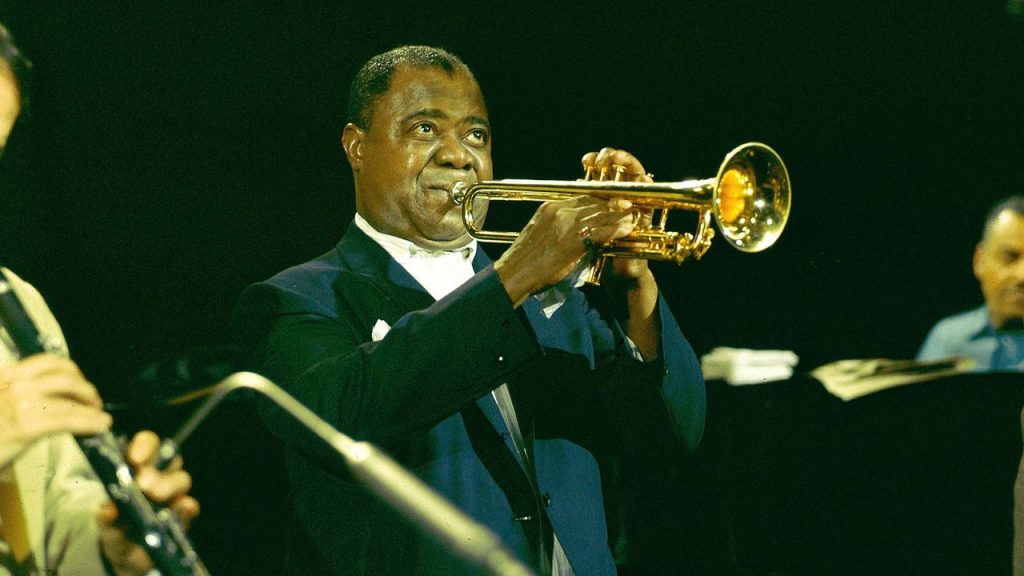
Louis Armstrong was an American jazz trumpeter, singer, composer, and entertainer who had a net worth of $5 million at the time of his death in 1971. Adjusted for inflation, that fortune would be worth approximately $35 million today.
Widely regarded as one of the most influential musicians in history, Armstrong transformed jazz from a collective ensemble style into a genre centered around individual solo performance. His groundbreaking trumpet playing, instantly recognizable voice, and charismatic stage presence made him one of the most beloved entertainers of the 20th century.
Nicknamed “Satchmo” and “Pops,” Armstrong became famous for timeless songs like “What a Wonderful World,” “Hello, Dolly!” and “La Vie En Rose.” Beyond his recordings, he is credited with popularizing scat singing, revolutionizing jazz improvisation, and helping bring jazz music to global audiences.
Despite growing up in extreme poverty and facing racism throughout his life, Armstrong rose to international fame and became one of America’s greatest cultural ambassadors.
| Louis Armstrong Net Worth | $5 Million |
| Date of Birth | August 4, 1901 |
| Place of Birth | New Orleans, Louisiana |
Early Life
Louis Armstrong was born on August 4, 1901, in New Orleans, Louisiana, in a poor neighborhood nicknamed “The Battlefield.” Raised in severe poverty, his childhood was filled with hardship after his father abandoned the family and his mother struggled to support them.
Armstrong left school at a young age to help earn money and often sang in street quartets for spare change. During his childhood, he found guidance from the Karnoffsky family, Lithuanian Jewish immigrants who employed him for odd jobs and encouraged his interest in music.
Recognizing his passion, the family helped him purchase his first cornet, an instrument that would change the course of his life.
A turning point came after Armstrong was sent to a juvenile detention center for firing a gun into the air on New Year’s Eve. While there, he joined the institution’s band and received formal musical instruction, helping develop the skills that would later make him a star.
Beginning of His Music Career
After leaving the reform school, Armstrong immersed himself in New Orleans’ vibrant jazz scene.
His early talent caught the attention of legendary cornetist Joe King Oliver, who became Armstrong’s mentor. Armstrong worked small jobs for Oliver while learning from one of the city’s leading musicians.
When Oliver relocated to Chicago, Armstrong honed his craft by performing on riverboats traveling the Mississippi River. These jobs helped him improve his technical abilities and taught him how to read music.
In 1922, Armstrong moved to Chicago to join Oliver’s famed band, the King Oliver Creole Jazz Band, marking his first major professional breakthrough.

Move to New York
Armstrong’s rising reputation soon attracted national attention.
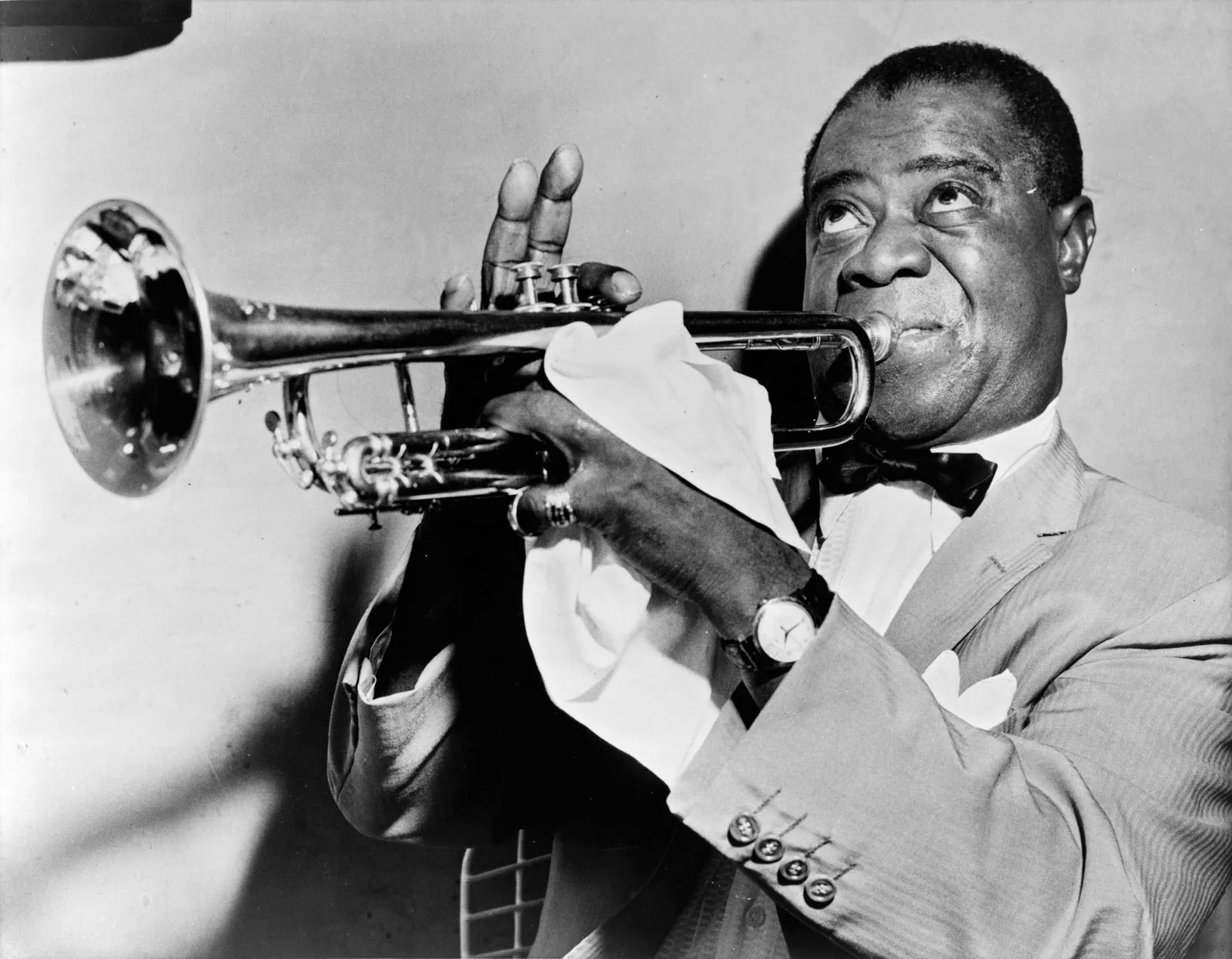
In 1924, he relocated to New York City at the invitation of celebrated bandleader Fletcher Henderson to join the Fletcher Henderson Orchestra, then one of the leading African American bands in the country.
During his time with Henderson, Armstrong revolutionized jazz through his innovative approach to improvisation. Before Armstrong, jazz performances focused heavily on collective playing. He shifted the spotlight toward the individual soloist, helping redefine the entire genre.
His energetic trumpet style and fearless improvisation influenced generations of musicians and permanently changed the sound of jazz.
The Hot Five
After returning to Chicago, Armstrong formed his legendary Hot Five and Hot Seven recording groups during the 1920s.
This period produced some of the most influential recordings in jazz history, including:
- “West End Blues”
- “Potato Head Blues”
- “Muggles”
These recordings showcased Armstrong’s extraordinary trumpet technique and innovative rhythms, establishing musical standards that jazz artists would follow for decades.
His performances during this era helped lay the foundation for modern jazz.
Invention of Scat Singing
Armstrong was not only a groundbreaking trumpeter but also an innovative vocalist.
He is widely credited with popularizing scat singing, a vocal improvisation style in which singers use nonsensical syllables to mimic instruments.
His 1926 recording of “Heebie Jeebies” is often regarded as one of the earliest and most influential examples of scat singing, helping establish a vocal tradition that became central to jazz.
Armstrong’s warm, gravelly voice later became one of his most defining traits and expanded his appeal far beyond jazz audiences.
Global Fame
By the 1930s and 1940s, Armstrong had become an international superstar.
He appeared in films, radio broadcasts, and major concert performances, bringing jazz into mainstream entertainment. His charisma and universal appeal helped him cross racial boundaries during an era of segregation in America.
Among his most iconic songs were:
- “Hello, Dolly!” (1964)
- “What a Wonderful World” (1967)
Hello, Dolly! famously knocked The Beatles off the top of the Billboard charts, making Armstrong—at age 62—the oldest artist to achieve a No. 1 hit in the United States at the time.
Meanwhile, What a Wonderful World eventually became one of the most beloved songs ever recorded.
Legacy
Louis Armstrong’s influence extended far beyond music.
He authored autobiographies, wrote countless letters, and became an important cultural figure whose life reflected both the struggles and triumphs of Black Americans during the 20th century.
Despite facing discrimination throughout his career, Armstrong broke racial barriers and opened doors for future generations of Black musicians.
His contributions to jazz include:
- Revolutionizing solo improvisation
- Popularizing scat singing
- Helping make jazz an international art form
- Inspiring generations of musicians across genres
Armstrong remains one of the most recorded and celebrated figures in music history.
Death
Louis Armstrong died in his sleep from a heart attack on July 6, 1971, at the age of 69.
Also Read: Dizzy Gillespie Net Worth

