


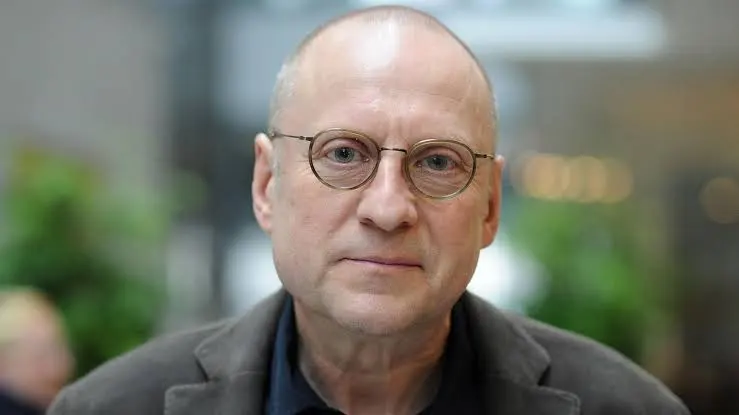
Matti Geschonneck is a renowned German film director and assistant director, born on May 8, 1952, in Potsdam, which was then part of the German Democratic Republic.
He is the son of the celebrated East German actor Erwin Geschonneck, who was one of the most prominent figures in East German cinema and theater, and his mother was actress Hannelore Wüst.
Geschonneck grew up under the influence of his stepfather, Gerhard Scheumann, a notable East German documentary filmmaker.
His early life was marked by the political tensions of the Cold War era, which significantly shaped his path in the film industry.
Siblings
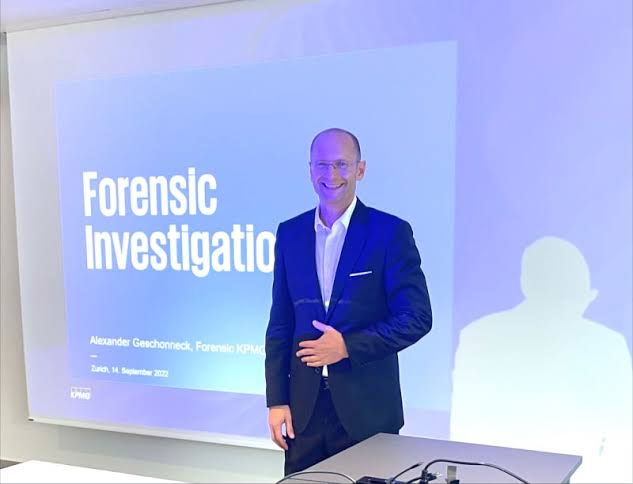
Matti has siblings from his father’s side, including a half-brother named Alexander Geschonneck, who has pursued a career as a forensic specialist and author in Germany.
Additionally, his father Erwin Geschonneck had a daughter named Fina, making her Matti’s sister.
Career
Geschonneck’s career began with studies at the Gerasimov Institute of Cinematography in Moscow, but he was expelled and lost his Communist Party membership after supporting dissident singer Wolf Biermann in 1976.
His first experimental film, Licht im Zerfall, was confiscated and lost in Soviet archives.
Also Read: Marc Clotet Siblings: Getting to Know Aina Clotet
In 1978, he relocated to West Germany using a work visa and started as an assistant director under filmmakers like Thomas Langhoff, Eberhard Fechner, and Diethard Klante.
His directorial debut came with the feature film Moebius in 1992, followed by directing episodes of the popular crime series Tatort.
In 1995, he directed Matulla und Busch, which featured his father in his final role.
Geschonneck gained wider recognition with Boxhagener Platz in 2010, a semi-autobiographical drama that premiered at the Berlin International Film Festival.
He continued with prolific television work, producing two to three TV films annually, including Liebesjahre in 2011 and Tod einer Polizistin in 2012.
Later highlights include the family saga In Times of Fading Light in 2017, adapted from Eugen Ruge’s novel and debuting at the Berlin Film Festival, and the 2022 TV film Die Wannseekonferenz, which dramatizes the 1942 Wannsee Conference.
Accolades
Geschonneck’s film Boxhagener Platz was shortlisted for the Academy Award for Best Foreign Language Film in 2010.
Die Wannseekonferenz in 2022 garnered multiple honors, including the Prix Europa for Best Feature Film, the Deutscher Fernsehpreis, and the 3sat-Publikumspreis.
He was nominated for the 3Sat Audience Award for Tod einer Polizistin in 2013.
Geschonneck has received a variety of German film prizes for his body of work, underscoring his status as a key figure in post-reunification German filmmaking.

Email your news TIPS to Editor@Kahawatungu.com — this is our only official communication channel
