


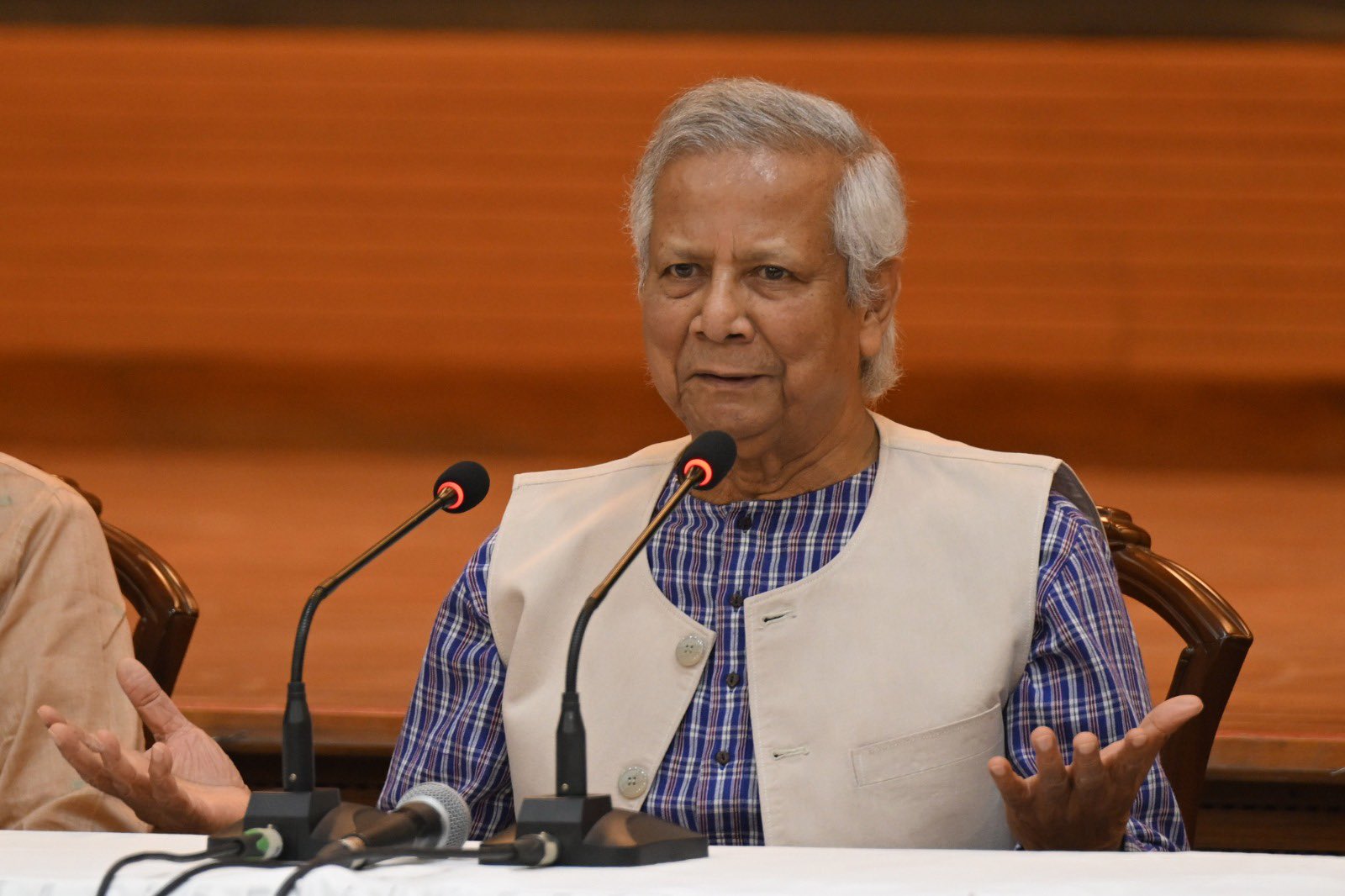
Muhammad Yunus, the Bangladeshi economist, social entrepreneur, and Nobel Peace Prize laureate, has a net worth of $10 million. Best known for pioneering the concepts of microfinance and microcredit, Yunus transformed global development by enabling millions of impoverished people—especially women—to access small loans and create sustainable livelihoods. His groundbreaking work through the Grameen Bank made him a symbol of innovation in poverty alleviation and earned him worldwide recognition as one of the most influential thinkers of modern economics.
| Muhammad Yunus Net Worth | $10 Million |
| Date of Birth | June 1940 |
| Place of Birth | Chittagong |
| Nationality | Bangladeshi |
| Profession | Economist, Social Entrepreneur, and Nobel Peace Prize Laureate |
Early Life and Education
Muhammad Yunus was born in June 1940 in Chittagong, then part of the Bengal Presidency under British India. Raised in a modest family, Yunus displayed an early interest in learning and leadership. After completing his primary and secondary schooling in Bangladesh, he pursued higher education at the University of Dhaka, where he earned a degree in economics.
His academic journey continued abroad—first at the University of Colorado, Boulder, and later at Vanderbilt University, where he completed his Ph.D. in economics. This international academic background would shape his unique perspective on combining Western economic theories with grassroots development practices.
The Birth of Microfinance and Grameen Bank
In the mid-1970s, Yunus returned to Bangladesh during a period of severe poverty and famine. Witnessing the struggles of villagers firsthand, he began experimenting with small loans given to local women to help them start businesses. Unlike traditional banking, these loans required no collateral, relying instead on trust and community responsibility.
This initiative grew into the Grameen Bank, which Yunus officially founded. The bank’s model revolutionized access to credit for the poor, becoming a blueprint for microfinance institutions across the globe. By empowering marginalized communities, particularly women, Yunus redefined the role of finance in tackling poverty.
Global Recognition and Awards
Yunus’s innovative approach soon attracted global attention. In 2006, he and the Grameen Bank were jointly awarded the Nobel Peace Prize for their efforts to create economic and social development from below. His work has since earned him numerous accolades, including:
- The United States Presidential Medal of Freedom (2009)
- The Congressional Gold Medal (2010)
- The World Food Prize
- The Independence Day Award (Bangladesh’s highest civilian honor)
- The Gandhi Peace Prize
- The Pfeffer Peace Prize
- The Aga Khan Award for Architecture
These honors reflect his global reputation as a humanitarian dedicated to building a world without poverty.
Later Career and Social Entrepreneurship
Beyond Grameen Bank, Yunus expanded his vision of social business. In 2011, he co-founded Yunus Social Business – Global Initiatives, which supports enterprises designed to solve social and environmental problems rather than maximize profit. His philosophy of “social business” continues to influence policymakers, entrepreneurs, and activists worldwide.
Yunus has also held several prestigious positions, including serving as Chancellor of Glasgow Caledonian University in Scotland and as a member of the advisory board at Shahjalal University of Science and Technology. He also sits on the board of directors of the United Nations Foundation, further amplifying his influence in global development.
Muhammad Yunus Net Worth
Despite his modest net worth of $10 million, Yunus’s impact extends far beyond financial success. He has authored several influential books, including Banker to the Poor, where he outlines his vision for a world where credit is a human right.
Also Read: George Clooney Net Worth

Email your news TIPS to Editor@Kahawatungu.com — this is our only official communication channel
