


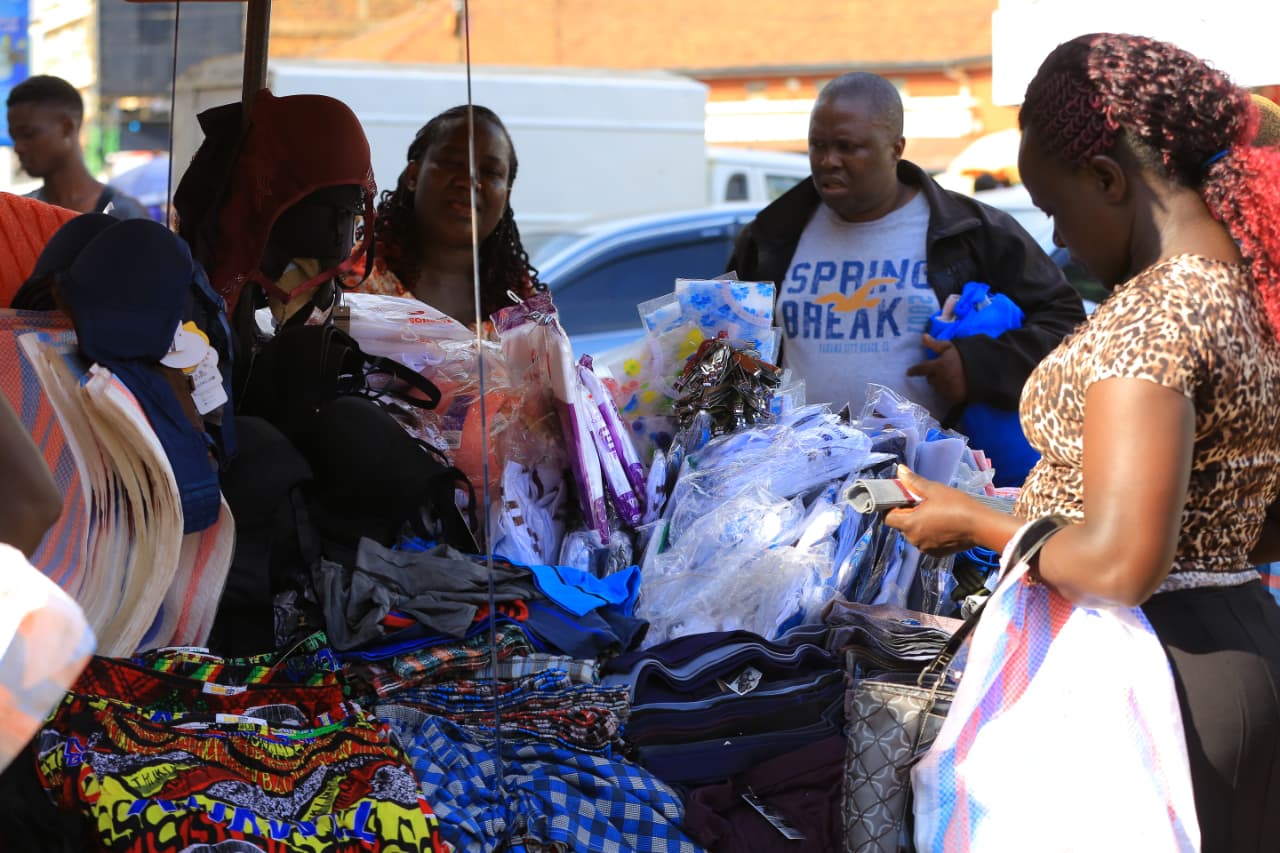
As schools reopen across the country, the familiar bustle of a new academic term has returned with crowded bookshops, busy tailor stalls and long queues.
Beneath the surface of this routine, however lies a growing sense of distress among parents, many of whom say the current economic climate has made preparing children for school more difficult than ever before.
Most parents in Kisii describe a reality marked by shrinking payslips, rising prices and tough financial choices.
While education remains a top priority for most households, the cost of sustaining it is increasingly stretching family budgets to the breaking point.
Some families had since reached a consensus that one spouse returns to the countryside to ease the pain of living together in town.
To others, it has dealt a blow separating couples for good for lack of consensus.
Downtown Kisii, Janet Nyaboke, a mother of three, moves slowly from one uniform store to the other, gingerly comparing prices of uniforms.
“Some t two to three years ago I could buy two uniforms comfortably. Not any more This time, I can only afford one. I’ll have to wash it every evening and hope it lasts the term for my Grade 5 learner,” she said.
Many others like Nyaboke, share similar, some worse frustrations.
For others, the lamentations are about salaries remaining stagnant while statutory deductions, loan repayments, and taxes continue to eat into their monthly earnings.
They said by the time the money reaches their pockets, little is left for school fees, transport, food, and other basic needs.
“I receive my payslip and I don’t feel motivated any more,” says one civil servant who wanted to be referred to as Thomas.
“One works the whole month, but by the time deductions are done, he is left are left juggling debts. School opening just adds pressure.”
Small business owners and casual workers say they are even more vulnerable.
In areas such Masimba and Nyangusu and Keumbu, traders reported reduced sales as parents prioritize essentials.
“People come, ask for prices, then walk away,” notes Peter Ondieki, a stationery vendor at Masimba.
“They want books, but they just don’t have the money.”
Farmers, especially small-scale ones, are also feeling the pinch.
Poor prices for tea, coffee, and bananas—key cash crops in the region—have reduced household incomes.
Samuel Nyaberi, a farmer from Nyamasibi in Masaba South, said he relied on farm earnings to prepare for school opening in the past.
“Nowadays, the returns are low, and inputs are expensive. What you earn cannot match school demands,” he said.
The strain is not limited to parents alone.
At schools, the administrators say delayed fee payments have become more common.
Some headteachers across public primary and secondary schools report that many parents are requesting extended deadlines, installment plans or temporary exemptions.
“We understand their struggles,” said a headteacher from a public secondary school in Kitutu Chache South.
“But schools also depend on fees to run smoothly. We still have to pay support staff, buy learning materials, and maintain facilities.”
Uniform makers and shoe sellers said parents are increasingly opting for cheaper alternatives, sometimes at the expense of quality.
Others are recycling uniforms from older siblings or buying second-hand items to cut costs.
Community leaders and education stakeholders have expressed concern that prolonged financial strain could affect school attendance and performance.
Others warn that if the situation persists, more children—especially from low-income families—may miss school days or drop out altogether.
To cope, some parents are turning to informal solutions.
Many are borrowing from savings groups, mobile loans, or sought help from relatives.
Others are targeting loan sharks, many more cutting back on meals, postponing medical visits, or delaying other household expenses to keep children in school.
“I may not have enough, but my children must learn,” said Grace Moraa.
“Education is the only hope we have for a better future.”
As classrooms refill with students eager to begin the new term for 2026, the resilience of most parents remains evident.
Yet their voices tell a sobering story of determination tested by economic hardship.
For many, the hope is that relief will come through improved economic conditions, supportive policies, and a future where preparing children for school does not feel like an impossible burden.
Until then, parents continue to tighten their belts, count every shilling, and push forward one school term at a time.
Email your news TIPS to Editor@Kahawatungu.com — this is our only official communication channel
