


The Public Procurement Regulatory Authority (PPRA) has been questioned over Sh7 billion worth of emergency tenders issued during the COVID-19 pandemic.
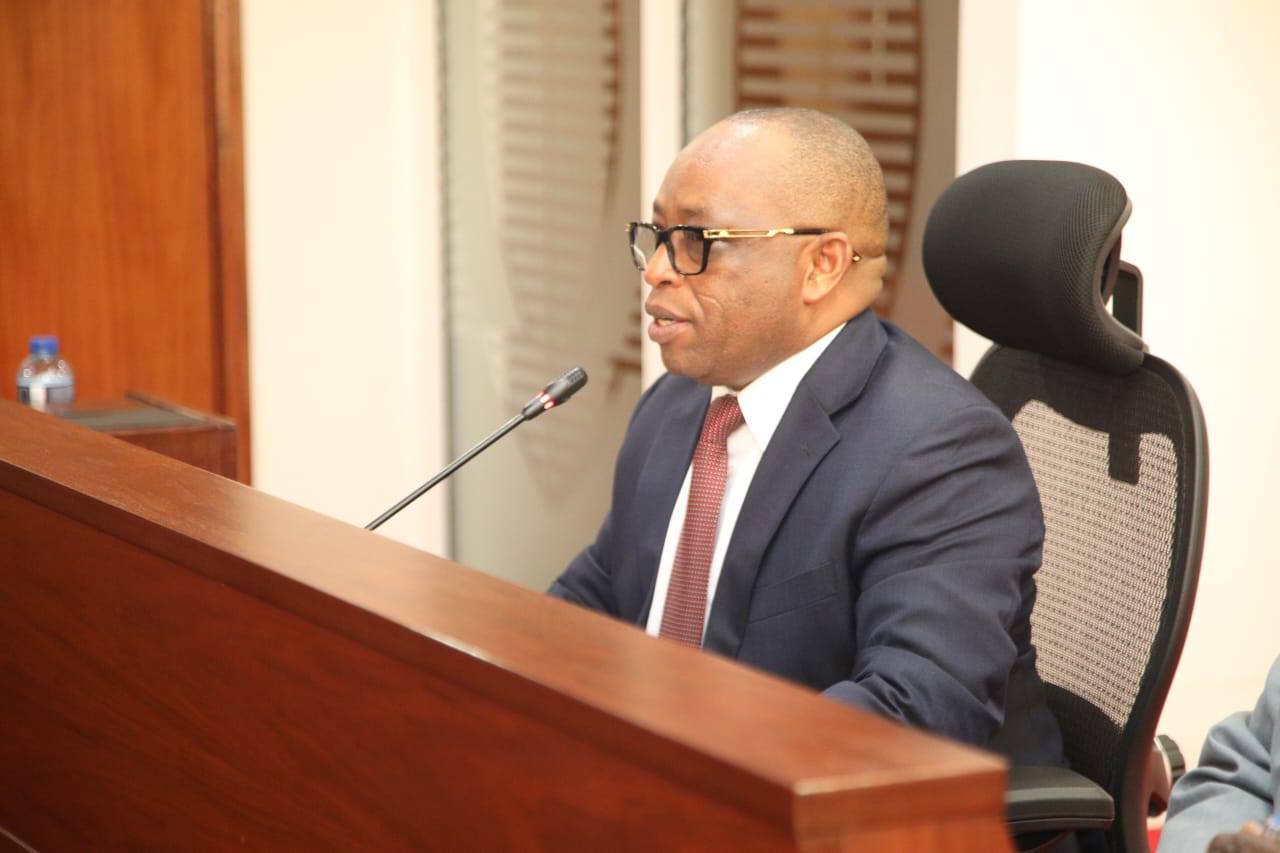
On Thursday, officials from PPRA, led by Director General Patrick Wanjuki, appeared before the National Assembly’s Public Investments Committee on Social Services, Administration and Agriculture (PIC-SSAA), chaired by Navakholo MP Emmanuel Wangwe.
The committee raised concerns about loopholes in procurement laws that allegedly enabled irregular deals, including the Kenya Medical Supplies Authority (KEMSA) scandal.
“We are interested in the list of 141 tenders, which amount to nearly Sh7 billion. You are asking for more time, but this committee will not give you that luxury. As the regulatory authority, you ought to have this information readily available,” Wangwe told the officials.
The law allows direct procurement in emergencies, but MPs argued that the process was abused. Saboti MP Caleb Amisi, the committee’s vice-chair, accused PPRA of failing in its oversight role.
“There is no law without loopholes, but there is always the spirit of the law. This was a global pandemic, and both KEMSA and PPRA should have been prepared. We cannot sit here and allow institutions to exploit loopholes for personal gain,” Amisi said.
Wanjuki admitted the procurement process was flawed and cited challenges such as global shortages and closed supply routes. “This process was not taken correctly, but we must acknowledge that the skies were closed, and those who had imported equipment took advantage of that situation. As a country, we also failed to adequately prepare for the COVID-19 pandemic,” he said.
He further told MPs that PPRA lacked strong enforcement powers. “Currently PPRA is toothless; there is nothing much we can do. However, I urge this committee to add its voice to the amendments before the House on the Public Procurement and Disposal Act. These amendments propose sanctions and penalties against officers who engage in corruption,” he said.
However, members remained dissatisfied. Turkana North MP James Lomenen Nabuin said corruption was deeply rooted in public institutions. “The problem with us Kenyans is that even those tasked with enforcing the law have their own vested interests, making it difficult to weed out corruption,” he noted.
Amisi also pressed PPRA on whether procurement officers involved in corruption faced any form of disciplinary action, such as losing their licences. Wanjuki admitted there was no such mechanism at present but insisted pending legislative amendments would address the gap.
Email your news TIPS to Editor@Kahawatungu.com — this is our only official communication channel
