


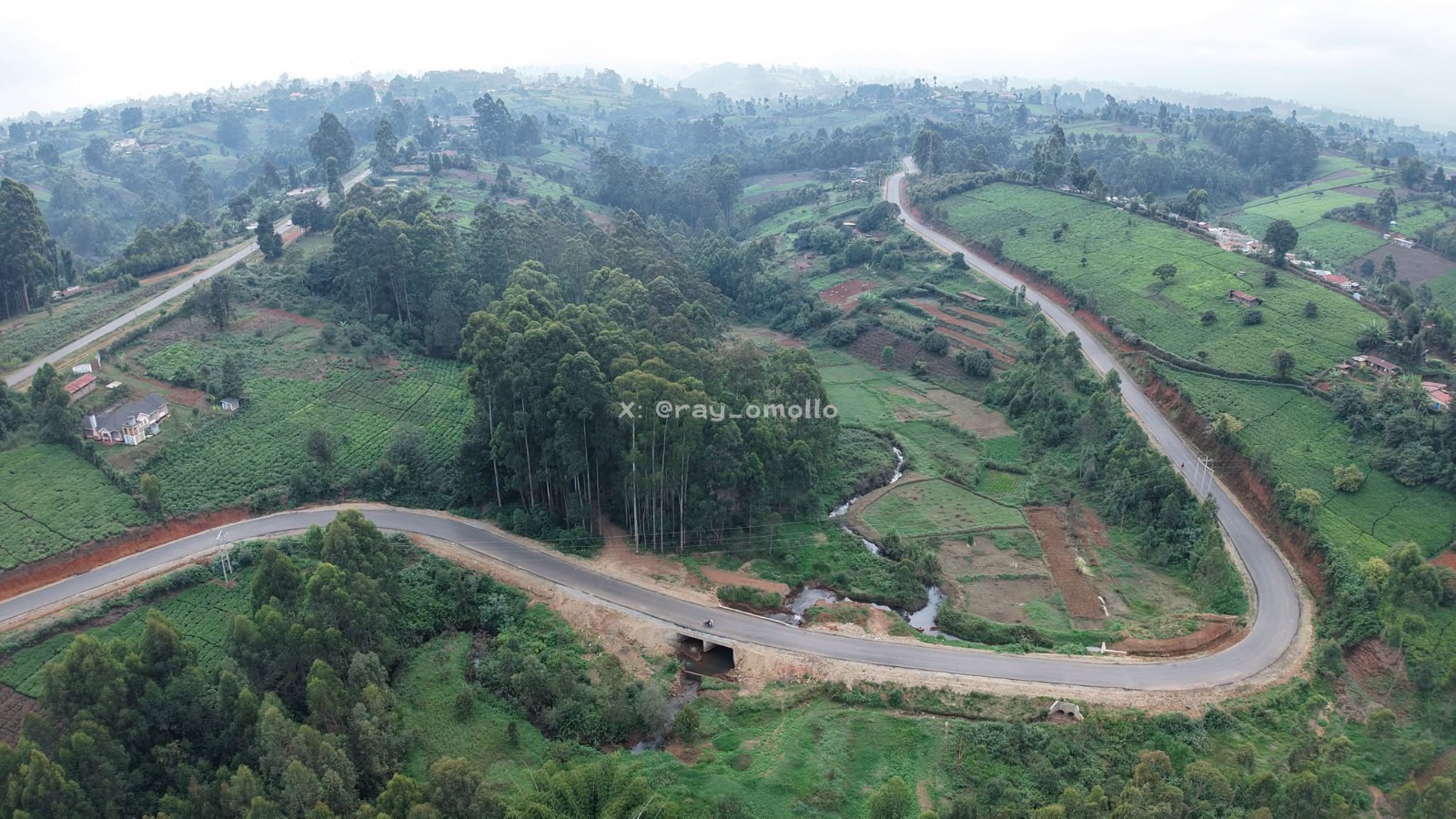
Principal Secretary for the State Department for Internal Security and National Administration Raymond Omollo has issued an update on the ongoing construction of the Mau Mau Road Lot 2 project, which is expected to transform connectivity and economic activity across parts of Kiambu, Murang’a and Nyeri counties.
The 154-kilometre project, being implemented by the Kenya National Highways Authority (KeNHA), is upgrading the historic corridor to heavy-duty bitumen standards, opening up communities along the Aberdare foothills while preserving the historical significance of routes associated with the Mau Mau liberation struggle.
Omollo said construction was progressing well, with significant sections of the road having reached advanced stages of construction.
“Construction is progressing well, with a combined 38 kilometres across the Ichichi, Kiruri, Wanjerere and Mioro sections at the top upgrade layer. Works are now advancing to the cement-stabilised gravel sub-base, followed by graded crushed stone before the final Asphalt Concrete (AC) surfacing,” Omollo said.
The road begins at Mairi near the Kiambu-Murang’a border and passes through Kinyona, Karinga and Mununga before extending northwards through Ichichi, Thuthu, Wanjerere, Kagongo, Mioro and Kiamuturi before terminating at Kairo on the Nyeri County border.
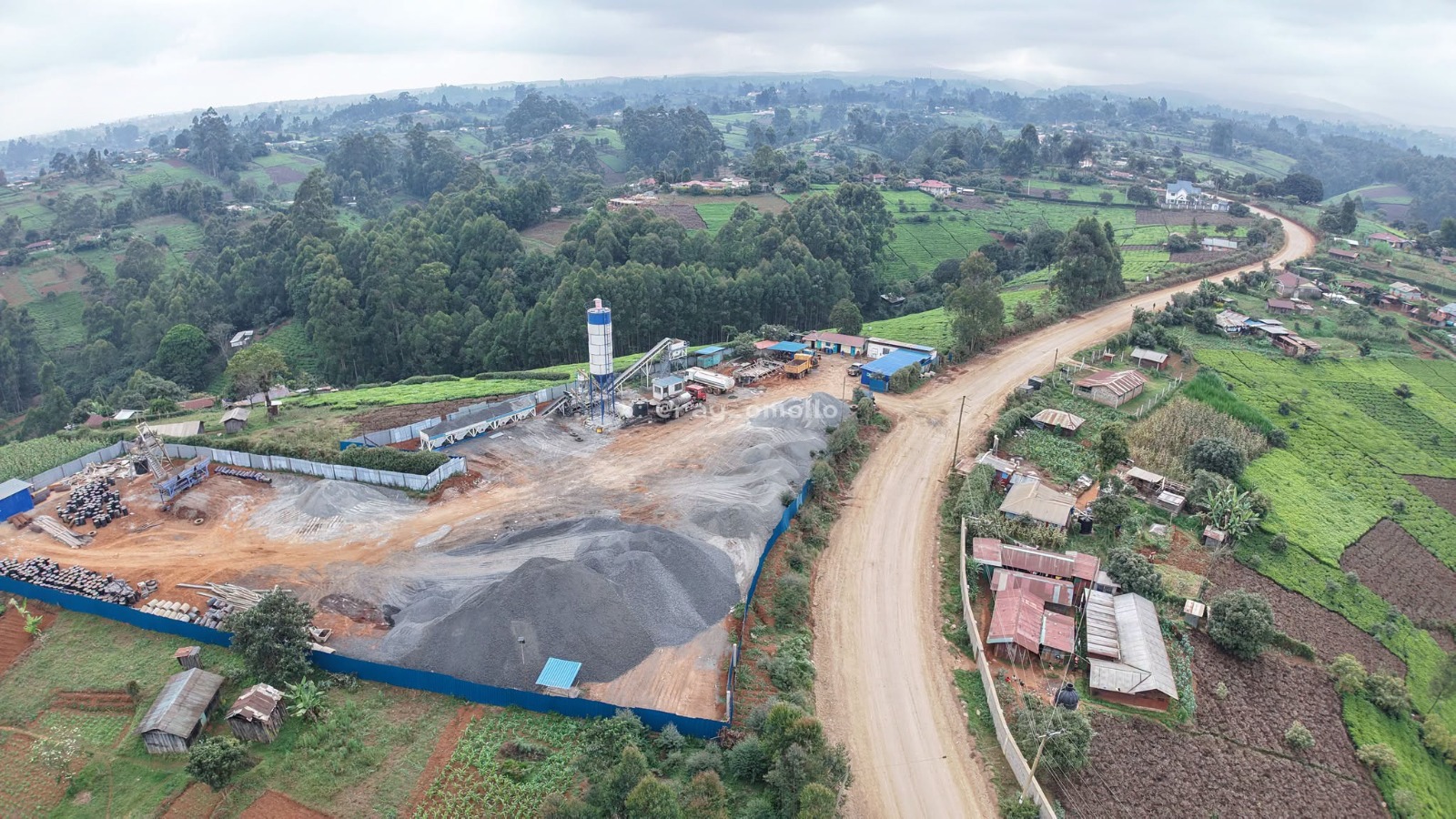
The upgraded corridor also provides a strategic inter-county connection through the Kinyona-Gatare-Njabini road, improving transport links between Murang’a and Nyandarua counties.
The project is expected to unlock the economic potential of the region, particularly in agriculture, by improving access to markets for farmers and businesses.
The area is one of Kenya’s major tea-producing regions, and improved road connectivity is expected to ease the transportation of green leaf to Kenya Tea Development Agency (KTDA) factories, including Mununga and Ikumbi.
The improved road is also expected to benefit dairy and horticultural farmers by providing faster and safer access to the Thika-Kenol-Marua Highway and other major markets.
Better connectivity could help reduce transportation costs and post-harvest losses while supporting trade, increasing household incomes and attracting investment into the region.
Given the rugged terrain and high rainfall experienced along the Aberdare slopes, the project incorporates extensive drainage infrastructure to protect the road and surrounding communities from flooding, erosion and landslides.
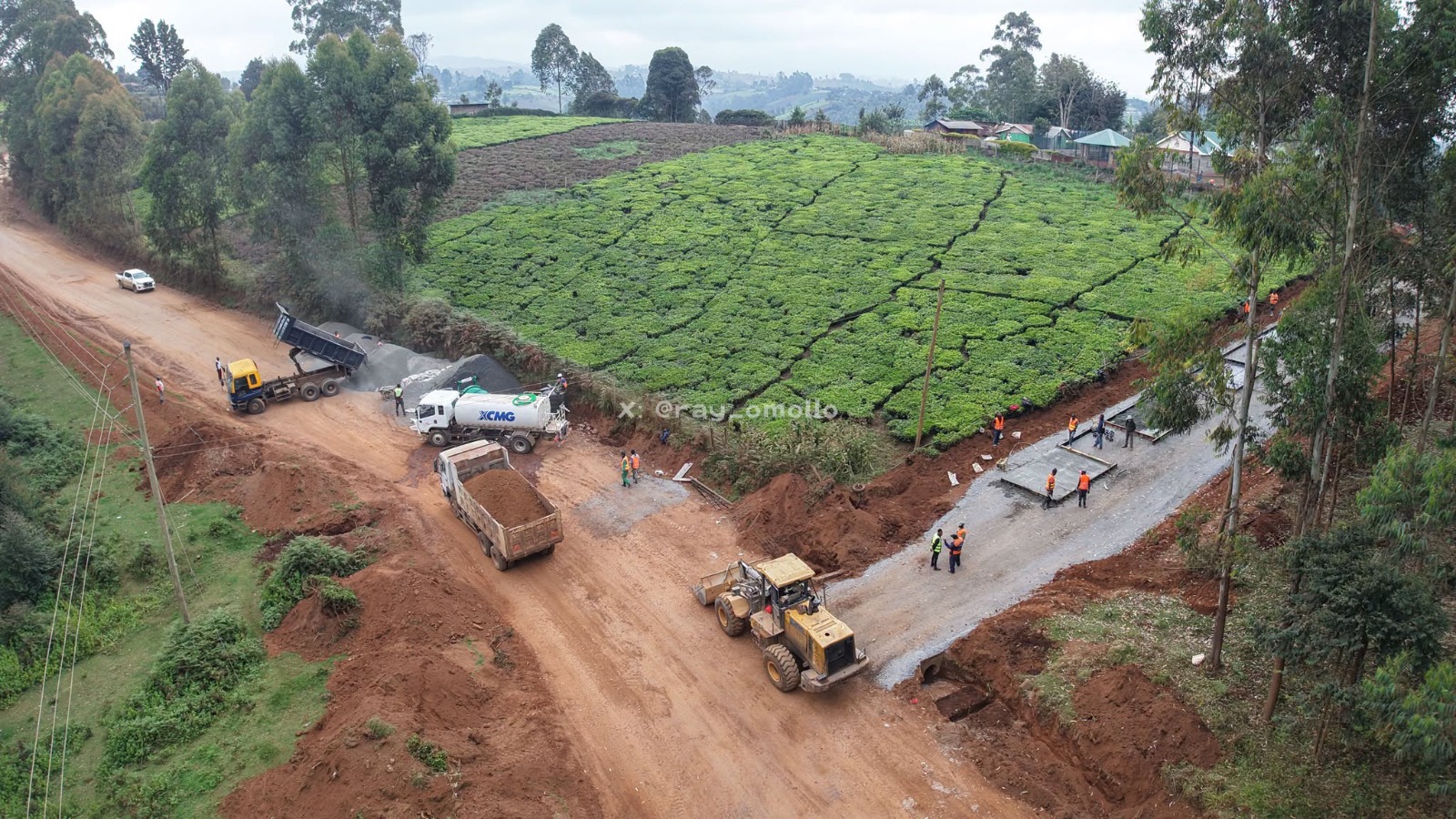
The drainage works include reinforced box culverts, pipe culverts and engineered roadside drainage systems designed to improve the road’s resilience and ensure all-weather accessibility.
Omollo also linked the project to improved public safety and security, noting that better road infrastructure would enhance access to remote communities and improve the movement of security and emergency response teams.
“The project is also strengthening security and public safety. Better road access enhances emergency response, supports more effective security patrols and brings remote communities closer to essential government services,” he said.
He added that the State Department for Internal Security and National Administration was working with infrastructure agencies to promote road safety awareness and coordinate security interventions along the corridor.

Email your news TIPS to Editor@Kahawatungu.com — this is our only official communication channel
