


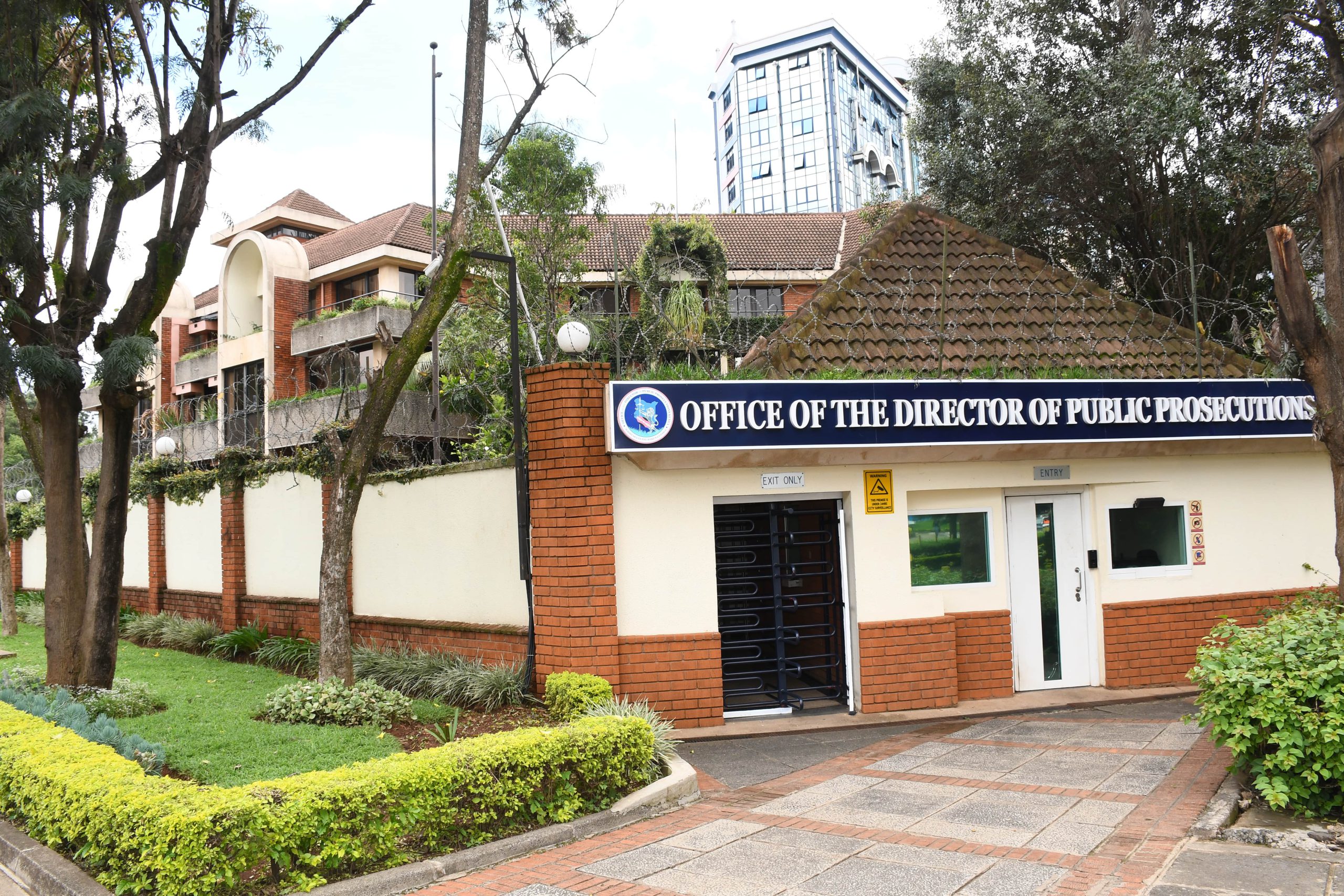
A Senate watchdog committee has summoned Director of Public Prosecutions (DPP) Renson Ingonga to explain why 18 criminal cases linked to county governments were withdrawn, allowing suspects to walk free.
The County Public Accounts Committee (CPAC) said it was concerned that billions of shillings in taxpayers’ money had been lost, yet no one was held accountable. The cases involved senior officials in county executives and assemblies.
The decision to summon the DPP came after CPAC met the leadership of the Ethics and Anti-Corruption Commission (EACC) to review the status of cases the Senate has referred to the agency since 2013.
EACC Chief Executive Officer Abdi Mohamed told senators that the cases were withdrawn by the DPP without consultation or explanation.
“While we are not questioning the withdrawals, it is our humble plea that as investigators, they should be courteous and inform us when making such decisions,” Mr Mohamed said.
According to a report submitted to CPAC, out of the 18 withdrawn cases, 17 were dropped in court by the DPP, while one consent was issued and later withdrawn. Isiolo County had the highest number at three, while Makueni, Tharaka Nithi, Garissa, Turkana, Nakuru, Nyeri, Embu, Kericho, Nyamira, Kitui, Taita Taveta, Kwale, Meru, and Kakamega each had one case withdrawn.
Senator Okong’o Omogeni challenged the EACC to explain whether Kenya faces a deeper problem with prosecutions.
“There is a problem in the prosecution and we need to admit. The solution does not lie in sweeping the problems under the carpet. There is a clear disconnect between the office of the DPP and the EACC,” Omogeni said.
But Mr Mohamed stressed that the EACC has no power to control prosecutorial decisions.
“The Constitution has given the DPP the power to withdraw criminal cases and there is nothing we can do about it. We cannot force a reluctant prosecutor,” he explained.
He further revealed that the agency receives up to 3,000 complaints daily from Parliament, the Auditor-General, and the public. However, it only has 200 investigators across the country, which limits its ability to handle all cases.
To cope, the EACC prioritises cases based on public interest, value for money, and the prominence of the individuals involved.
EACC Chairperson David Oginde told senators that the law needs to be reviewed to allow the commission greater powers in prosecuting corruption cases.
Email your news TIPS to Editor@Kahawatungu.com — this is our only official communication channel
