


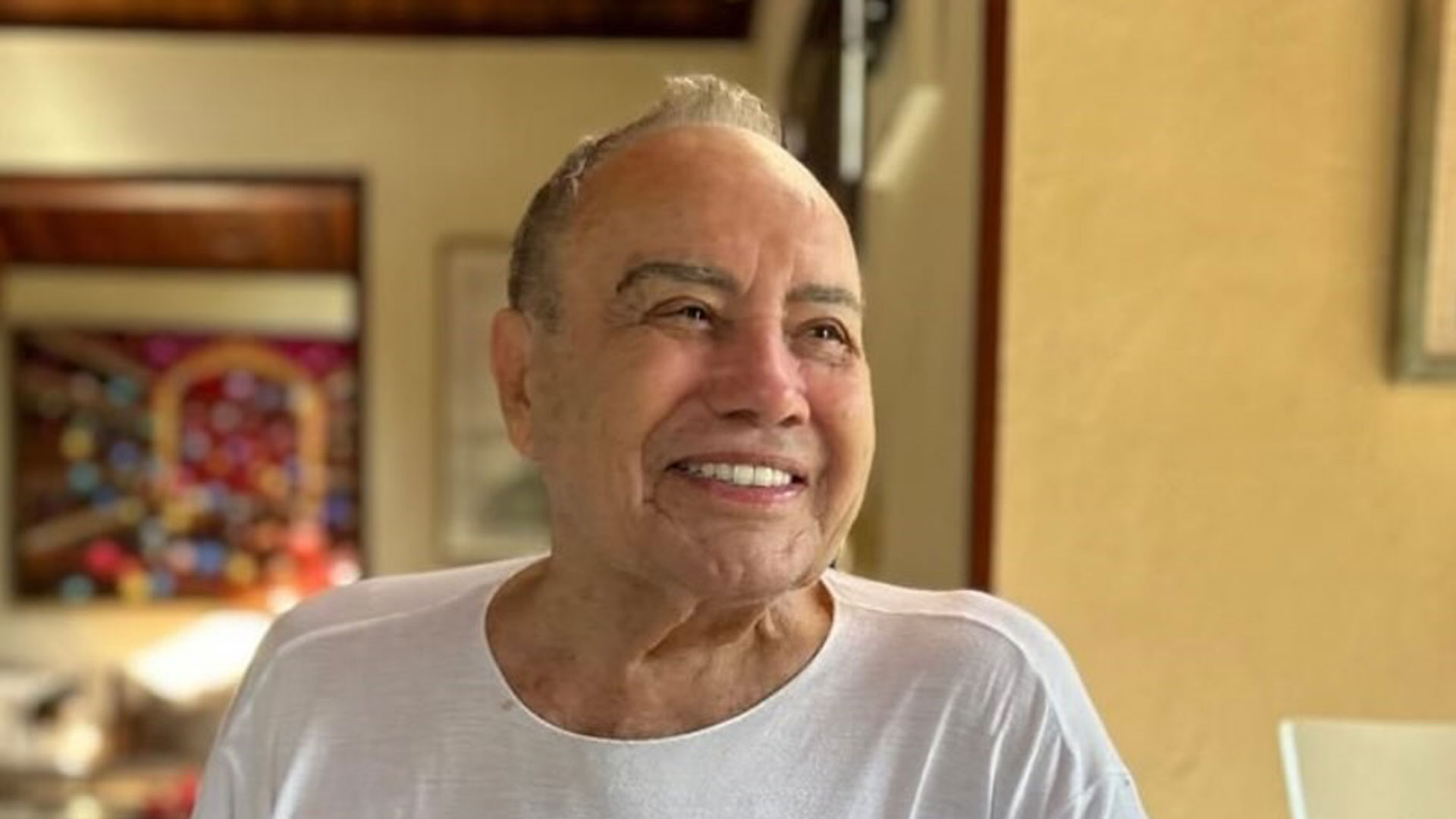
Stênio Garcia Faro is a renowned Brazilian actor born on April 28, 1932, in Mimoso do Sul, Espírito Santo, Brazil.
He grew up in a modest family environment, experiencing poverty alongside his siblings during his early years in the rural municipality.
Garcia pursued his passion for the performing arts by graduating from the Conservatório Nacional de Teatro in Rio de Janeiro in 1958, marking the beginning of a prolific career in theater, television, and film that has spanned over six decades.
Throughout his life, Garcia has been married three times: first to actress Cleyde Yáconis from around 1955 to 1968, then to Clarice Piovesan from about 1968 until their divorce in 1983, with whom he shares two daughters named Cássia and Gaya, and currently to Marilene Saade since 1998.
Siblings
Stênio has one sibling, his brother Alberto Faro Neto, who was described by the actor as his greatest fan.
The brothers shared a close bond, with Garcia recounting emotional reunions with Alberto’s family in interviews, highlighting the supportive role his brother played in his life.
Career
Garcia’s career began in theater after his graduation, where he earned a scholarship to stage at the Teatro Cacilda Becker and joined the Teatro Brasileiro de Comédia in 1960.
He made his television debut in 1961 with the series O Vigilante Rodoviário and gained widespread recognition in 1968 for his role as Aimbé in the miniseries A Muralha.
Also Read: Marcello Antony Siblings: Getting to Know Maurício and Márcio
Over the years, he balanced stage work with notable directors like Ziembinski, Ademar Guerra, Flávio Rangel, and Antunes Filho, while excelling in telenovelas such as Gabriela in 1975, Carga Pesada from 1979 to 1981 and revived in 2003 to 2007 where he played the memorable truck driver Bino, and O Rei do Gado in 1996.
His portrayal of Uncle Ali in the hit telenovela O Clone in 2001 further solidified his status, followed by roles like Jacó in O Profeta in 2006, Barretão in Duas Caras in 2007, Laudelino in A Vida da Gente in 2011, Delegado Ricardo in Meu Pedacinho de Chão in 2014, and Jurandir Sampaio in Filhas de Eva in 2021.
In cinema, Garcia started with Vereda da Salvação in 1964, directed by Anselmo Duarte, and delivered acclaimed performances in films like A Guerra dos Pelados in 1970, Leila Diniz in 1987, Eu Tu Eles in 2000 where he played Zé, Casa de Areia in 2005, and Perlimps in 2022.
Despite his departure from Globo in 2020 amid controversies with network executives, he has continued to contribute to Brazilian arts, blending dramatic intensity with comedic flair across mediums.
Accolades
In 1969, Garcia won the Troféu Imprensa for best actor for his work in A Muralha, followed by the Prêmio Molière for best actor in the play As Aventuras de Peer Gynt in 1971.
He earned Prêmio APCA awards for best actor in television for Carga Pesada in 1981 and Bandidos da Falange in 1984, as well as for best actor in the film Eu Tu Eles in 2001.
Garcia also secured the Prêmio Guarani for best actor for Eu Tu Eles in 2001, the Prêmio Qualidade Brasil for best supporting actor in television for O Clone in 2002, and the Prêmio Contigo for best supporting actor for O Rei do Gado in 1997.
Additional honors include the Guarnicê Award for best supporting actor for Mulher Oceano in 2021, along with nominations such as the Grande Otelo for best actor for Eu Tu Eles in 2001, the Troféu Imprensa for best actor for O Dono do Mundo in 1992, and the Prêmio Extra de Televisão for best supporting actor for Duas Caras in 2008.
Email your news TIPS to Editor@Kahawatungu.com — this is our only official communication channel
