


The evolution of hair transplants from the 1990s to today reflects remarkable progress in hair restoration techniques. Early methods like punch grafts paved the way for advanced follicular unit transplantation (FUT) and extraction (FUE) procedures. Modern innovations, including robotic assistance and AI-driven precision, now deliver natural-looking results with minimal invasiveness. This journey highlights how far hair transplant technology has come, offering effective solutions tailored to individual needs while prioritizing patient comfort and aesthetic outcomes.
Table of Contents
- From Punch Grafts to Precision: Early Innovations in Hair Restoration
- The Rise of Follicular Unit Transplantation (FUT) Techniques in the 90s
- Modern Advancements: How Follicular Unit Extraction (FUE) Changed the Game
- Final Thoughts on the Evolution of Hair Transplant Techniques
Hair loss has been a concern for generations, but the solutions available today are far removed from the rudimentary techniques of the past. In the 1990s, hair transplants were often associated with unnatural results and significant discomfort. However, advancements in technology have revolutionized this field, offering minimally invasive procedures that prioritize both aesthetics and patient experience.
From follicular unit transplantation (FUT) to cutting-edge robotic systems, the evolution of hair restoration has reshaped how individuals approach hair loss solutions. As highlighted by Canadian Hair Transplant, Techniques like follicular unit extraction (FUE) and AI-driven precision have set new standards in the industry.
This progression not only reflects scientific ingenuity but also underscores the growing emphasis on delivering natural, seamless outcomes tailored to individual needs. Let’s delve into how far hair transplant methods have come and what the future may hold.
From Punch Grafts to Precision: Early Innovations in Hair Restoration
The journey of hair transplant evolution began with techniques that were groundbreaking for their time but often left much to be desired in terms of results. In the mid-20th century, punch grafts emerged as one of the earliest methods. This procedure involved removing circular sections of hair-bearing skin and implanting them into balding areas.
While revolutionary at the time, punch grafts frequently resulted in an unnatural appearance, often referred to as a “doll’s head” look due to the large, noticeable clusters of hair.
Challenges of Early Techniques
Early hair restoration methods faced several limitations:
- Limited understanding of natural hair growth patterns led to uneven outcomes.
- Procedures were invasive, causing significant discomfort and prolonged recovery times.
- The focus was primarily on coverage rather than achieving a natural aesthetic.
Despite these challenges, punch grafts laid the foundation for future advancements. Researchers and practitioners began exploring ways to refine these techniques, emphasizing smaller grafts and more precise placement. This shift marked the beginning of a transformation in hair restoration, paving the way for the sophisticated methods we see today.
As demand for more natural-looking results grew, so did the need for innovation. The 1990s became a turning point, introducing techniques like follicular unit transplantation (FUT), which emphasized precision and better alignment with natural hairline design. These developments would eventually redefine the standards of hair restoration worldwide.
The Rise of Follicular Unit Transplantation (FUT) Techniques in the 90s
The 1990s marked a pivotal era in the evolution of hair transplants, with the introduction of follicular unit transplantation (FUT). This technique represented a significant leap forward, addressing many of the shortcomings of earlier methods. Unlike punch grafts, which often resulted in an unnatural appearance, FUT focused on harvesting and transplanting individual follicular units – small groups of 1 to 4 hairs that naturally grow together.
How FUT Changed the Game
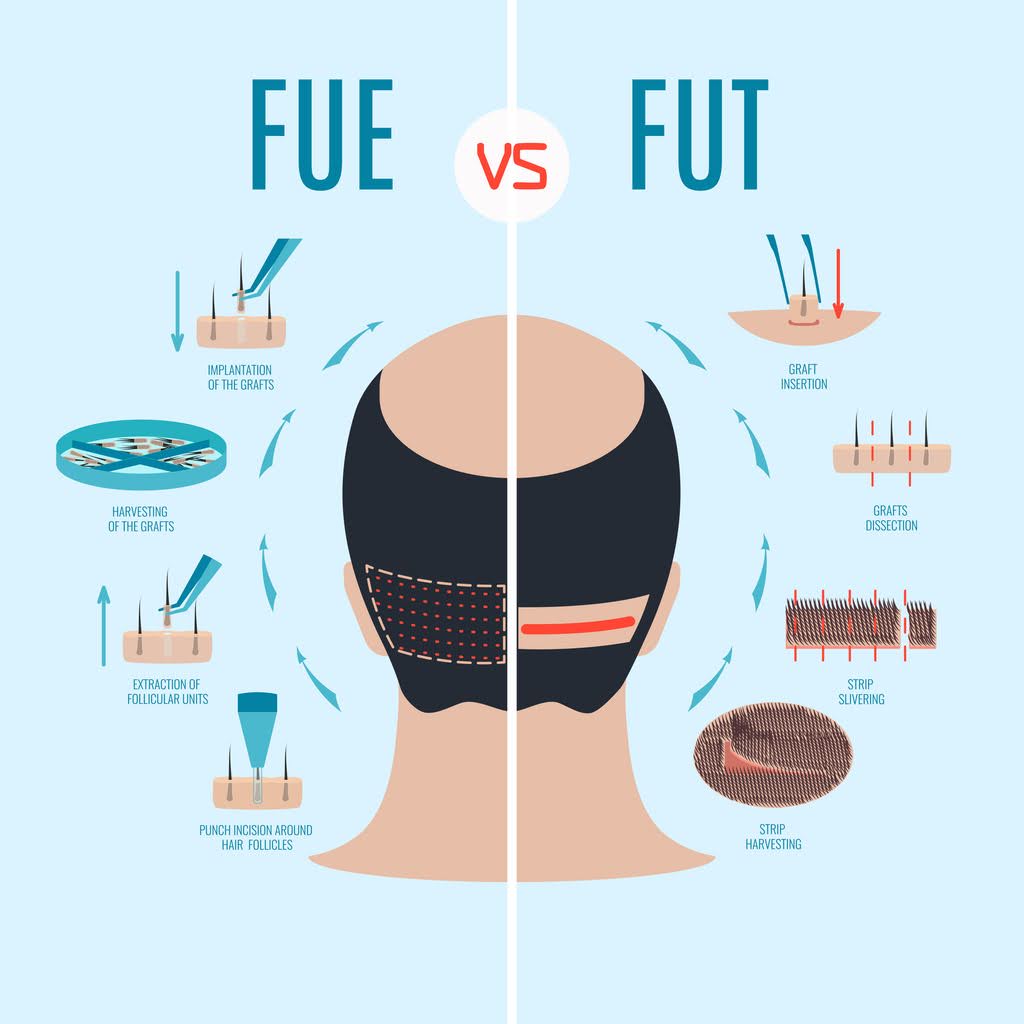
FUT quickly gained traction due to its ability to deliver more natural-looking outcomes. The procedure involved removing a thin strip of hair-bearing skin from the donor area, typically at the back of the scalp, and dissecting it into individual follicular units under a microscope. These units were then meticulously implanted into the recipient area, following the natural direction and angle of hair growth.
Key advantages of FUT included:
- Improved density and coverage compared to earlier techniques.
- Greater attention to detail, mimicking natural hair patterns.
- Enhanced patient satisfaction due to less visible scarring in the recipient area.
While FUT was a major advancement, it wasn’t without its drawbacks. The procedure required suturing the donor site, which could leave a linear scar, and recovery times were still relatively lengthy. Despite these limitations, FUT set the stage for even more refined techniques in the years to come.
By prioritizing precision and natural aesthetics, FUT not only addressed the cosmetic concerns of patients but also established a framework for future innovations. Its influence can still be seen today in modern hair restoration practices, where the emphasis remains on achieving results that are both effective and undetectable.
Modern Advancements: How Follicular Unit Extraction (FUE) Changed the Game
The introduction of follicular unit extraction (FUE) in the early 2000s marked another transformative chapter in the evolution of hair transplants. Unlike FUT, which involved removing a strip of skin, FUE revolutionized the process by extracting individual follicular units directly from the donor area without the need for suturing.
This shift not only minimized scarring but also significantly reduced recovery times, making it an appealing option for individuals seeking discretion and convenience.
Key Features of FUE
FUE quickly gained popularity due to its patient-friendly approach and improved outcomes. The procedure involves using a small punch tool to extract follicular units one at a time, which are then transplanted into the thinning or balding areas. This method allows for greater flexibility in designing natural-looking hairlines and offers several advantages over its predecessor:
- Minimal Scarring: FUE leaves tiny, dot-like scars that are nearly invisible, even with short hairstyles.
- Shorter Recovery: Patients experience less post-operative discomfort and can return to daily activities sooner.
- Versatility: Donor hair can be harvested from various parts of the body, such as the beard or chest, expanding options for those with limited scalp donor areas.
Why FUE Became the Gold Standard
The rise of FUE represented more than just a technical improvement; it reflected a broader shift toward patient-centric care. Individuals no longer had to compromise between effective hair restoration and maintaining a discreet appearance. For many, this technique offered a solution that aligned with their lifestyle and aesthetic goals.
While FUE addressed many of the limitations of FUT, it also introduced new challenges, such as the need for advanced skill and precision during extraction. However, ongoing advancements in tools and techniques have continued to refine FUE, solidifying its position as a cornerstone of modern hair restoration practices.
As technology progressed, FUE laid the groundwork for even more innovative approaches, including the integration of robotics and artificial intelligence. These developments would further enhance the precision and accessibility of hair transplants, securing that patients could achieve results that were both effective and natural-looking.
Final Thoughts on the Evolution of Hair Transplant Techniques
The evolution of hair transplants from the rudimentary punch grafts of the past to the advanced follicular unit extraction (FUE) and robotic-assisted methods of today reflects a remarkable journey of innovation. Each advancement has addressed previous limitations, prioritizing natural results, patient comfort, and minimally invasive procedures.
With ongoing research and development, the trajectory of hair transplant evolution promises even more groundbreaking possibilities, ensuring that this field remains at the forefront of cosmetic and medical advancements.
Email your news TIPS to Editor@Kahawatungu.com — this is our only official communication channel
