


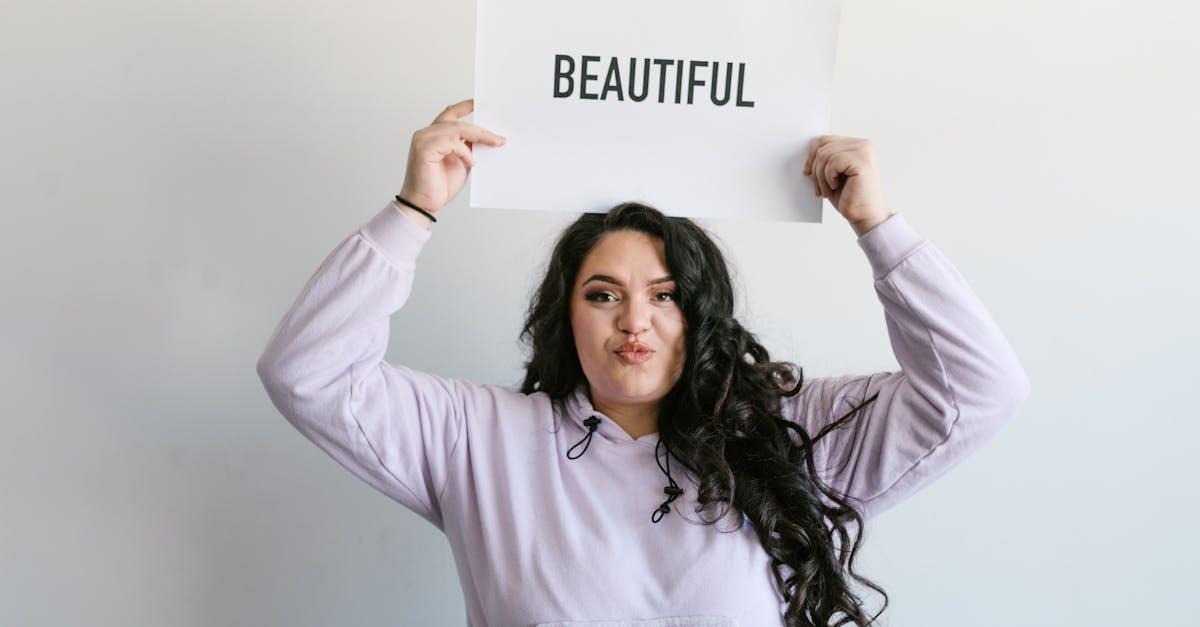
In recent years, we’ve witnessed a significant transformation in the beauty industry. This shift is marked by an increasing focus on inclusivity and accessibility in self-care products. No longer are beauty standards monolithic or dictated by a narrow set of ideals, instead, they reflect a vibrant array of identities and needs.
Brands like TAD Beauty exemplify this evolution, creating products that emphasize comfort, accessibility, and representation in everyday beauty routines. According to a report from McKinsey & Company, the global beauty industry is projected to reach $800 billion by 2025.
This growth is fueled not only by innovation but also by a collective demand for products that cater to diverse experiences. In this text, we will explore the elements driving this shift, the role of technology, and the cultural narratives shaping our evolving beauty standards, showcasing how we’re moving towards a more inclusive future in self-care.
Understanding the Beauty Shift
As we investigate the beauty shift, it’s important to recognize that inclusivity is not just a trend, but a fundamental change in how we perceive beauty. Traditional beauty standards have often excluded various demographics, particularly those related to race, gender, age, and body types. Today, brands are embracing a wider array of definitions of beauty. This shift is characterized by the introduction of products tailored for different skin tones, body types, and personal identities.
For example, Fenty Beauty’s launch in 2017 by Rihanna was a groundbreaking move that showcased how a well-rounded color palette could address the needs of consumers previously left behind. Brands began to realize that meeting the unique needs of diverse communities is not only morally right but also economically beneficial. This evolving landscape invites discussions about validity, representation, and the ongoing struggle for equality across the industry.
The Role of Technology in Beauty Innovation
Innovation in technology is at the forefront of this beauty revolution. With the advent of AI and augmented reality, the way we experience beauty products is changing dramatically. Virtual try-on tools and personalized skin assessments powered by AI allow consumers to find products specifically suited for their unique skin needs.
Brands like L’Oréal and Sephora are leveraging these technologies to enhance user experience, making the process more engaging and inclusive. Besides, beauty apps that analyze skin conditions and recommend customized regimens showcase how tech can bridge gaps in access and understanding. As technology continues to evolve, we anticipate that beauty innovations will increasingly cater to individual needs, further promoting inclusivity and personalization.
Inclusivity in Self-Care Products
Inclusivity in self-care products goes beyond just color ranges or product lines: it’s about addressing varied skin types, hair textures, and wellness needs. For instance, brands like Dove are not only focusing on diverse representation in their advertising but are also developing products that cater to different skin tones and types. The rise of clean beauty is another aspect of inclusivity we are witnessing, as brands increasingly prioritize ingredients that are safe for all skin types and those with sensitive skin.
Also, initiatives like supporting body positivity movements and promoting mental health awareness within the beauty space have become integral to how brands market themselves. These shifts indicate a growing realization that beauty is inherently personal and should celebrate our individual differences rather than conform to a singular ideal.
Cultural Influences on Beauty Standards
Cultural narratives play a significant role in shaping our perceptions of beauty. Historically, beauty standards have been influenced by dominant cultures, making it imperative to embrace diverse influences. The global interconnectedness brought on by technology enables us to explore beauty beyond our own backgrounds.
We see this cultural melding in the rise of K-beauty products in Western markets or the increasing popularity of Afrocentric beauty practices. By valuing different cultural aesthetics, we enrich the beauty conversation and foster an inclusive market that recognizes and honors the unique contributions of various cultures. Brands are beginning to collaborate with cultural influencers to create products that resonate on a deeper level, creating authentic connections with consumers.
The Impact of Social Media and Community Engagement
Social media has transformed how beauty brands communicate with consumers. Platforms like Instagram and TikTok have become stages for grassroots movements and authentic storytelling, allowing individuals to share their beauty experiences and celebrate inclusivity. Influencer culture has amplified diverse voices, presenting realistic beauty standards and showcasing products tailored for all identities.
This democratization of beauty has empowered consumers to hold brands accountable about inclusivity practices. Campaigns that feature real people instead of professional models are reshaping our expectations of beauty marketing. The interactions fostered through social media also create community engagement, where shared experiences and support systems flourish, reinforcing the notion that beauty is inclusive and accessible.
Future Trends in Inclusive Beauty Innovations
Looking ahead, we can anticipate several trends that will continue to push inclusivity in beauty innovation. Personalization will only deepen as brands harness more sophisticated technologies to tailor products to consumers’ individual needs.
Another trend is the rise of sustainable beauty, as consumers increasingly prioritize products made with ethical and eco-friendly ingredients. Inclusivity will also mean expanding conversations around aging and wellness, so acknowledging the beauty inherent in every stage of life.
The industry is likely to see further advocacy for representation and equity, leading to more comprehensive industry standards that prioritize all individuals. As we continue to engage with beauty on multiple levels, our commitment to inclusivity will shape the future landscape of self-care.
Email your news TIPS to Editor@Kahawatungu.com — this is our only official communication channel
