


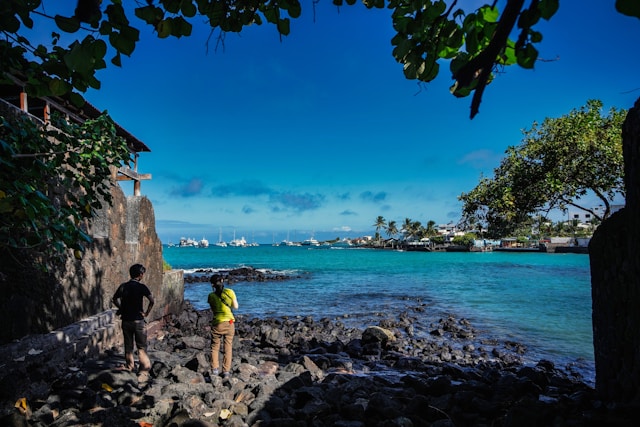
The Galapagos Islands represent one of Earth’s most extraordinary destinations, where fearless wildlife and pristine landscapes create an experience unlike any other. Planning a journey to this volcanic archipelago requires careful consideration of timing, logistics, and priorities to make the most of your adventure. Whether you’re a nature enthusiast, wildlife photographer, or simply seeking an unforgettable vacation, proper preparation will ensure your Galapagos experience exceeds expectations.
Choosing the Best Time to Visit
The Galapagos Islands offer year-round appeal, but understanding the seasonal variations helps you align your visit with your interests. The warm season from December to May brings calmer seas, occasional tropical showers, and lush green landscapes, making it ideal for snorkeling in warmer waters and observing nesting seabirds.
The cool season from June to November features the famous garúa mist, nutrient-rich waters that attract marine life, and more active wildlife behavior. During these months, you’ll witness incredible underwater biodiversity, though the ocean temperature drops and surface conditions can be choppier. Many travelers find that shoulder months like April, May, September, and October offer the best balance of weather and wildlife activity.
Deciding Between Land-Based and Cruise Options
One of the most significant decisions you’ll make involves choosing between a land-based itinerary and a cruise experience. Cruises allow you to cover more territory, waking up at different islands and maximizing your wildlife encounters without constant packing and unpacking. These expeditions range from budget-friendly options to luxury vessels, typically lasting four to eight days.
Land-based trips offer more flexibility and often come with a lower price tag. Staying in hotels on Santa Cruz, San Cristóbal, or Isabela gives you the freedom to explore at your own pace and enjoy local restaurants and culture. You’ll take day trips to Galapagos Islands and its sites, returning to your comfortable base each evening. This option works particularly well for travelers prone to seasickness or those wanting to immerse themselves in island communities.
Navigating Permits and Regulations
The Galapagos National Park enforces strict regulations to protect this UNESCO World Heritage Site, and understanding these rules is essential for responsible travel. Upon arrival, you’ll pay a park entrance fee of $100 for adults, which directly funds conservation efforts. Keep your receipt, as you may need to show it at various visitor sites.
All visits to designated sites must be accompanied by certified naturalist guides, whether you’re on a cruise or taking day tours. These knowledgeable professionals ensure visitor safety while protecting the delicate ecosystem. Remember that touching wildlife, removing natural objects, and straying from marked trails are prohibited and can result in significant fines.
Budgeting for Your Galapagos Adventure
Trips like these require a substantial financial investment, but understanding cost factors helps you plan accordingly. Flights from mainland Ecuador to the islands typically cost between $300 and $500 round trip, and prices increase during peak seasons. Budget an additional $100 for the park entrance fee and $20 for the transit control card.
Cruise prices vary dramatically based on vessel class, itinerary length, and departure timing. Budget cruises start around $200 per person per day, mid-range options run $300-$500 daily, and luxury expeditions can exceed $800 per day. Land-based travelers can expect to spend $100-$200 daily on accommodations, meals, and tours, offering more control over expenses.
Packing Smart for Island Conditions
The Galapagos climate demands versatile packing that accounts for sun exposure, water activities, and variable temperatures. Prioritize reef-safe sunscreen to protect both your skin and the marine environment, as traditional sunscreens harm coral reefs and other marine life.
Bring a quality wetsuit or plan to rent one locally, as water temperatures range from 65°F to 80°F depending on the season. Quick-dry clothing, waterproof bags for electronics, comfortable walking shoes with good grip, and a wide-brimmed hat round out your essentials. Don’t forget your camera with extra memory cards and batteries, as the photographic opportunities are endless.
Making the Most of Your Wildlife Encounters
The Galapagos experience centers on intimate wildlife encounters found nowhere else on Earth. Approach each interaction with patience and respect, allowing animals to dictate the distance and duration. Blue-footed boobies, marine iguanas, giant tortoises, and sea lions show remarkable indifference to human presence, creating magical moments.
Snorkeling often provides the most memorable experiences, with opportunities to swim alongside sea turtles, rays, reef sharks, and playful sea lions. Early morning and late afternoon typically offer the best wildlife activity and photographic lighting. Listen carefully to your guide’s insights about animal behavior and ecological relationships to deepen your appreciation of this living laboratory of evolution.
Conclusion
Planning a Galapagos adventure requires balancing practical considerations with your personal travel style and interests. By carefully considering timing, accommodation preferences, budget constraints, and packing needs, you’ll position yourself for an extraordinary journey. The effort invested in thoughtful preparation pays dividends in experiences that will inspire and amaze you for years to come, making your Galapagos trip truly unforgettable.

Email your news TIPS to Editor@Kahawatungu.com — this is our only official communication channel
